Introduction
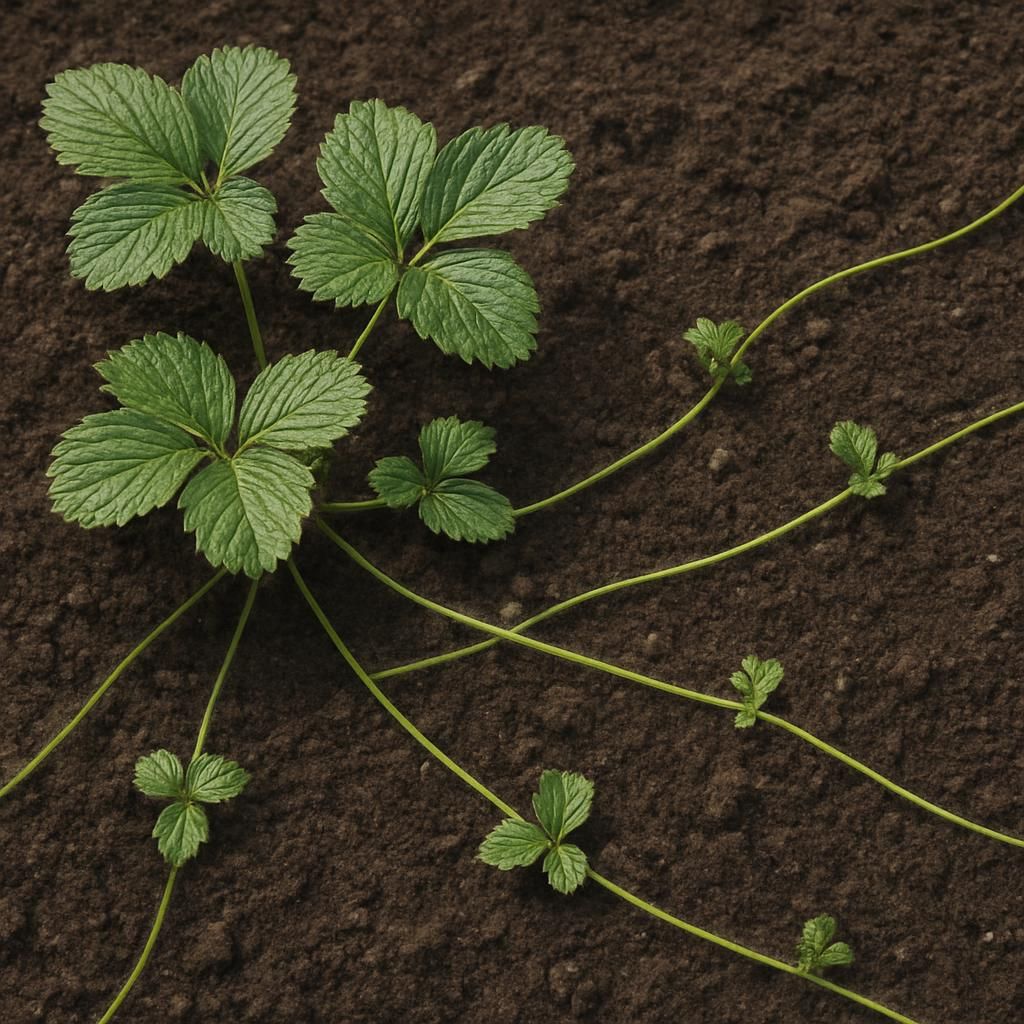
Many gardeners are surprised when their Strawberry plants suddenly send out long, trailing stems often called "feelers." These structures are actually runners, or stolons, a natural part of the plant's reproductive strategy. Instead of focusing energy solely on fruit production, the plant uses runners to spread and create new daughter plants. Understanding this process helps gardeners decide whether to encourage propagation, redirect energy to berries, or maintain plant health in home gardens and small farms.
Runners typically appear as thin, leafless stems that root at nodes when they touch soil. This behavior is common across varieties including Albion Strawberry and Chandler Strawberry. While it may look unusual at first, it signals the plant is responding to its environment in a healthy, adaptive way.
Common Causes
Strawberry runners form primarily for vegetative reproduction. The plant produces these stems when conditions favor spreading rather than fruiting. Key triggers include:
- Photoperiod and Season: Longer daylight hours in late spring and early summer often stimulate runner production as the plant prepares for expansion before fruiting peaks.
- Plant Age and Variety: Younger plants and everbearing types frequently send out more runners early in their life cycle to establish colonies quickly.
- Nutrient Availability: High nitrogen levels encourage leafy and runner growth over flower and fruit development.
- Stress or Spacing: Crowded beds or minor environmental stress can prompt the plant to seek new territory through runners.
These causes are interconnected. A well-fed, vigorously growing strawberry in open space will naturally invest in runners to increase its footprint.
Step-by-Step Organic Solutions
Managing runners organically focuses on balancing plant energy between reproduction and fruit production. Follow these steps:
- Inspect and Identify Nodes -- Examine each runner for small bumps (nodes) where roots can form. Healthy nodes indicate viable propagation material.
- Decide on Purpose -- Choose whether to keep runners for new plants or remove them to boost berry yield on the mother plant.
- Propagate New Plants -- Pin selected runners to moist soil or pots using a U-shaped wire. Keep the connection to the mother plant intact until roots develop, usually within 2-4 weeks.
- Remove Excess Runners -- Use clean, sharp scissors to snip unwanted runners close to the crown. Perform this during cool morning hours to reduce plant stress.
- Amend Soil Organically -- Apply aged compost or well-rotted manure around the base to moderate nitrogen levels and support balanced growth.
- Monitor Watering -- Maintain consistent moisture without waterlogging to help newly rooted runners establish without encouraging fungal issues.
Repeat inspections every 7-10 days during peak runner season to stay ahead of excessive spreading.
Prevention Tips
While runners cannot be entirely prevented in healthy plants, gardeners can minimize unwanted spread through proactive practices:
- Space plants 12-18 inches apart to reduce the need for runners to seek new ground.
- Mulch with straw or pine needles to create a barrier that discourages rooting at nodes.
- Rotate nitrogen-rich fertilizers with phosphorus and potassium blends once flowering begins.
- Select day-neutral varieties that tend to produce fewer runners under certain climates.
- Regularly renovate beds by removing older mother plants after two to three seasons.
These steps keep strawberry patches productive and manageable while respecting the plant's natural tendencies.
| Management Approach | Best For | Organic Materials Needed | Expected Timeline |
|---|---|---|---|
| Pinning runners for propagation | Expanding patch size | Compost, wire pins, pots | 3-6 weeks to new plants |
| Removing runners | Maximizing fruit yield | Clean pruners, mulch | Immediate energy redirect |
| Soil amendment | Balanced growth | Aged manure, bone meal | 2-4 weeks visible results |
| Mulching barrier | Reducing unwanted rooting | Straw or wood chips | Ongoing season-long effect |