Introduction
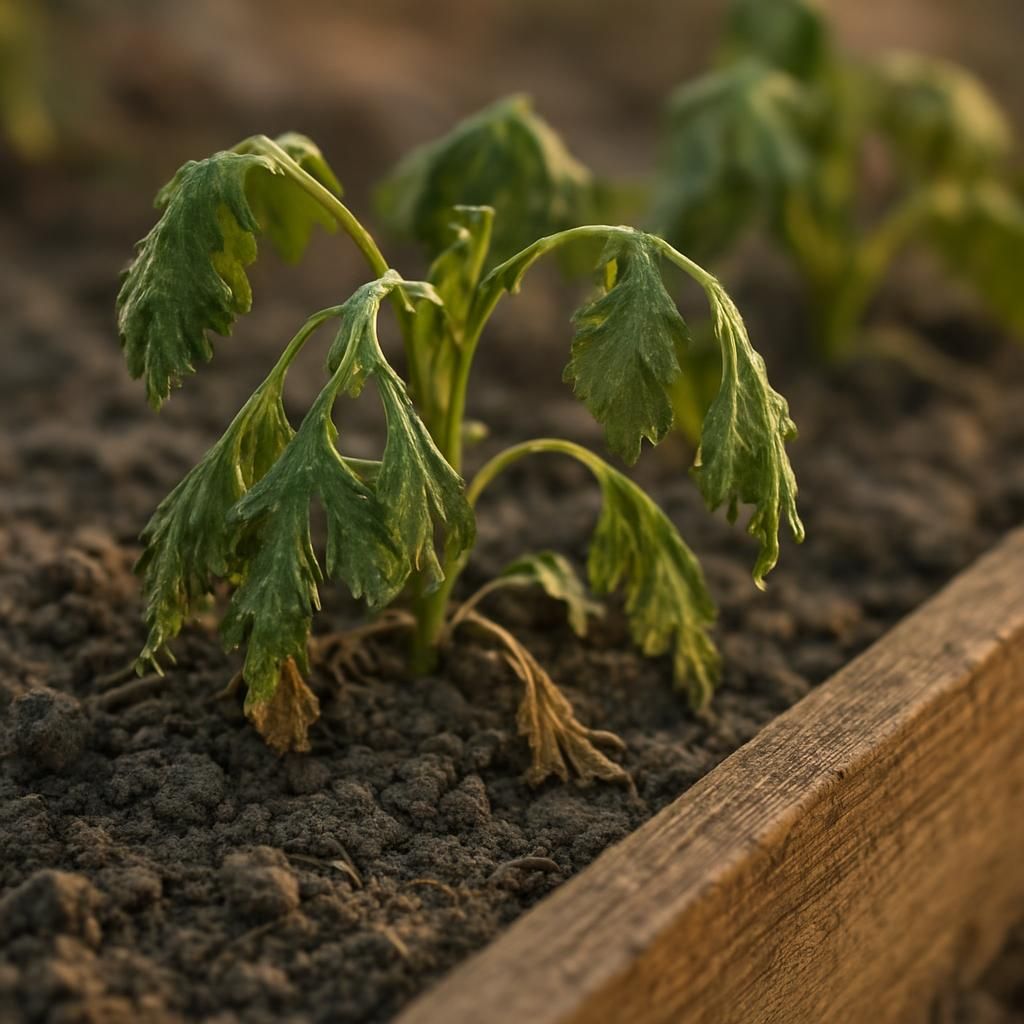
Cilantro often appears "sad" with wilting leaves, yellowing foliage, or leggy stems when environmental conditions fall out of balance. This common herb is sensitive to inconsistent moisture, temperature swings, and soil conditions. Understanding the root causes allows gardeners to restore plant health quickly using organic methods. Proper diagnosis and timely intervention can turn struggling plants around within days while building long-term resilience.
Common Causes
Several factors contribute to cilantro's distressed appearance. The most frequent issues involve water management, temperature, and soil quality.
| Cause | Symptoms | Typical Timing |
|---|---|---|
| Inconsistent watering | Wilting during day, recovery at night, dry soil | Throughout growing season |
| Overwatering | Yellow lower leaves, soggy soil, root rot smell | After heavy rain or frequent irrigation |
| Heat stress | Bolting, bitter leaves, rapid wilting | When temperatures exceed 75°F (24°C) |
| Nutrient deficiency | Pale yellow leaves, stunted growth | 4-6 weeks after planting |
| Poor soil drainage | Standing water, fungal growth on surface | In heavy clay or compacted beds |
Cilantro prefers cool weather and steady moisture. Sudden changes often trigger visible stress.
Step-by-Step Organic Solutions
Follow this sequence to diagnose and treat affected plants.
Step 1: Assess Soil Moisture
Check soil 1 inch below the surface with your finger. If dry, water deeply until moisture reaches 6 inches down. If soggy, stop watering and improve drainage by gently loosening the top inch of soil.
Step 2: Adjust Watering Schedule
Water cilantro early in the morning so foliage dries before evening. Provide 1 inch of water per week, split into two sessions during warm periods. Use a soaker hose or drip irrigation to deliver water directly to roots.
Step 3: Mulch the Soil
Apply a 1-2 inch layer of organic mulch such as straw or shredded leaves around plants. Mulch conserves moisture, moderates soil temperature, and suppresses weeds that compete for water.
Step 4: Improve Drainage if Needed
For heavy soils, mix in compost or aged manure to increase aeration. Raised beds or containers with drainage holes prevent waterlogging. Replant severely affected specimens in fresh, well-draining mix if root rot is suspected.
Step 5: Provide Shade During Heat
Install shade cloth or position taller companion plants like Tomato to filter afternoon sun. This reduces transpiration stress and delays bolting.
Step 6: Apply Organic Fertilizer
Feed with diluted fish emulsion or compost tea every 3-4 weeks. Avoid high-nitrogen products that promote weak growth. Side-dress with aged compost to supply steady nutrients.
Step 7: Monitor and Prune
Remove yellow or damaged leaves to redirect energy. Harvest outer leaves regularly to encourage bushy regrowth. Consistent harvesting also prevents premature flowering.
Prevention Tips
Prevent future problems by selecting the right site and maintaining consistent care.
- Plant cilantro in partial shade during summer months or use bolt-resistant varieties.
- Sow seeds every 2-3 weeks for continuous harvest and to replace plants that bolt.
- Maintain soil pH between 6.0 and 7.0 with regular compost additions.
- Water deeply but infrequently to encourage deep root development.
- Rotate planting locations yearly to reduce soil-borne disease buildup.
- Grow cilantro near Thai Basil and Garlic for natural pest deterrence and microclimate benefits.
- Use row covers during extreme heat or cold snaps.
Consistent attention to moisture levels and temperature protection keeps cilantro productive throughout the season. With these organic practices, gardeners can enjoy lush, flavorful harvests while avoiding the most common causes of plant stress.