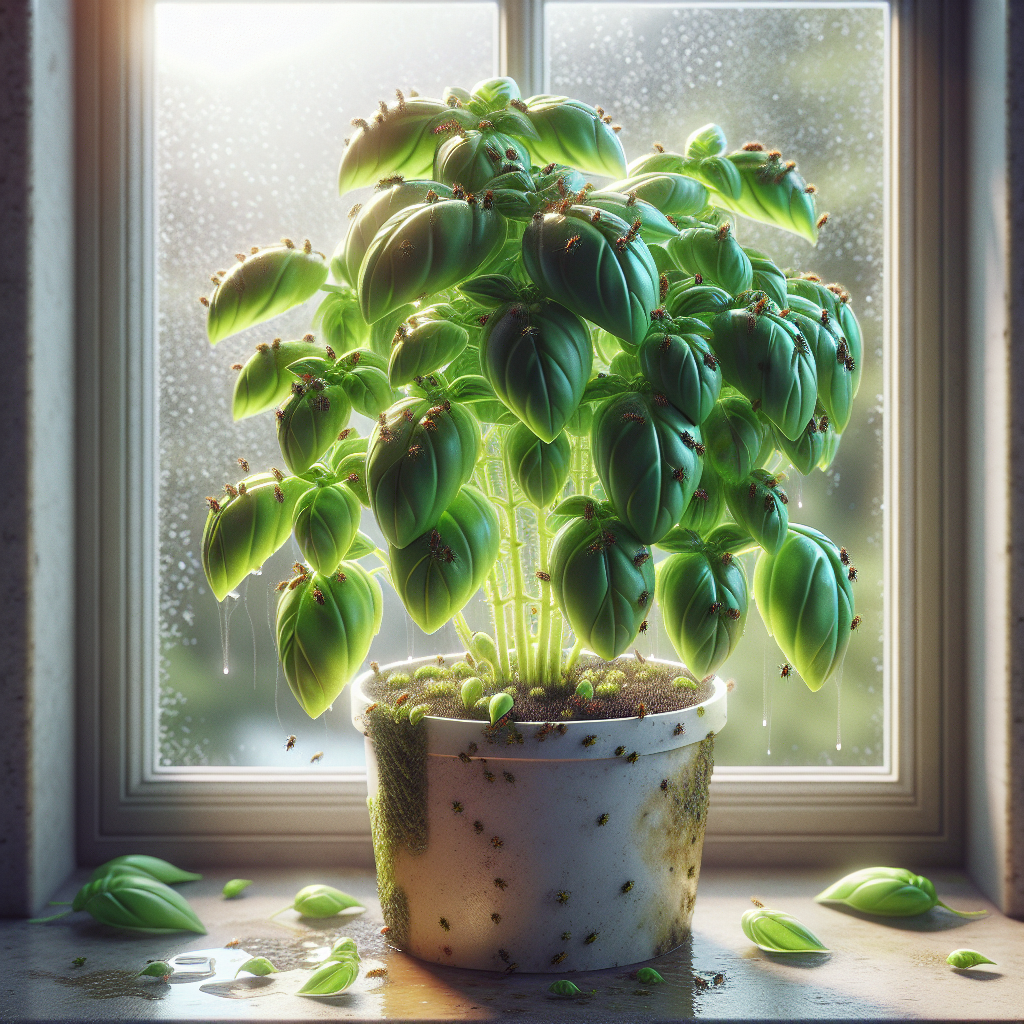
How to Revive Drooping Indoor Basil and Protect from Common Pests Organically
Introduction
Indoor basil plants are a joy for home gardeners, providing fresh leaves for pesto, salads, and garnishes right from your kitchen windowsill. However, if your basil is drooping--leaves wilting, stems sagging, and growth stunted--it can be disheartening, especially for beginners. Drooping often signals stress from environmental factors or attackers like pests that chew on foliage, leading to "what's eating my basil?" panic.
Common culprits include improper watering, poor lighting, temperature fluctuations, root-bound conditions, or infestations by aphids, spider mites, and fungus gnats. The good news? Most issues are fixable with organic methods, no chemicals needed. This guide breaks down diagnosis, organic solutions, and prevention to get your basil perky and pest-free. Similar issues affect related herbs and veggies like Thai Basil or Tomato plants grown indoors.
Common Causes of Drooping Basil
Drooping basil isn't random; it's a symptom with specific triggers. Use the table below to match your plant's signs for quick diagnosis.
| Symptom | Likely Cause | Key Indicators | Affected Plant Parts |
|---|---|---|---|
| Uniform wilting, soil dry | Underwatering | Leaves droop downward, crisp edges | Entire plant |
| Wilting with wet soil | Overwatering/Root rot | Yellowing leaves, mushy stems, foul smell | Lower leaves, roots |
| Leggy growth, pale droop | Insufficient light | Stretched stems, small weak leaves | Upper growth |
| Chewed holes, sticky residue | Aphids/Spider mites | Tiny bugs, webbing, honeydew | New leaves, undersides |
| Stippled leaves, droop | Thrips/Fungus gnats | Silver streaks, flying adults, larvae in soil | Leaves, soil surface |
| Sudden full droop | Temperature shock | Cold drafts or heat above 85°F (29°C) | Whole plant |
| Slow droop, no growth | Root-bound pot | Roots circling pot, stunted size | Base, overall vigor |
Underwatering is the most frequent indoor issue--basil thrives in consistently moist (not soggy) soil. Leaves lose turgor pressure without enough water, drooping dramatically during the day and partially recovering at night.
Overwatering leads to root rot from oxygen-starved roots, often worsened by poor-draining pots. Fungal pathogens like Pythium thrive in wet conditions.
Light deficiency causes etiolation; basil needs 6-8 hours of bright, indirect light daily. Low light mimics underwatering as the plant stretches desperately.
Pests are sneaky: Aphids suck sap, causing droop and distortion. Spider mites create fine webs and speckled leaves. These invaders multiply fast indoors, where natural predators are absent. Chewing damage from pests weakens the plant, exacerbating droop.
Other factors like low humidity (below 40%) or drafts contribute, especially in air-conditioned homes.
Step-by-Step Organic Solutions
Reviving drooping basil requires prompt action. Follow these steps organically, prioritizing gentle interventions.
Step 1: Assess and Isolate
- Inspect thoroughly: Check soil moisture by sticking your finger 1 inch (2.5 cm) deep. Examine leaf undersides with a magnifying glass for pests.
- Quarantine: Move the plant away from others to prevent pest spread. Place in a sink or tub for treatment.
Step 2: Correct Watering Issues
- For underwatering: Water deeply until it drains from the bottom, then maintain even moisture. Use room-temperature water to avoid shock.
- For overwatering: Unpot gently, trim mushy roots with sterilized scissors, and repot in fresh, well-draining mix (1 part potting soil, 1 part perlite, 1 part compost). Let dry slightly between waterings.
| Watering Fix | Frequency | Soil Check Method |
|---|---|---|
| Underwatering recovery | Every 2-3 days initially | Finger test: dry top 1 inch |
| Overwatering recovery | Every 5-7 days | Weigh pot: light = water |
Step 3: Optimize Light and Environment
- Move to a south-facing window with 6+ hours of light. Supplement with full-spectrum grow lights (12-14 hours/day) if needed, 6-12 inches above the plant.
- Maintain 70-85°F (21-29°C) daytime, 60-70°F (15-21°C) nights. Boost humidity with a pebble tray or misting.
Step 4: Treat Pests Organically
Pests eating basil demand immediate, non-toxic control. Focus on these common indoor foes:
- Identify: Aphids (green/black clusters), spider mites (webs, dust-like specks), fungus gnats (tiny flyers).
- Blast off: Use a strong water spray from a hose nozzle, targeting undersides. Repeat daily for 3 days.
- Neem oil spray: Mix 1 tsp neem oil, 1 tsp mild dish soap (castile), 1 quart water. Spray every 3-5 days, evenings to avoid sun burn. Rinse after 2 days.
- Introduce beneficials: Release ladybugs or predatory mites (available online) for ongoing control.
- Soil drench for gnats: Brew compost tea or add cinnamon (1 tbsp per gallon soil) as antifungal.
| Pest | Organic Treatment | Application Frequency |
|---|---|---|
| Aphids | Insecticidal soap/Neem | Every 3 days, 1 week |
| Spider Mites | Water blast + Neem | Daily + weekly |
| Fungus Gnats | Sticky traps + BTi | Continuous |
Step 5: Repot if Root-Bound
- Choose a pot 1-2 inches larger with drainage holes.
- Use organic mix amended with worm castings for nutrients.
- Trim droopy leaves to reduce stress.
Step 6: Fertilize Gently
- Apply diluted fish emulsion or seaweed extract (1/4 strength) every 2 weeks post-recovery. Avoid during stress.
Expect recovery in 3-7 days with consistent care. Prune heavily to encourage bushy growth.
Prevention Tips
Keep basil thriving long-term with these organic habits:
- Potting setup: Always use terracotta or fabric pots for breathability. Refresh soil annually.
- Watering routine: Check soil daily; water when top inch is dry. Use self-watering pots for consistency.
- Light management: Rotate plants weekly for even growth. Track with a light meter app.
- Pest scouting: Inspect weekly, especially new growth. Companion plant with marigolds or Nasturtium (if space allows) to deter aphids.
- Humidity and air: Group plants, use humidifiers, and ensure good airflow to prevent fungal issues.
- Organic boosts: Mulch with compost. Pinch tops regularly for bushiness.
- Variety selection: Opt for compact types suited to indoors, akin to Thai Basil.
By preventing extremes, your basil stays upright and productive. Harvest regularly to stimulate growth--happy plants yield more!
(Word count: 952)