Introduction
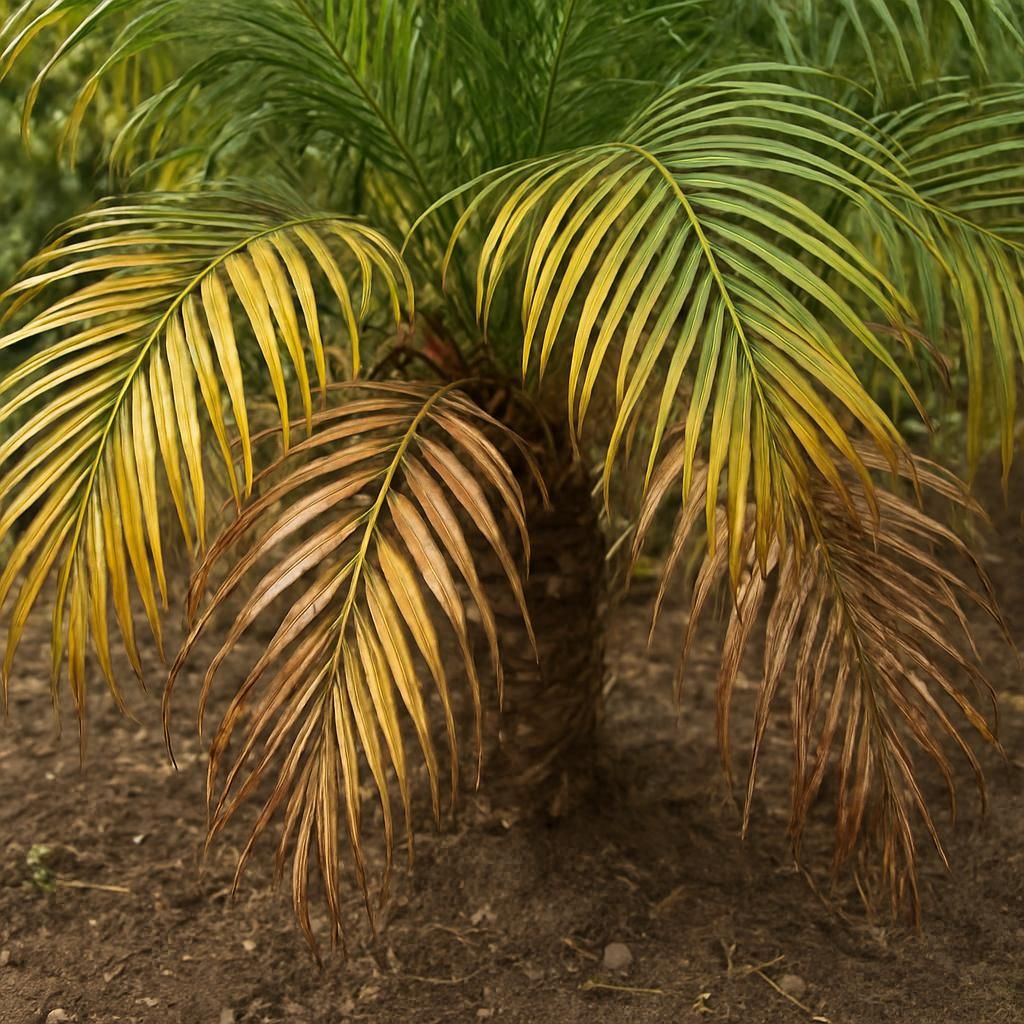
Palm trees are iconic landscape plants prized for their tropical appearance and resilience, yet they often show signs of distress that leave gardeners wondering how to bring them back to health. Yellowing fronds, browning tips, stunted growth, or drooping leaves are common indicators that a palm tree is in trouble. Understanding the underlying issues and applying targeted organic care can restore vitality without relying on synthetic chemicals. This guide outlines the most frequent causes of decline and provides practical, step-by-step organic solutions to revive your palm.
Common Causes
Several environmental and cultural factors typically lead to palm tree decline. Identifying the exact problem is essential before treatment begins.
- Improper Watering: Overwatering causes root rot while underwatering leads to desiccation. Palms prefer consistent moisture but excellent drainage.
- Nutrient Deficiencies: Potassium, magnesium, and manganese shortages frequently appear as yellow or frizzled fronds, especially in sandy soils.
- Poor Soil Conditions: Compacted, alkaline, or nutrient-poor soil restricts root development and nutrient uptake.
- Pest Infestations: Spider mites, scale insects, and palm weevils weaken the tree by feeding on sap and fronds.
- Fungal or Bacterial Issues: Diseases such as Fusarium wilt or bud rot thrive in humid, poorly ventilated conditions.
- Environmental Stress: Sudden temperature changes, excessive wind, or transplant shock can trigger decline.
| Cause | Typical Symptoms | Quick Diagnostic Test |
|---|---|---|
| Overwatering | Yellow lower fronds, soft trunk base | Check soil moisture 6 inches deep |
| Nutrient Deficiency | Frizzled or orange-speckled fronds | Soil test for potassium and magnesium |
| Pests | Sticky residue, webbing, or holes | Inspect undersides of fronds |
| Poor Drainage | Standing water, root odor | Dig test hole and observe drainage |
Step-by-Step Organic Solutions
Follow these sequential steps to nurse your palm back to health using only natural materials.
Step 1: Assess and Prune
Begin by removing dead or severely damaged fronds with clean, sterilized shears. Cut at the base without damaging the trunk. This reduces stress and prevents disease spread. Avoid over-pruning; never remove more than one-third of the canopy at once.
Step 2: Improve Soil and Drainage
Aerate compacted soil around the root zone using a garden fork. Incorporate organic matter such as well-rotted compost or aged manure to enhance structure. For container palms, repot into a well-draining mix of coconut coir, perlite, and pine bark. Ensure planting holes allow water to drain within 30 minutes.
Step 3: Adjust Watering Practices
Water deeply but infrequently, allowing the top few inches of soil to dry between sessions. Early morning watering minimizes fungal risk. Mulch with 2-3 inches of organic material like wood chips, keeping it away from the trunk to prevent rot.
Step 4: Supply Organic Nutrients
Apply a balanced organic palm fertilizer derived from seaweed, fish emulsion, or compost tea every 6-8 weeks during the growing season. Supplement with Epsom salts (magnesium sulfate) dissolved in water for magnesium deficiency. Top-dress with bone meal to boost potassium levels naturally.
Step 5: Manage Pests Organically
Spray affected fronds with neem oil or insecticidal soap solutions. Introduce beneficial insects such as ladybugs for scale control. Wipe heavy infestations with a soft cloth dipped in diluted alcohol.
Step 6: Monitor and Support Recovery
Observe new growth over 4-8 weeks. Provide temporary shade cloth during extreme heat and protect from strong winds. Consistent care usually produces visible improvement within one growing season.
Prevention Tips
Maintaining long-term palm health prevents future decline. Choose planting sites with full sun and protection from harsh winds. Perform annual soil tests and amend accordingly. Water only when necessary and maintain a 3-inch organic mulch layer. Space palms adequately for airflow to reduce disease pressure. Regularly inspect for early pest signs and treat promptly with organic sprays. Companion planting with aromatic herbs can deter insects naturally.
Similar principles apply when caring for tropical species such as Coconut, Banana, and Mango trees, which share comparable soil and nutrient requirements.
By addressing the root causes with organic techniques and consistent monitoring, most declining palms can regain their lush, vibrant appearance and continue to thrive for years.