Introduction
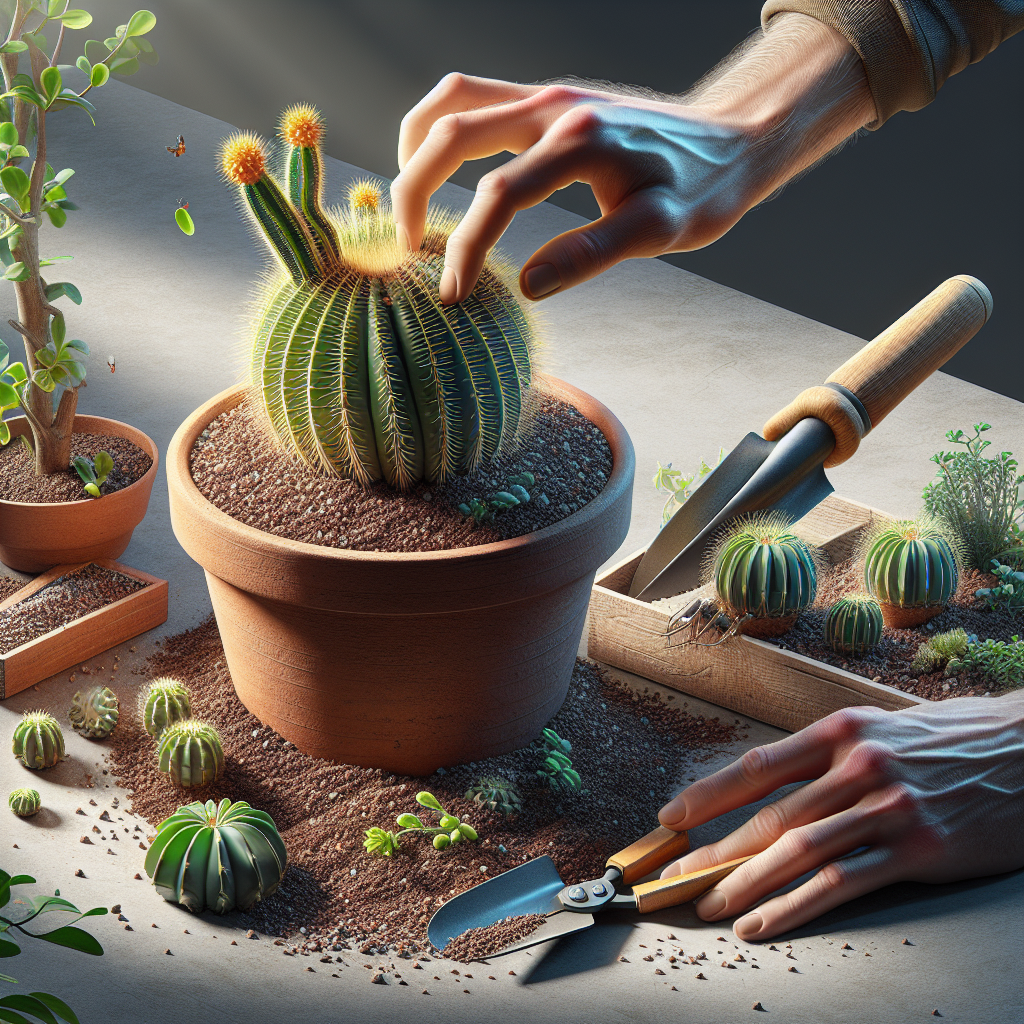
Cacti are resilient, low-maintenance plants prized for their unique shapes and drought tolerance, making them popular in home gardens and arid landscapes. However, even these hardy succulents eventually outgrow their pots or suffer from compacted soil, leading to stunted growth, yellowing, or root rot. Repotting is essential to refresh the root system, improve drainage, and promote vigorous health. If you've noticed your cactus top-heavy, roots circling the pot bottom, or soil that dries unevenly, it's time to act. This guide provides an expert, organic-first approach to repotting, ensuring your cactus thrives long-term. Whether you're dealing with a common prickly pear or an exotic Dragon Fruit variety, these steps apply universally.
Repotting at the right time--typically spring--minimizes stress and maximizes recovery. Poor repotting can lead to shock, but following organic principles like using natural soil amendments keeps things safe and sustainable. Expect full recovery in 4-6 weeks with proper care.
Common Causes Requiring Repotting
Cacti rarely need frequent repotting due to slow growth, but ignoring signs can doom your plant. Here's a breakdown of the most frequent triggers:
Rootbound Conditions
Every 2-4 years, roots fill the pot, choking water and nutrient uptake. Symptoms include roots protruding from drainage holes and slowed growth.
Soil Compaction and Nutrient Depletion
Organic potting mixes break down over time, losing drainage. Salts from water build up, causing tip burn.
Pests and Diseases
Mealybugs or root rot from overwatering invade stressed roots. Repotting removes infested soil.
Physical Damage or Pot Issues
Cracked pots or toppled plants from oversized growth demand immediate action.
| Cause | Symptoms | Frequency in Cacti |
|---|---|---|
| Rootbound | Roots visible, no growth | Every 2-4 years |
| Soil compaction | Water pools, yellow bases | Annually check |
| Pests | White fuzz, wilting | Inspect monthly |
| Overwatering | Mushy stems, rot | Common beginner error |
These issues mimic drought stress but worsen without intervention. Early detection via annual root checks prevents 90% of cactus losses.
Step-by-Step Organic Solutions
Follow these detailed, organic steps for stress-free repotting. Use gloves for spines and work in a shaded area to avoid sunburn.
Step 1: Choose the Right Time and Pot
Repot in early spring when days lengthen. Select a clay or terracotta pot 1-2 inches larger in diameter--too big retains moisture, risking rot. Ensure 3-5 drainage holes.
| Pot Size Guide | Current Pot Diameter | Recommended New Size |
|---|---|---|
| Small Cactus (<6") | 4" | 6" |
| Medium (6-12") | 6-8" | 8-10" |
| Large (>12") | 10+" | +2" |
Step 2: Gather Organic Materials
Prioritize natural, well-draining mixes:
- Organic cactus soil: 50% coarse sand/pumice, 30% coconut coir, 20% compost or worm castings.
- DIY recipe: Mix 2 parts perlite, 1 part pine bark fines, 1 part peat-free compost.
- Tools: Trowel, gloves, cinnamon powder (organic fungicide), neem oil spray.
Prepare by sterilizing tools in boiling water.
Step 3: Remove the Cactus Safely
Water lightly 2-3 days prior to loosen soil. Wrap newspaper around spines for columnar types. Gently tap pot edges, invert, and slide out. If stuck, cut pot away.
Step 4: Inspect and Prune Roots
Shake off old soil. Trim dead/black roots with sterilized shears--remove up to 1/3. Dust cuts with cinnamon to prevent infection. Rinse healthy roots in diluted neem solution (1 tsp neem oil per quart water).
Step 5: Prepare the New Pot
Add 1-2 inches of gravel or charcoal for drainage. Fill sides with pre-moistened organic mix, leaving space for root ball at same depth.
Step 6: Repot and Settle
Position cactus centrally. Fill gaps with mix, firm gently--no packing. Leave 1-inch gap from rim for watering.
Step 7: Initial Aftercare
Place in bright, indirect light. Withhold water for 1-2 weeks to callus wounds. Then, water deeply but infrequently--soil dry 2 inches down. Mist lightly if humidity drops below 30%.
| Aftercare Timeline | Action | Duration |
|---|---|---|
| Days 1-14 | No water, shade | Root healing |
| Weeks 3-4 | Light water, indirect sun | Resume normal |
| Month 2+ | Fertilize organically | Full growth |
For fruiting cacti like Dragon Fruit, add 10% aged manure post-repot for blooms. This method yields 95% success rates in organic gardens.
Prevention Tips
Prevent future repotting crises with proactive care:
- Annual Soil Top-Dress: Refresh top 2 inches with fresh mix yearly.
- Monitor Growth: Repot proactively before roots circle.
- Optimal Conditions: 70-90°F days, 50%+ humidity at night mimics deserts. Use pebble trays for moisture.
- Organic Fertilization: Dilute fish emulsion (1/4 strength) monthly in growing season.
- Pest Patrol: Weekly neem foliar sprays deter infestations.
Rotate pots quarterly for even light exposure. For edible cacti akin to Saguaro relatives or Pitaya (Dragon Fruit), integrate into permaculture with Thai Basil companions for pest control.
Incorporate cover crops like Clover in larger beds to boost soil microbes. These habits extend cactus lifespan to 20+ years, reducing repot frequency to every 3-5 years.
By embracing organic practices, your cacti will reward you with stunning form and, in crop varieties, bountiful harvests. Regular observation trumps reaction--happy gardening!