Introduction
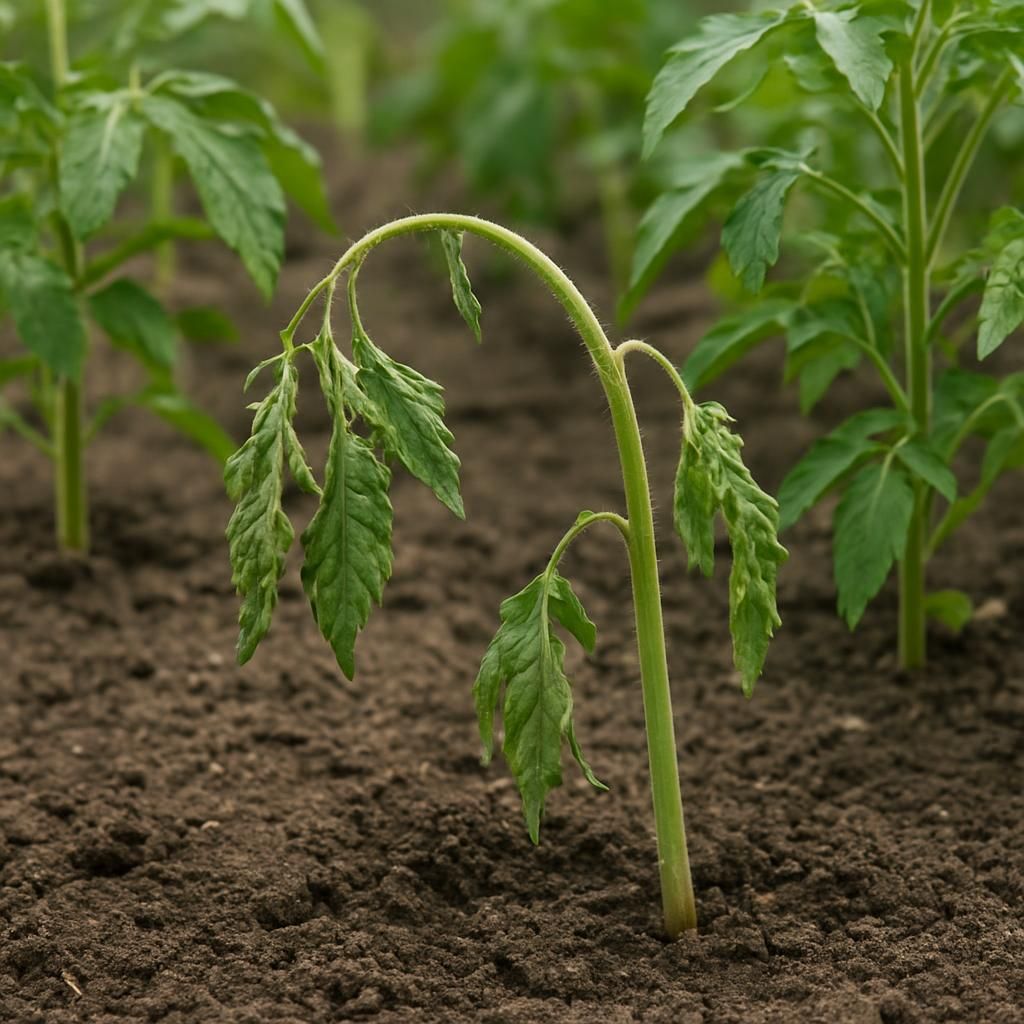
Many beginner gardeners notice their plants leaning, flopping, or completely toppling over, especially after watering or during growth spurts. This common issue often signals underlying problems with light, water, nutrients, or structural support. Plants fall over when stems weaken or roots fail to anchor properly, leading to reduced yields and stressed crops. Understanding the root causes allows you to apply targeted, organic fixes that promote sturdy, upright growth without synthetic chemicals.
Common Causes
Several factors contribute to plants falling over. Identifying the specific trigger is the first step toward correction.
| Cause | Symptoms | Affected Plants |
|---|---|---|
| ------- | ---------- | ----------------- |
| Insufficient Light | Leggy, stretched stems with sparse foliage | Tomatoes, peppers, herbs |
| Overwatering/Poor Drainage | Yellowing leaves, soft stems, root rot | Most vegetables and ornamentals |
| Nutrient Deficiency | Pale leaves, weak stems, slow growth | Leafy greens, fruiting crops |
| Lack of Physical Support | Tall plants bending under their own weight | Vining or heavy-fruited varieties |
| Improper Watering Technique | Shallow roots from surface watering only | All container and garden plants |
Overwatering is frequently mentioned by new growers and can quickly weaken root systems. When soil stays soggy, roots cannot access oxygen, resulting in instability.
Step-by-Step Organic Solutions
Follow these practical steps to restore strength to falling plants.
Assess and Adjust Light Exposure
Move container plants to a south-facing location or supplement with full-spectrum grow lights for 12-16 hours daily. For garden beds, prune nearby trees to increase sunlight. Strong light encourages compact, sturdy stems.Improve Watering Practices
Water deeply but infrequently. Insert a finger 2-3 inches into the soil; irrigate only when dry. Use a soaker hose or drip irrigation to deliver water directly to roots. For Tomato plants, aim for 1-2 inches of water per week, adjusting for rainfall.Enhance Soil Structure and Drainage
Mix in organic matter such as compost or aged manure at a 2-inch layer. Raised beds or containers with drainage holes prevent waterlogging. Test soil pH and amend with lime or sulfur if needed for optimal nutrient uptake.Provide Organic Support Structures
Install stakes, cages, or trellises early in the season. Use soft twine or plant ties to secure stems loosely. For heavy crops like Cucumber, vertical netting allows air circulation while supporting weight.Apply Balanced Organic Fertilizers
Top-dress with compost tea or worm castings every 4-6 weeks. Avoid high-nitrogen formulas that promote soft growth; instead, use balanced options rich in potassium and phosphorus for stem strength.Prune and Thin as Needed
Remove lower leaves and suckers on indeterminate varieties to redirect energy. Thin dense plantings to improve airflow and reduce competition for resources.
Prevention Tips
- Choose compact or dwarf varieties suited to your space and climate.
- Harden off seedlings gradually before transplanting to build resilience.
- Mulch with 2-3 inches of organic material to retain moisture evenly and suppress weeds.
- Rotate crops annually to maintain soil health and reduce disease pressure.
- Monitor plants weekly for early signs of stress and address issues promptly.
Implementing these organic methods consistently leads to stronger plants that remain upright throughout the growing season. Regular observation and adjustments based on your specific garden conditions will yield the most reliable results.
For additional guidance on supporting specific crops, explore resources on Sunflower cultivation and Lettuce care, which often face similar challenges with stem strength and watering balance.