Introduction
Small farms and local food producers frequently face setbacks that threaten their viability, from fluctuating markets and rising input costs to shifting regulations and climate pressures. These challenges can reduce profitability, limit access to land, and disrupt supply chains for fresh, regionally grown produce. By focusing on organic practices, diversified operations, and community engagement, farmers can build long-term resilience. This guide outlines common causes of these setbacks and provides step-by-step organic solutions to strengthen small-scale agriculture.
Common Causes
Several interconnected factors contribute to difficulties for small farms:
- Economic and Market Pressures: Large-scale operations often dominate wholesale markets, leaving small producers with lower prices and limited bargaining power.
- Regulatory and Policy Shifts: Changes in subsidies, land-use rules, or food safety requirements can increase compliance costs disproportionately for smaller operations.
- Resource Limitations: Access to affordable land, water, and labor remains a persistent barrier, especially in areas experiencing urban expansion.
- Environmental Stressors: Soil degradation, extreme weather, and pest pressures compound challenges when farms lack the scale for advanced mitigation tools.
These issues often overlap, creating cycles that reduce farm viability and threaten local food availability.
Step-by-Step Organic Solutions
Adopting organic methods helps small farms reduce dependency on external inputs while improving soil health and market differentiation.
1. Assess and Improve Soil Health
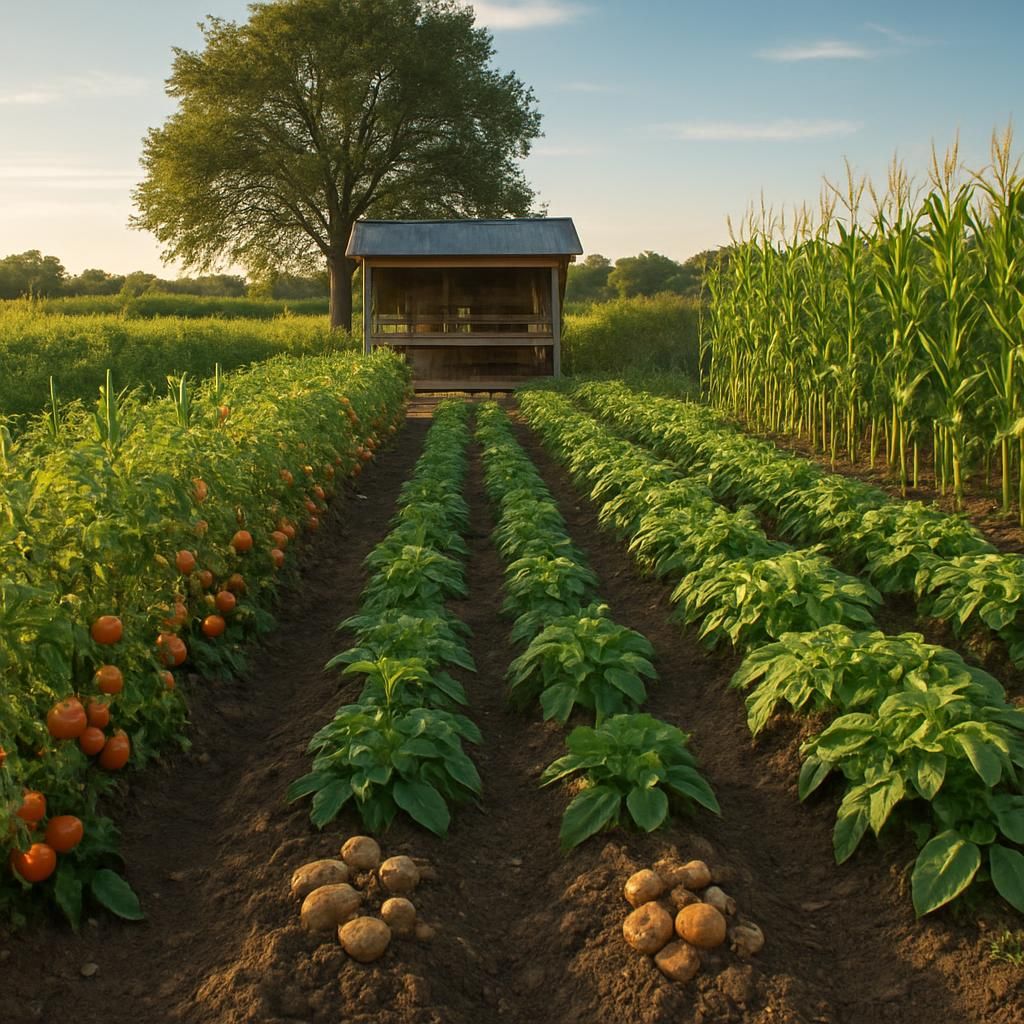
Begin with comprehensive soil testing to identify nutrient imbalances. Implement cover cropping with species like clover or legumes to fix nitrogen naturally. Rotate crops such as Tomato, Potato, and Corn to break pest cycles and maintain fertility. Apply compost and well-rotted manure annually at rates of 5-10 tons per acre to build organic matter.
2. Diversify Crop Production
Reduce risk by growing multiple varieties suited to local conditions. Include high-value crops like Tomato alongside staples such as Potato and Corn. Introduce succession planting every 2-3 weeks during the growing season to extend harvest windows and stabilize income.
3. Develop Direct Marketing Channels
Establish community-supported agriculture (CSA) programs, farmers' markets, and farm stands. Partner with local restaurants and schools to secure consistent buyers. Highlight organic certification and traceability to command premium prices.
4. Implement Water Conservation Techniques
Install drip irrigation systems and use mulch to retain moisture. Collect rainwater where permitted and monitor soil moisture with simple tensiometers. These steps cut water use by 30-50% while protecting yields during dry periods.
5. Strengthen Community and Knowledge Networks
Join or form farmer cooperatives for shared equipment and bulk purchasing. Attend organic certification workshops and participate in regional seed-saving exchanges to preserve locally adapted varieties.
| Strategy | Expected Timeline | Key Benefits | Estimated Cost Range |
|---|---|---|---|
| Soil Building with Compost | 6-18 months | Improved yields, reduced fertilizer needs | $200-800 per acre |
| Crop Diversification | 1-2 seasons | Risk reduction, extended revenue | $500-1,500 per acre |
| Direct Marketing Setup | 3-6 months | Higher margins, customer loyalty | $1,000-3,000 initial |
| Drip Irrigation Installation | 1-3 months | Water savings, consistent quality | $800-2,500 per acre |
Prevention Tips
Prevent future setbacks by planning proactively. Maintain detailed farm records to demonstrate compliance and track profitability. Invest in soil organic matter yearly to buffer against weather extremes. Cultivate relationships with local policymakers to stay informed about upcoming regulations. Finally, explore value-added products such as jams, dried herbs, or pickled vegetables to increase revenue streams without expanding acreage.
By consistently applying these organic-first approaches, small farms can transform challenges into opportunities for sustainable growth and stronger local food systems.