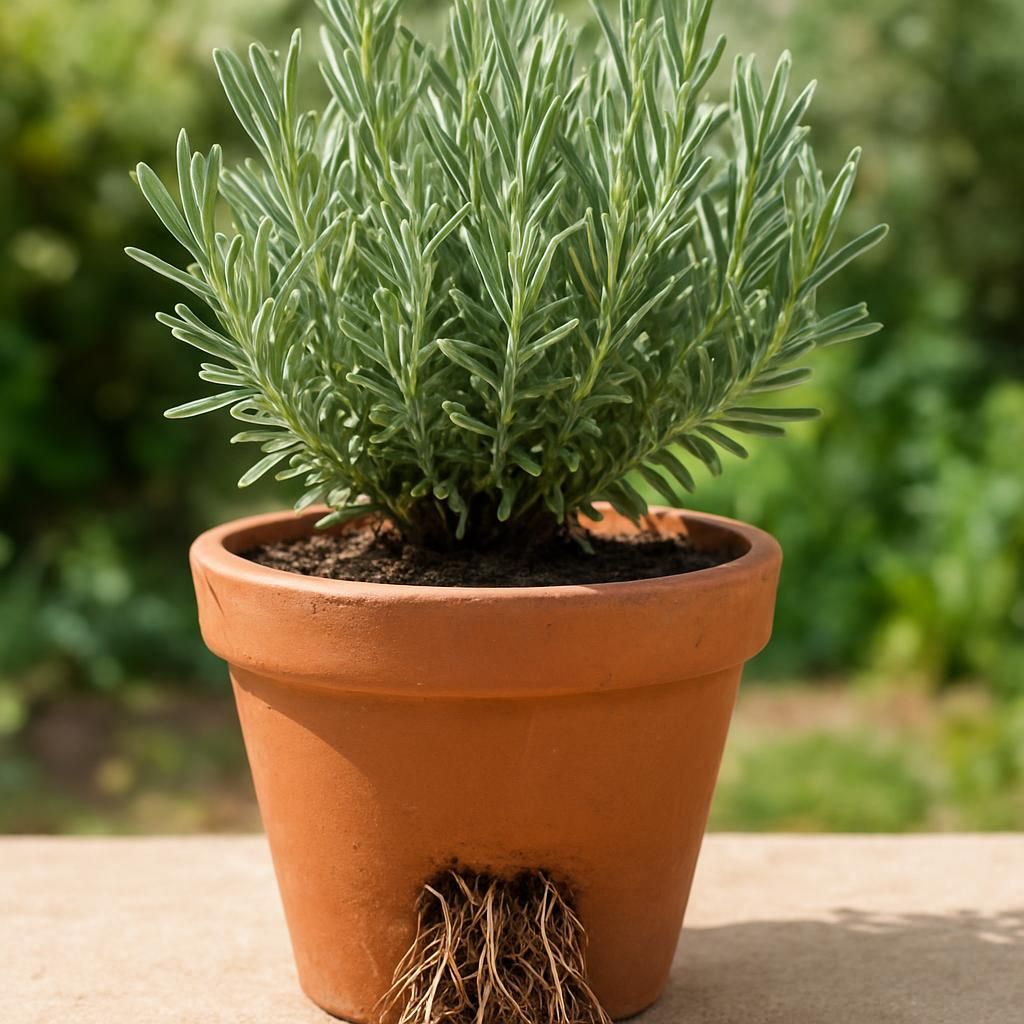
How to Know When Your Lavender Plant Needs Repotting
Lavender thrives in well-drained conditions and can quickly outgrow its container when roots become restricted. Recognizing the right moment to repot prevents stress and supports continued blooming and aromatic foliage.
Introduction
Container-grown Lavender plants often signal when they have outgrown their space through visible changes in growth and soil behavior. Repotting at the correct time maintains root health and prevents issues like waterlogging or nutrient lockout. This guide covers the most reliable indicators, a complete organic repotting process, and proactive measures to extend the time between repots.
Common Causes and Signs Your Lavender Needs a Larger Pot
Several root-related and environmental factors trigger the need for repotting. The most frequent causes include rapid root expansion in fast-growing varieties and seasonal temperature fluctuations that accelerate growth.
Watch for these primary indicators:
- Roots emerging from drainage holes: Visible circling or protruding roots show the plant has filled the available space.
- Quick soil drying: Water drains through the pot within minutes because roots occupy most of the volume.
- Stunted or sparse growth: New shoots appear smaller and flowering decreases compared to previous seasons.
- Yellowing lower leaves: Restricted roots limit nutrient uptake even when soil tests adequate.
- Cracked or bulging pots: Plastic or terracotta containers deform under root pressure.
| Sign | Frequency | Urgency | Recommended Action |
|---|---|---|---|
| Roots visible at base | High | Repot within 2 weeks | Choose pot 2-4 inches wider |
| Water runs through immediately | Medium | Repot in next 3-4 weeks | Add fresh organic mix |
| Reduced flowering | Medium | Monitor for one season | Repot if persists |
| Cracked container | Low | Immediate | Replace pot and inspect roots |
These signs often appear together. Early detection allows repotting during the plant's active growth period in spring.
Step-by-Step Organic Repotting Process
Repotting Lavender requires minimal disturbance and an emphasis on drainage. Perform the task in early spring before new growth accelerates.
1. Gather Materials
Select a terracotta or fabric pot with multiple drainage holes. Prepare a well-draining organic mix of two parts compost, one part coarse sand, and one part perlite. Avoid peat-based soils that retain excess moisture.
2. Prepare the New Container
Fill the bottom third of the new pot with the mix. Create a slight mound in the center to encourage outward root spread.
3. Remove the Plant
Water the current pot lightly one hour before removal. Gently tip the container and tap the sides to loosen the root ball. Avoid pulling on stems.
4. Inspect and Prune Roots
Examine the root ball. Trim any circling or damaged roots with clean shears. Tease apart compacted sections without breaking more than 20 percent of the total root mass.
5. Position and Backfill
Place the plant so the crown sits at the same depth as before. Fill around the roots with fresh mix, firming gently to eliminate air pockets.
6. Water and Settle
Water thoroughly until drainage appears. Allow excess water to escape, then move the pot to a bright location with indirect light for the first week.
Monitor soil moisture daily for the following ten days. Organic amendments such as worm castings can be top-dressed after four weeks to support recovery.
Prevention Tips for Longer Intervals Between Repots
Choosing the correct initial pot size and maintaining soil health reduces repotting frequency. Start lavender in a container at least 12 inches wide and deep for mature plants. Use unglazed terracotta to promote evaporation and prevent root rot.
Refresh the top two inches of soil annually with fresh compost rather than disturbing the entire root system. Rotate the pot quarterly for even light exposure. Pair lavender with companion plants such as Thyme or Garlic in larger containers to improve biodiversity and deter pests naturally.
Mulch the soil surface with gravel or crushed oyster shell to moderate temperature swings and reduce evaporation. Water only when the top inch of soil feels dry, typically every 7-10 days in summer. These practices support steady growth while keeping the plant content in its container for three to five years.
Regular observation remains the most effective prevention tool. Track flowering density and leaf color each season to anticipate needs before visible stress appears. With consistent organic care, lavender maintains vigor and fragrance without frequent repotting.