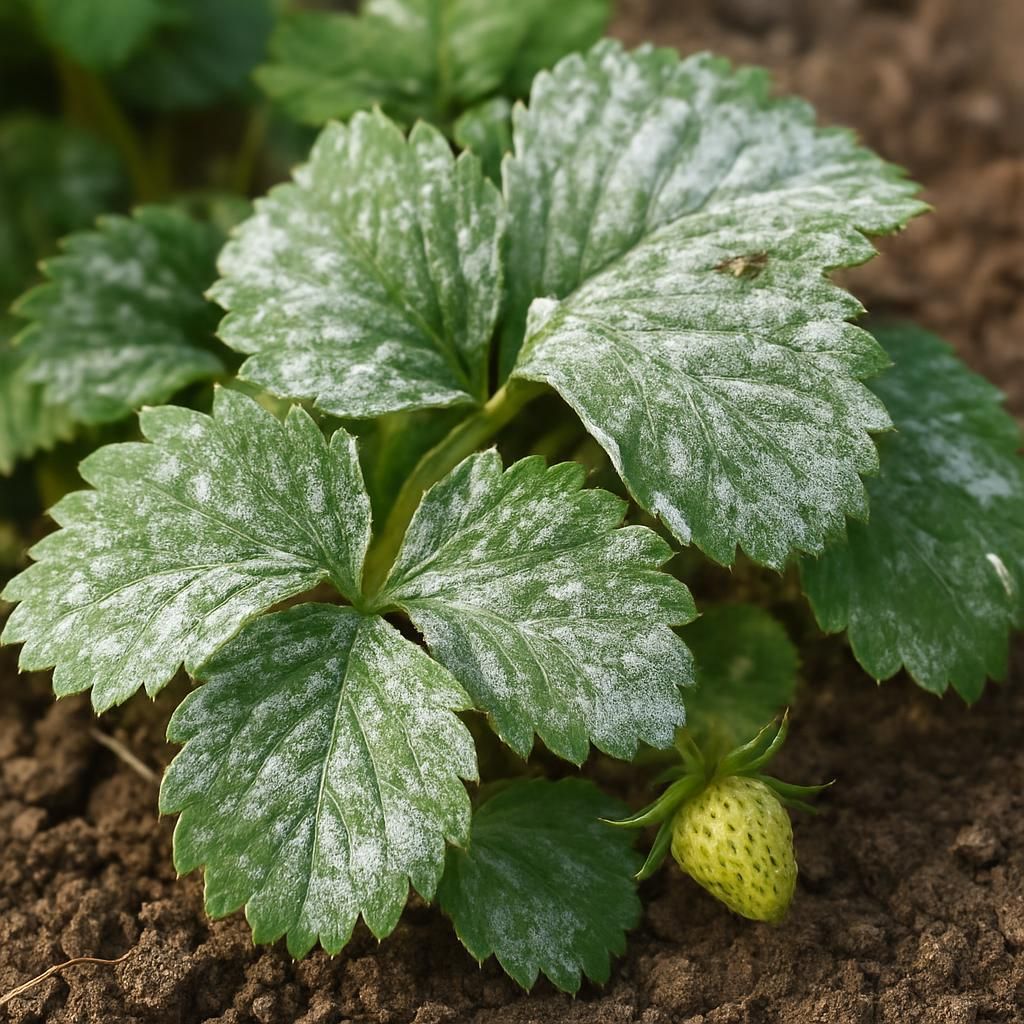
How to Identify and Treat White Leaves on Strawberry Plants
White discoloration on strawberry plants is a common issue that can signal underlying problems affecting plant health and fruit production. This guide explores the causes, provides step-by-step organic solutions, and outlines prevention strategies to keep your Strawberry plants thriving.
Introduction
Strawberry plants are prized for their sweet fruit and relatively easy cultivation, yet they remain susceptible to environmental stresses and pathogens that manifest as white patches or coatings on leaves. When leaves turn white, it often indicates the presence of a fungal infection, though other factors like nutrient imbalances or pest activity may contribute. Early identification allows gardeners to intervene before the problem spreads to crowns or fruit, preserving both yield and plant vigor. Understanding the specific symptoms helps distinguish between similar-looking issues across crops such as Cucumber and Squash.
Common Causes
Several factors can cause strawberry leaves to appear white. The most frequent culprit is powdery mildew, a fungal disease favored by humid conditions with poor air circulation.
Powdery Mildew
Powdery mildew appears as a white, flour-like coating on upper and lower leaf surfaces. It thrives in temperatures between 60°F and 80°F with moderate humidity and limited airflow. Infected leaves may curl, yellow, or become brittle over time.
Nutrient Deficiencies
Although less common, deficiencies in magnesium or certain micronutrients can produce pale or whitish foliage. These symptoms usually appear uniformly rather than as distinct powdery patches.
Pest Damage
Spider mites and thrips can cause stippling that gives leaves a silvery-white appearance. Close inspection often reveals tiny webs or insects on the underside of leaves.
The table below compares key symptoms:
| Cause | Appearance | Typical Spread | Environmental Trigger |
|---|---|---|---|
| Powdery Mildew | Flour-like white coating | Upper and lower leaves | Warm, humid, still air |
| Nutrient Deficiency | Uniform pale whitening | Older leaves first | Poor soil fertility |
| Spider Mites | Silvery stippling | Undersides of leaves | Hot, dry conditions |
Step-by-Step Organic Solutions
Addressing white leaves organically begins with cultural practices and progresses to targeted treatments. Always start with the least invasive methods.
Step 1: Assess and Isolate
Inspect all plants thoroughly, removing and disposing of severely infected leaves in sealed bags. Avoid composting diseased material. Improve spacing between plants to enhance airflow immediately.
Step 2: Apply Cultural Controls
Water at the base of plants early in the day to keep foliage dry. Mulch with straw to reduce soil splash and maintain even moisture without excess humidity.
Step 3: Use Organic Sprays
Prepare a baking soda solution by mixing 1 tablespoon of baking soda and ½ teaspoon of liquid soap in one gallon of water. Spray both sides of leaves every 7-10 days. Alternatively, apply neem oil diluted according to label instructions during cooler parts of the day.
Step 4: Introduce Beneficial Organisms
Release predatory mites or apply Bacillus subtilis-based products to suppress fungal growth naturally. Reapply after heavy rain for continued protection.
Step 5: Monitor and Repeat
Check plants weekly for new symptoms. Combine treatments with consistent pruning of older leaves to reduce spore load. Most infections show improvement within two weeks of diligent application.
Prevention Tips
Preventing recurrence requires ongoing attention to growing conditions.
- Choose resistant strawberry varieties when possible.
- Maintain 12-18 inches of spacing and prune regularly for airflow.
- Rotate planting locations every two years to disrupt disease cycles.
- Test soil annually and amend with balanced organic fertilizers to avoid nutrient stress.
- Monitor nearby plants such as Cucumber and Squash for early signs of similar fungal issues.
Consistent sanitation, including removal of fallen leaves in autumn, significantly reduces overwintering spores. By combining these practices, gardeners can enjoy productive Strawberry patches season after season without relying on synthetic chemicals.