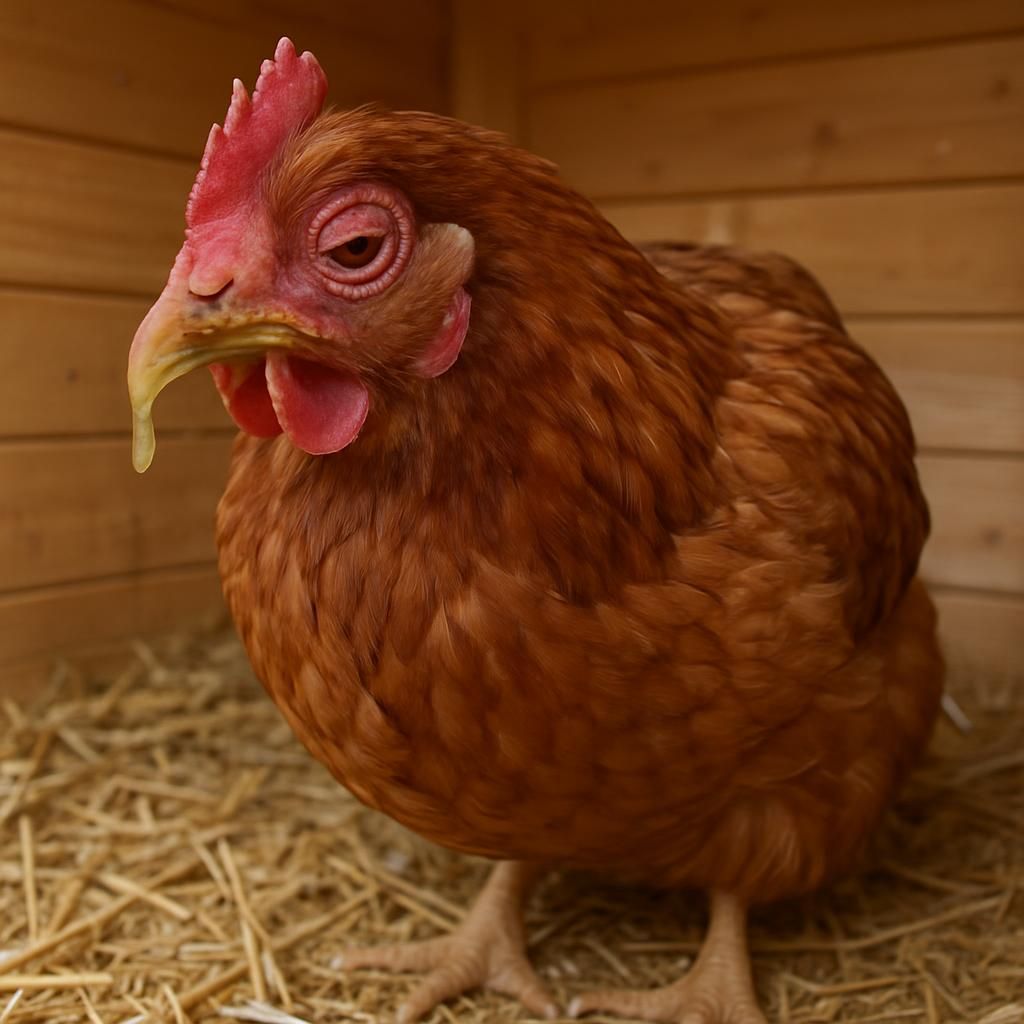
How to Identify and Treat Respiratory Infections in Backyard Chickens
Respiratory infections are a frequent challenge for homesteaders raising backyard chickens. These conditions can spread quickly through a flock, leading to reduced egg production, weight loss, and in severe cases, mortality. Early detection and organic management are essential for maintaining flock health without relying on synthetic antibiotics.
Introduction
Backyard chicken keepers often notice symptoms such as sneezing, wheezing, nasal discharge, and swollen eyes when respiratory issues arise. These signs indicate an infection affecting the birds' respiratory systems. Prompt action helps limit spread and supports natural recovery. Understanding the underlying causes allows for targeted, organic interventions that address both symptoms and root factors.
Common Causes
Respiratory infections in chickens stem from several pathogens and environmental triggers. Bacterial infections like Mycoplasma gallisepticum cause chronic respiratory disease. Viral agents, including infectious bronchitis and Newcastle disease, produce similar symptoms. Fungal spores from moldy bedding can also contribute.
Environmental factors exacerbate problems. Poor ventilation traps ammonia and moisture, irritating airways. Overcrowding increases stress and pathogen transmission. Nutritional deficiencies weaken immune responses, making birds more susceptible.
| Cause Type | Examples | Typical Symptoms |
|---|---|---|
| Bacterial | Mycoplasma, E. coli | Sneezing, nasal discharge, reduced appetite |
| Viral | Infectious bronchitis, avian influenza | Coughing, watery eyes, drop in egg production |
| Environmental | Ammonia buildup, mold | Labored breathing, lethargy |
Step-by-Step Organic Solutions
Organic approaches focus on supporting the immune system and improving living conditions. Begin by isolating affected birds in a warm, dry quarantine area with fresh bedding.
Herbal and Natural Remedies
Incorporate Garlic into the flock's diet. Crush fresh cloves and mix into feed or water at a rate of one clove per bird daily for its antimicrobial properties. Ginger and Turmeric provide anti-inflammatory benefits; steep roots in warm water to create a tonic offered alongside regular drinking water.
Essential oil diffusers using oregano or thyme oil in the coop can help clear airways when used sparingly. Probiotic supplements restore gut health, indirectly boosting immunity.
Supportive Care Practices
Ensure constant access to clean water with added electrolytes. Offer nutrient-dense treats like fermented feed to aid recovery. Monitor birds twice daily for improvements in breathing and activity levels.
If symptoms persist beyond seven days, consult a veterinarian experienced in poultry for further guidance while continuing supportive organic measures.
Prevention Tips
Strong prevention reduces future outbreaks. Maintain excellent coop ventilation with windows or vents that allow airflow without drafts. Clean bedding weekly and remove wet spots promptly to control ammonia.
Quarantine new birds for at least 30 days before integration. Provide balanced nutrition rich in vitamins A, D, and E. Rotate pasture areas to minimize pathogen buildup in the soil.
Regular flock observation helps catch issues early. Keep a simple health log noting any changes in behavior or production.
Implementing these steps creates a resilient environment where chickens thrive naturally.