Introduction
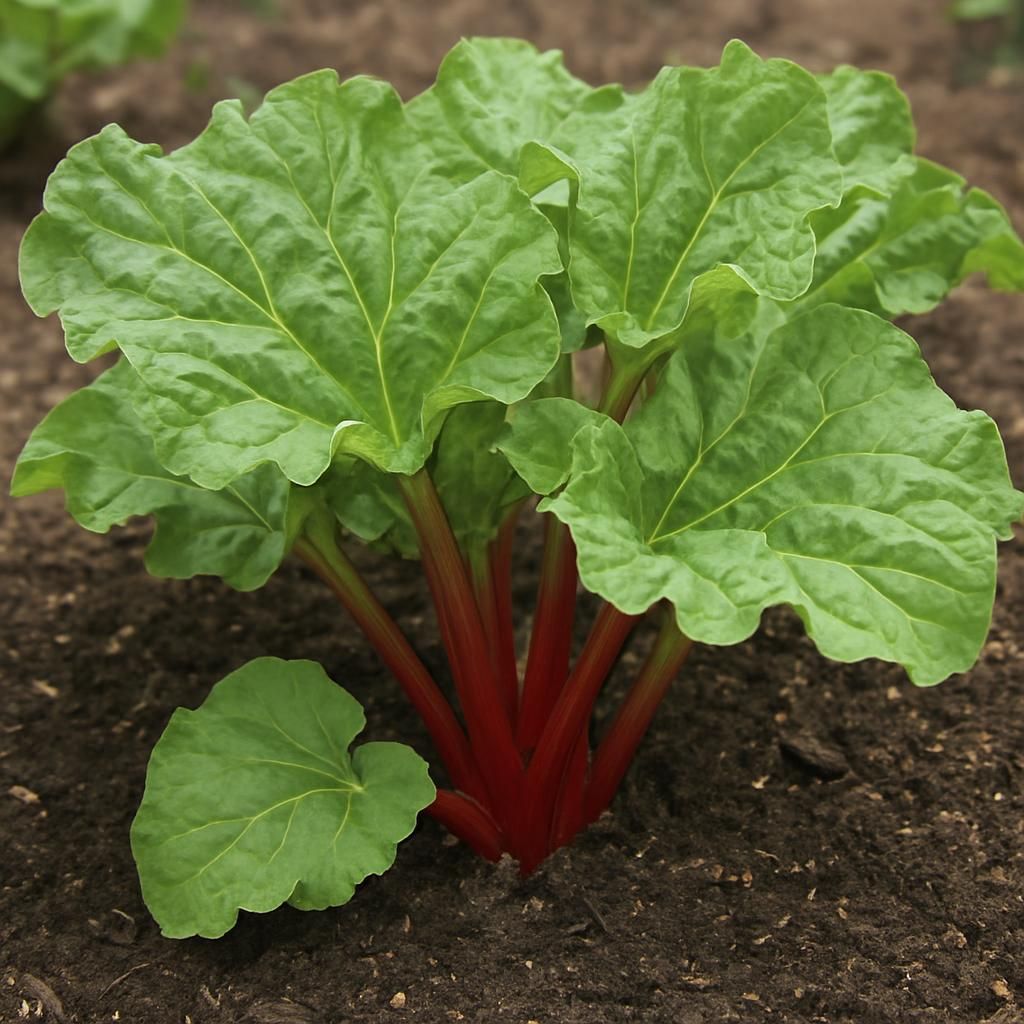
Rhubarb is a hardy perennial vegetable prized for its tart stalks, but gardeners often encounter puzzling symptoms that leave plants looking unhealthy or unproductive. Whether leaves are yellowing, stalks are thin, or the plant has begun flowering unexpectedly, these issues typically signal underlying stress from soil conditions, weather, pests, or disease. Understanding the specific signs allows for targeted, organic interventions that restore vigor without synthetic chemicals.
This guide walks through the most frequent rhubarb problems, their root causes, and step-by-step organic remedies that emphasize soil health and natural balance.
Common Causes
Rhubarb problems usually stem from a handful of environmental or cultural factors. The table below compares typical symptoms with their primary causes:
| Symptom | Likely Cause | Contributing Factors |\n|--------------------------|----------------------------------|------------------------------------------| | Yellowing or wilting leaves | Nutrient deficiency or overwatering | Poor drainage, compacted soil, low nitrogen | | Premature flowering (bolting) | Heat stress or age | Warm temperatures above 75°F, old crowns | | Thin or spindly stalks | Crowding or insufficient nutrients | Lack of division, low phosphorus | | Soft, rotting crowns | Fungal infection or excess moisture | Poor air circulation, heavy clay soils | | Brown leaf spots | Fungal leaf spot or anthracnose | Wet foliage, overhead watering |
Nutrient imbalances often appear first as yellowing because rhubarb is a heavy feeder that depletes soil nitrogen and potassium over time. Excessive moisture around the crown encourages crown rot pathogens, while hot spells trigger bolting as the plant shifts energy into seed production.
Step-by-Step Organic Solutions
1. Assess and Improve Soil Conditions
Begin by testing soil pH and drainage. Rhubarb prefers slightly acidic soil (pH 6.0-6.8) with rich organic matter.
- Dig a small test hole near the plant and observe how quickly water drains.
- If water pools, amend with 2-3 inches of well-rotted compost and coarse sand to increase aeration.
- Apply a balanced organic fertilizer such as composted manure or a 5-5-5 blend at 2 lbs per 100 square feet in early spring.
2. Address Yellowing Leaves
Yellow leaves usually indicate nitrogen deficiency or water stress.
- Side-dress with aged compost or a nitrogen-rich organic tea made from comfrey or nettle.
- Reduce watering frequency to once weekly, ensuring the top inch of soil dries between sessions.
- Mulch with 3 inches of straw to retain moisture and suppress weeds that compete for nutrients.
3. Manage Bolting and Flowering
Remove flower stalks as soon as they appear to redirect energy into stalk production.
- Cut flowering stems at the base with clean shears.
- Provide afternoon shade cloth during heat waves above 80°F.
- Divide overcrowded crowns every 4-5 years in early spring or fall to rejuvenate plants.
4. Treat Crown Rot and Fungal Issues
- Excavate affected plants and remove all soft, discolored tissue.
- Dust the remaining healthy crown with cinnamon or agricultural sulfur as a natural antifungal.
- Replant in a new location with improved drainage or raised beds.
- Water at the base only, never overhead, to keep foliage dry.
5. Control Pests Organically
Common pests include rhubarb curculio and aphids.
- Handpick visible beetles and drop them into soapy water.
- Spray a mild solution of insecticidal soap or neem oil on leaf undersides weekly.
- Encourage beneficial insects by planting Garlic or Onion nearby as companion plants.
Monitor progress weekly for four to six weeks. Most plants respond within one growing season when cultural conditions are corrected.
Prevention Tips
Prevent future problems through consistent cultural practices:
- Site rhubarb in full sun with at least six hours of direct light and excellent drainage.
- Maintain a 3-inch organic mulch layer year-round, pulling it back from the crown in spring.
- Fertilize annually with compost in March and again after harvest.
- Divide mature crowns every four years to prevent overcrowding and maintain productivity for up to 10-15 years.
- Rotate planting locations if disease has occurred, waiting at least three years before replanting rhubarb in the same spot.
- Choose disease-resistant varieties when available and source crowns from reputable suppliers.
By focusing on soil health, proper spacing, and timely organic interventions, gardeners can keep rhubarb productive and attractive season after season.
For related growing advice on cool-season crops, explore Strawberry cultivation techniques that share similar soil and moisture needs.