Introduction
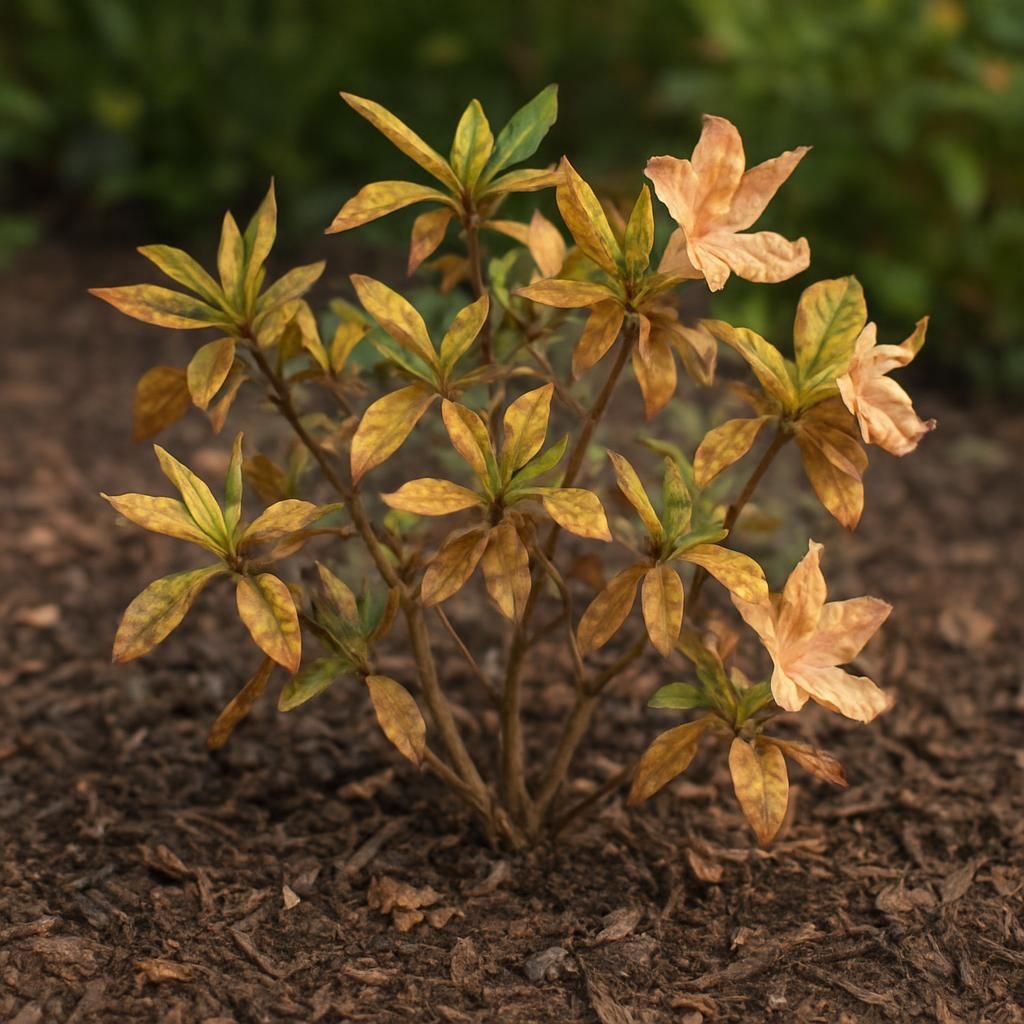
Seeing an azalea with wilting leaves, yellowing foliage, or sparse blooms can be alarming for any gardener. These beautiful acid-loving shrubs often show distress due to environmental mismatches rather than irreversible damage. Understanding the underlying issues allows you to take targeted action and restore vitality to your Azalea.
This guide covers the most frequent reasons azaleas struggle and provides practical, organic-first steps to bring them back to health.
Common Causes
Azaleas are sensitive to their growing conditions. The following table compares key symptoms with likely causes:
| Symptom | Likely Cause | Organic Indicator |
|---|---|---|
| Yellowing leaves | Incorrect soil pH | High alkalinity from lime or hard water |
| Wilting despite moist soil | Root rot or poor drainage | Fungal presence in compacted soil |
| Stunted growth | Nutrient deficiency | Low nitrogen or iron availability |
| Leaf drop and spots | Pest infestation | Visible aphids or lace bugs |
| Brown leaf edges | Water stress or heat | Inconsistent irrigation patterns |
Soil pH Imbalance
Azaleas thrive in acidic conditions between 4.5 and 6.0. When soil becomes too alkaline, iron uptake is blocked, leading to chlorosis.
Overwatering and Root Rot
Excess moisture encourages fungal pathogens that attack roots. This is especially common in heavy clay soils.
Nutrient Shortages
Nitrogen, phosphorus, and iron deficiencies manifest as pale or discolored foliage. Similar challenges appear in other acid-preferring plants such as Blueberry and Raspberry.
Pests and Environmental Stress
Lace bugs and aphids suck plant juices, while sudden temperature swings or transplant shock can weaken the shrub.
Step-by-Step Organic Solutions
Follow these sequential actions to diagnose and treat your azalea:
Assess the site and symptoms - Examine leaf color, soil moisture, and drainage. Dig a small hole near the roots to check for mushy, dark tissue indicating rot.
Test and amend soil pH - Use a simple home soil test kit. If pH reads above 6.0, apply elemental sulfur or pine needle mulch at a rate of 1-2 pounds per 100 square feet. Re-test after four weeks.
Improve drainage organically - Mix aged compost, pine bark, and coarse sand into the top 12 inches of soil. Create a slight mound when replanting to encourage water runoff.
Adjust watering practices - Provide deep watering once or twice weekly rather than frequent shallow sprinkles. Apply a 2-3 inch layer of organic mulch to retain moisture evenly.
Supply missing nutrients - Use compost tea or fish emulsion diluted to half strength every three weeks during the growing season. For iron deficiency, apply chelated iron derived from natural sources.
Manage pests naturally - Spray affected foliage with insecticidal soap or neem oil in early morning. Encourage beneficial insects by planting companion herbs nearby.
Prune and monitor - Remove dead wood with sterilized shears and observe new growth over the next 30-60 days.
Prevention Tips
Maintaining healthy azaleas requires ongoing attention to their specific needs:
- Plant in well-drained, acidic beds amended with organic matter from the start.
- Water consistently and avoid overhead irrigation that promotes fungal growth.
- Mulch annually with pine needles or shredded bark to suppress weeds and stabilize pH.
- Monitor nearby plants such as Blueberry for shared pest pressures.
- Fertilize lightly each spring with organic, acid-forming blends.
- Protect from extreme winter winds with burlap screens in cold climates.
Regular observation and timely organic interventions keep azaleas thriving for many seasons. With proper care, a struggling specimen can recover fully and produce abundant blooms year after year.