Introduction
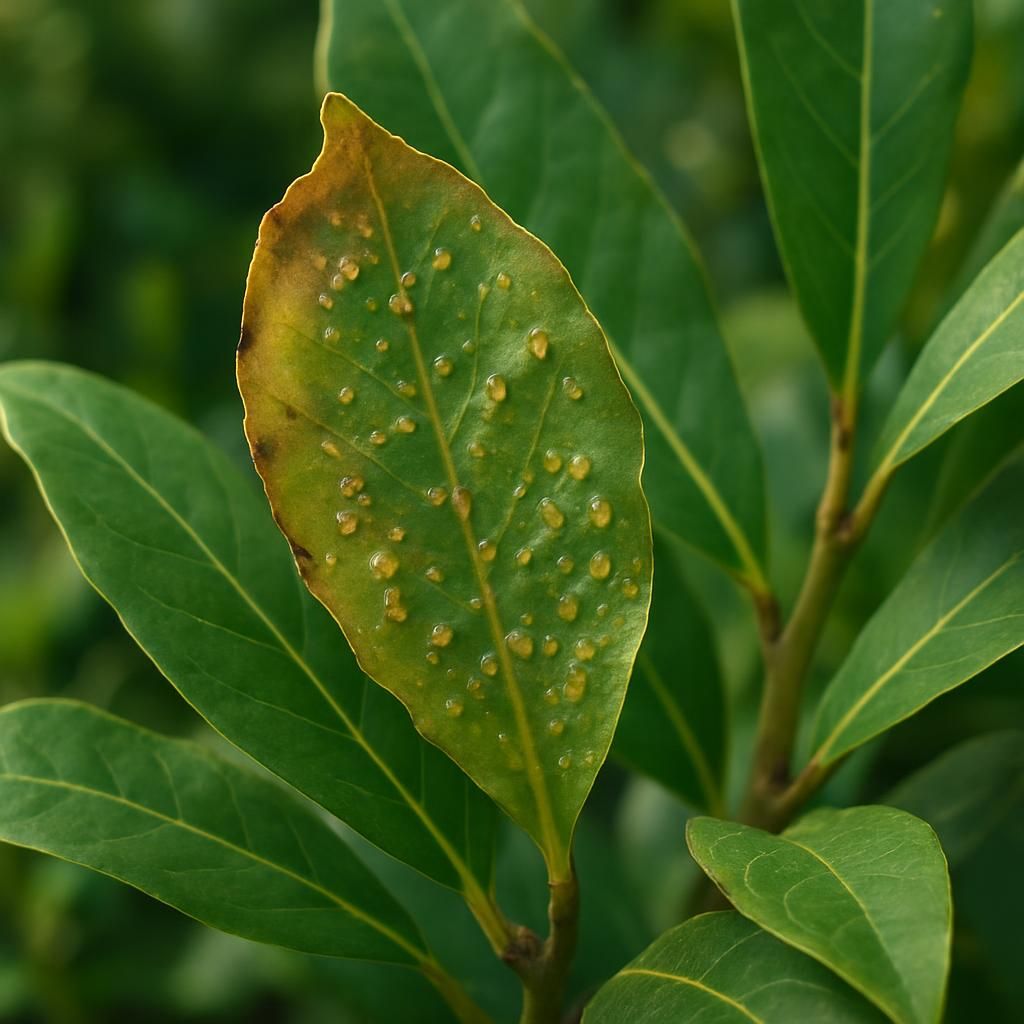
Laurel psyllid infestations can quickly turn vibrant foliage into a source of frustration for gardeners. These tiny sap-sucking insects target laurel species, causing leaf curling, yellowing, and sticky honeydew deposits that encourage sooty mold. Left unchecked, they weaken plants and reduce overall vigor. This guide provides an expert, organic-first approach to managing laurel psyllid problems through identification, targeted treatments, and long-term prevention.
Common Causes
Laurel psyllids thrive under specific conditions that favor their life cycle. Overcrowded plantings with poor air circulation create ideal microclimates for rapid reproduction. Warm spring temperatures often trigger egg hatching, while stressed plants from improper watering or nutrient imbalances become more susceptible. Similar sap-feeding issues appear in stone fruit crops such as Cherry, Peach, and Plum, where environmental stress also plays a major role.
| Factor | How It Contributes | Typical Signs |
|---|---|---|
| Warm spring weather | Accelerates egg hatch and nymph development | Sudden leaf curling in early season |
| Poor air flow | Retains humidity around leaves | Clusters of insects on new growth |
| Plant stress | Weakens natural defenses | Yellowing combined with sticky residue |
| Nearby infested plants | Serves as source for migration | Progressive spread through garden |
Step-by-Step Organic Solutions
Begin with cultural controls before introducing sprays. Prune out heavily infested shoots during dormant season to reduce overwintering eggs. Dispose of clippings away from the garden to prevent reinfestation.
Next, introduce beneficial insects. Lady beetles, lacewings, and parasitic wasps naturally suppress psyllid populations. Plant companion flowers such as yarrow or dill nearby to attract these predators.
For direct treatment, apply horticultural oils or insecticidal soaps. These smother nymphs and eggs without harming beneficials when used correctly.
- Monitor weekly by inspecting leaf undersides starting in early spring.
- Spray neem oil solution (1-2% concentration) at first sign of nymphs, repeating every 7-10 days as needed.
- Use strong water sprays to dislodge adults and nymphs on accessible branches.
- Apply kaolin clay barriers on foliage to deter feeding and egg-laying.
- Maintain consistent soil moisture and apply organic mulch to reduce plant stress.
| Treatment | Best Timing | Application Rate | Notes |
|---|---|---|---|
| Horticultural oil | Dormant and growing season | 1-2% solution | Avoid during extreme heat |
| Insecticidal soap | Active growth | Follow label | Safe for beneficial insects |
| Neem oil | Early infestation | 1% solution weekly | Also suppresses sooty mold |
| Beneficial insects | Spring through fall | Release as needed | Combine with habitat plants |
Prevention Tips
Establish regular scouting routines to catch problems early. Space laurel plants adequately for airflow and avoid excessive nitrogen fertilizers that promote tender growth favored by psyllids. Remove alternate host weeds and maintain diverse plantings that support natural enemies. In regions with heavy pressure, choose resistant laurel varieties when replanting. Consistent organic soil health practices, including compost applications, strengthen plant resilience against recurring outbreaks.
By combining vigilant monitoring with these organic methods, gardeners can effectively manage laurel psyllid while preserving beneficial garden life and avoiding synthetic chemicals.