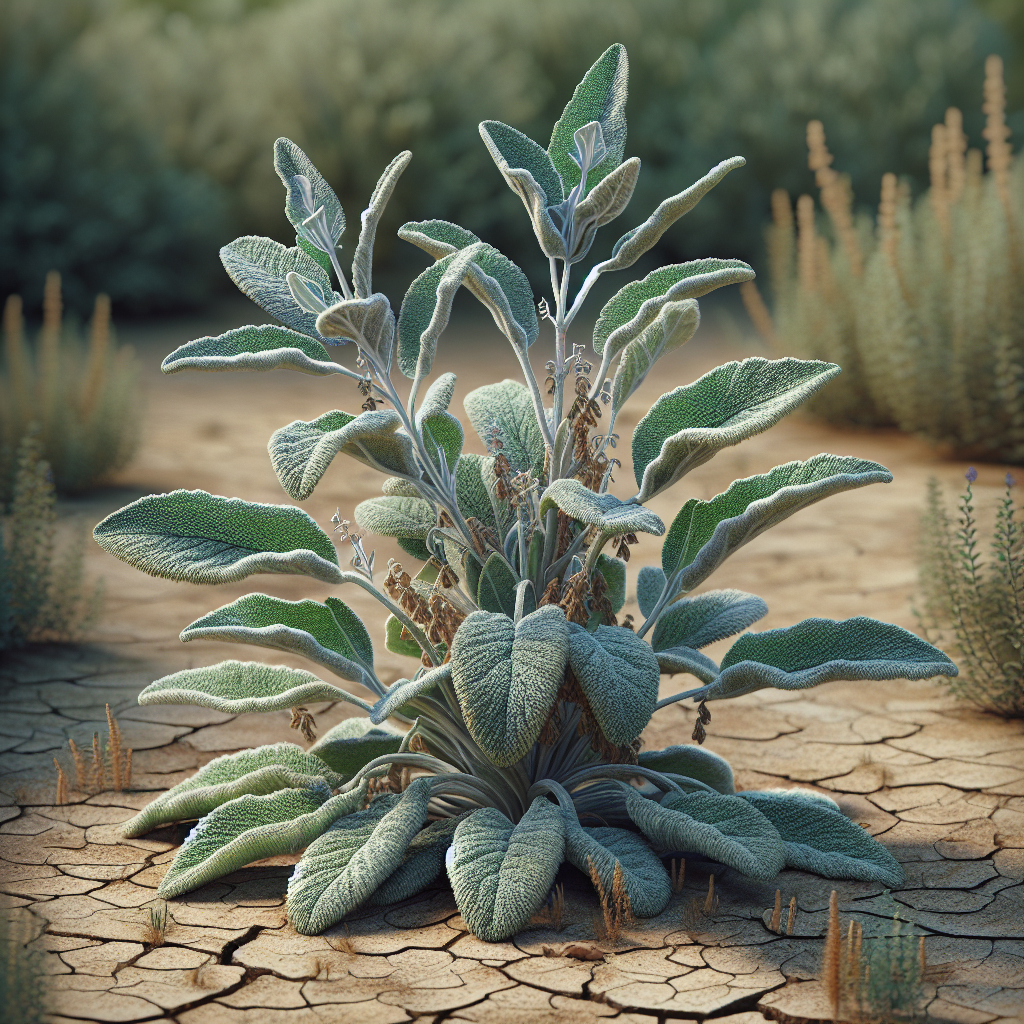
How to Fix Wilting Sage Leaves in Full Sun: Causes, Diagnosis, and Organic Solutions
Sage (Salvia officinalis), a resilient Mediterranean herb prized for its aromatic leaves and culinary uses, thrives in full sun and well-drained soil. However, discovering your sage plants with drooping, wilting leaves under intense sunlight is a common frustration for gardeners. This issue often signals stress from environmental factors, watering imbalances, or soil problems rather than the sun itself, as sage is naturally sun-loving. Left unaddressed, wilting can lead to leaf drop, stunted growth, or plant death. In this guide, we'll explore the root causes, provide a systematic diagnosis, and deliver practical, organic solutions to restore vigor to your sage. Whether you're growing it in pots, raised beds, or open ground, these steps will help you turn things around quickly.
Common Causes of Wilting Sage Leaves
Wilting occurs when the plant can't maintain turgor pressure in its cells, often due to water loss exceeding uptake. Sage's fuzzy, silvery leaves are adapted to reduce transpiration in hot, dry conditions, but several factors can overwhelm this resilience. Below, we break down the most frequent culprits with diagnostic clues.
1. Underwatering or Drought Stress
The leading cause in sunny exposures. Sage is drought-tolerant once established but needs consistent moisture during establishment or heatwaves.
- Symptoms: Leaves wilt during the hottest part of the day, recover slightly at night; soil dry 2-3 inches down.
2. Overwatering or Poor Drainage
Ironically, too much water suffocates roots, mimicking drought. Sage hates "wet feet."
- Symptoms: Persistent wilting even after watering; yellowing lower leaves, soggy soil, root rot smell.
3. Heat Stress and High Temperatures
Intense sun (>90°F/32°C) combined with low humidity accelerates evaporation.
- Symptoms: Uniform wilting across plant; scorched leaf edges; no recovery overnight.
4. Root Bound or Compacted Soil
Potted sage or crowded beds restrict roots, limiting water absorption.
- Symptoms: Wilting despite moist soil; slow growth; roots circling pot edges.
5. Pests and Diseases
Less common but possible: spider mites, aphids, or fungal issues like powdery mildew in humid sun.
- Symptoms: Webbing, sticky residue, white powdery spots alongside wilting.
Symptom Comparison Table
| Cause | Wilting Pattern | Soil Moisture | Leaf Color/Texture | Other Signs |
|---|---|---|---|---|
| Underwatering | Daytime droop, night recovery | Dry | Crispy edges, dull green | Cracked soil surface |
| Overwatering | Constant droop | Soggy | Yellow, mushy | Foul odor, black roots |
| Heat Stress | Rapid, uniform | Variable | Brown tips, brittle | No overnight recovery |
| Root Bound | Slow, patchy | Moist | Pale, thin | Stunted overall growth |
| Pests/Disease | Localized | Variable | Spots, webbing | Insects visible, honeydew |
Use this table to pinpoint the issue before treating. For companion planting, sage pairs well with sun-loving crops like tomato or thyme, which share similar needs.
Step-by-Step Organic Solutions
Act promptly--sage recovers well if addressed early. Always start with non-invasive checks. These organic methods prioritize soil health and plant resilience without chemicals.
Step 1: Diagnose Soil Moisture (5-10 minutes)
- Dig 2-4 inches into soil near roots. If bone-dry, underwatering is likely. If waterlogged, improve drainage.
- Quick Test: Insert a wooden stick or finger--if it comes out clean and dry, water deeply.
Step 2: Water Correctly (Immediate Action)
- For Underwatering: Water deeply at the base (1-2 inches/week for established plants, more in pots). Use room-temperature water to avoid shock. Morning watering prevents fungal issues.
- Frequency Guide:
Plant Stage Water Needs (per week) Seedlings/New 2-3 times Established In-Ground 1 time (deep soak) Pots/Containers Every 2-4 days Heatwave (>95°F) 2 times, shaded PM - Avoid shallow sprinkles; aim for soil penetration to 12 inches.
Step 3: Enhance Drainage and Aeration
- For soggy soil, mix in 30-50% organic matter: compost, aged manure, or perlite/sand.
- Raised Beds/Pots: Elevate 6-8 inches; use terracotta pots for breathability.
- Gently aerate compacted soil with a garden fork, avoiding root damage.
Step 4: Provide Temporary Shade and Mulch
- Erect 30-50% shade cloth during peak heat (first 1-2 weeks).
- Apply 2-3 inches organic mulch (straw, bark, or shredded leaves) to retain moisture and cool roots. Keep mulch 2 inches from stems to prevent rot.
Step 5: Prune and Fertilize Organically
- Trim 20-30% of wilted foliage to reduce stress; use cuttings for propagation.
- Apply diluted seaweed extract or compost tea (1:10 ratio) every 2 weeks for micronutrients. Avoid high-nitrogen fertilizers, which promote soft growth.
Step 6: Treat Pests Organically (If Present)
- Spider Mites/Aphids: Blast with strong water stream; apply neem oil (1 tsp/gallon) weekly.
- Fungi: Improve air circulation; use baking soda spray (1 tbsp/gallon + dash dish soap).
Step 7: Repot or Transplant if Root Bound
- Gently remove plant, tease apart circling roots, and replant in fresh, gritty mix (50% potting soil, 30% compost, 20% sand/perlite).
Monitor for 7-10 days--new growth indicates success. If no improvement, test soil pH (ideal 6.0-7.0) with a home kit and amend with lime (for acidity) or sulfur (for alkalinity).
Prevention Tips for Thriving Sage in Full Sun
Prevention beats cure. Sage can live 5-10 years with proper care.
Site Selection: Full sun (6-8 hours), south-facing, sheltered from wind. Pair with drought-tolerant companions like eggplant for mutual benefits.
Soil Prep: Well-drained, loamy soil. Amend clay with gypsum; sandy with compost.
Watering Routine: Deep, infrequent--let top 1-2 inches dry between waterings. Drip irrigation excels for consistency.
Mulching Year-Round: Maintain 2-inch layer to moderate soil temperature and moisture.
Seasonal Care:
- Spring: Prune 1/3 for bushiness.
- Summer: Shade young plants; harvest regularly.
- Fall/Winter: Minimal water; mulch heavily in cold zones.
Propagation: Root stem cuttings in sand for clones adapted to your microclimate.
Varietal Choice: Opt for heat-tolerant varieties like 'Berggarten' or 'Tricolor' for hotter climates.
Long-Term Monitoring Table
| Month/Season | Key Tasks | Expected Plant Response |
|---|---|---|
| Spring | Prune, fertilize lightly | Bushy new growth |
| Summer | Deep water, mulch, shade if >95°F | Firm leaves, no wilt |
| Fall | Reduce water, harvest | Semi-dormant, woody stems |
| Winter | Protect roots, minimal water | Evergreen in mild zones |
By integrating these practices, your sage will not only recover but flourish, providing endless harvests. Common mistakes like overhead watering or heavy clay soil are easily avoided with vigilance. For related herbs, check care tips for thyme, which shares sage's sun and drainage preferences.
(Word count: 1024)