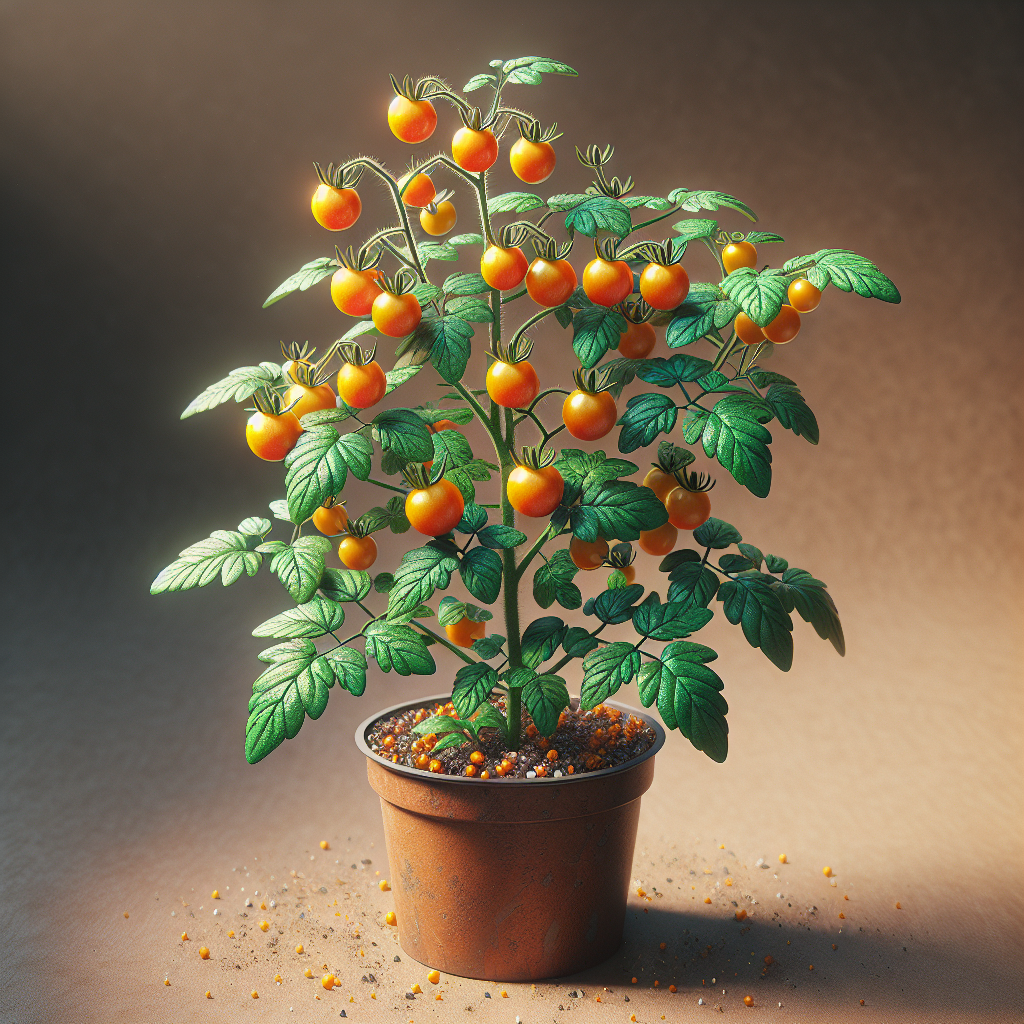
How to Fix Stunted Growth in Sungold Cherry Tomato Plants Still Producing Fruit
Introduction
Sungold cherry tomatoes (Cherry Tomato (Sungold)) are prized for their sweet, golden fruits and vigorous, indeterminate growth habit, which allows them to reach heights of 6-10 feet under ideal conditions. However, many gardeners notice their plants producing abundant tomatoes yet failing to grow upward, remaining stunted at 2-3 feet tall. This frustrating issue signals that while reproductive growth (fruiting) is thriving, vegetative growth (stems, leaves, and height) is stalled. Left unaddressed, it can reduce overall yield and plant health.
Common in containers, greenhouses, or nutrient-poor soils, this problem often stems from environmental stress, nutrient imbalances, or root constraints. The good news? With organic diagnostics and remedies, you can redirect energy back to upward growth without harming fruit production. This guide provides expert, practical steps to diagnose and resolve the issue, ensuring your Tomato plants thrive through the season.
Common Causes of Stunted Growth in Fruiting Sungold Tomatoes
Understanding the root (pun intended) of the problem is key. Sungold plants prioritize fruit set when resources are limited, diverting energy from height. Here are the most frequent culprits:
1. **Nutrient Imbalances**
- Nitrogen Deficiency: Nitrogen fuels leafy, stem growth. Fruiting plants deplete soil nitrogen rapidly, leading to yellowing lower leaves and halted height while fruits develop.
- Potassium or Phosphorus Excess/Deficiency: High potassium promotes fruiting but can suppress vegetative growth if nitrogen is low. Imbalanced ratios stunt stems.
- Calcium or Magnesium Shortages: These support cell expansion; deficiencies cause weak stems unable to support height.
2. **Root System Problems**
- Pot-Bound Roots: In containers, roots circling the pot restrict water and nutrient uptake, prioritizing fruit over expansion.
- Compacted or Poor Soil: Heavy clay or waterlogged soil suffocates roots, limiting growth.
3. **Water Stress**
- Inconsistent Watering: Alternate dry/wet cycles stress roots, causing the plant to "focus on fruits" as a survival mechanism.
- Overwatering: Leads to root rot, mimicking nutrient issues.
4. **Environmental Factors**
- Insufficient Light: Less than 6-8 hours of direct sun daily limits photosynthesis for height.
- Temperature Extremes: Below 55°F (13°C) nights or above 90°F (32°C) days slow stem elongation.
- High Humidity: Encourages fungal issues that sap energy.
5. **Pests and Diseases**
- Root-Knot Nematodes or Fungal Pathogens: Invisible below-ground attackers stunt roots without aboveground symptoms.
- Aphids or Spider Mites: Suck sap, weakening stems.
6. **Heavy Fruit Load**
Indeterminate varieties like Sungold naturally fruit heavily, but without pruning, energy goes entirely to tomatoes, stunting the main vine.
Observing symptoms like pale leaves, wilting despite moisture, or slow internode spacing helps pinpoint the cause.
Step-by-Step Organic Solutions
Act quickly--test soil first (kits available at garden centers) for pH (ideal 6.0-6.8) and nutrients. Here's a systematic organic fix:
Step 1: **Diagnose Precisely (1-2 Days)**
- Inspect Roots: Gently remove from pot/soil. Healthy roots are white/fibrous; brown mushy ones indicate rot; circling means pot-bound.
- Check Soil Moisture: Insert finger 2 inches deep--damp, not soggy.
- Examine Leaves/Stems: Yellow veins? Nitrogen low. Curled leaves? Pests.
- Measure Light/Temp: Use a meter; track daily highs/lows.
Step 2: **Address Root and Soil Issues (Immediate)**
- Repot if Pot-Bound: Choose a 5-10 gallon container with drainage. Use organic potting mix (coco coir, compost, perlite). Tease apart roots, trim dead ones, and plant deep (bury stem to first leaves for more roots).
- Amend Garden Soil: Loosen with fork to 12 inches deep. Mix in 2-4 inches compost or aged manure for aeration and nutrients.
- Mulch: Apply 2-3 inches straw or wood chips to retain moisture and suppress weeds.
Step 3: **Balance Nutrients Organically (Ongoing)**n- **Nitrogen Boost**: Side-dress with **blood meal** (12-0-0) or **fish emulsion** (5-1-1)--1 tbsp/gallon water, apply every 2 weeks. For [Roma Tomato](/wiki/roma-tomato) relatives, this works similarly.
- Compost Tea: Brew aerated compost tea (compost + molasses + water, bubbled 24-48 hours) for balanced microbes/nutrients. Foliar spray weekly.
- Epsom Salt for Magnesium: 1 tbsp/gallon water, monthly foliar spray.
- Banana Peel Fertilizer: Bury peels around base for potassium without excess.
Application Tip: Water deeply post-fertilizing; avoid leaves to prevent burn.
Step 4: **Optimize Water and Environment (Daily)**
- Water Deeply, Infrequently: 1-2 inches/week, morning only. Use drip irrigation.
- Relocate for Sun: Ensure 8+ hours full sun; supplement with grow lights if indoors.
- Prune Strategically: Remove suckers (leaf axil shoots) and lower leaves. Thin fruits to 4-6 per cluster--energy redirects to vine growth.
Step 5: **Combat Pests/Diseases Organically**
- Neem Oil: Spray for aphids/mites (dilute 1 tsp/gallon + soap). Repeat 3 days.
- Beneficial Nematodes: For root-knot, apply to soil.
- Cinnamon Root Dip: Dust roots with cinnamon powder as antifungal during repotting.
Step 6: **Monitor Progress (1-2 Weeks)**
New growth should appear in 7-10 days. If not, test for diseases via extension service.
Pro Tip: Trellis with cages or stakes immediately--support encourages upward reach.
Prevention Tips for Future Seasons
- Start Strong: Plant disease-free Sungold seedlings in rich, well-draining soil. Rotate crops yearly (avoid tomato family spots).
- Soil Testing Annually: Maintain pH and amend proactively with cover crops like clover.
- Consistent Care Routine: Mulch, water evenly, prune weekly. Use row covers for temp swings.
- Variety Selection: Pair with bushier types like Beefsteak Tomato for diversity.
- Organic Mulching: Suppresses issues; adds nutrients as it breaks down.
By focusing organic inputs, your Sungold plants will not only recover but produce bountifully. Expect 4-6 inches weekly growth post-fix. Happy gardening!
(Word count: 912)