Introduction
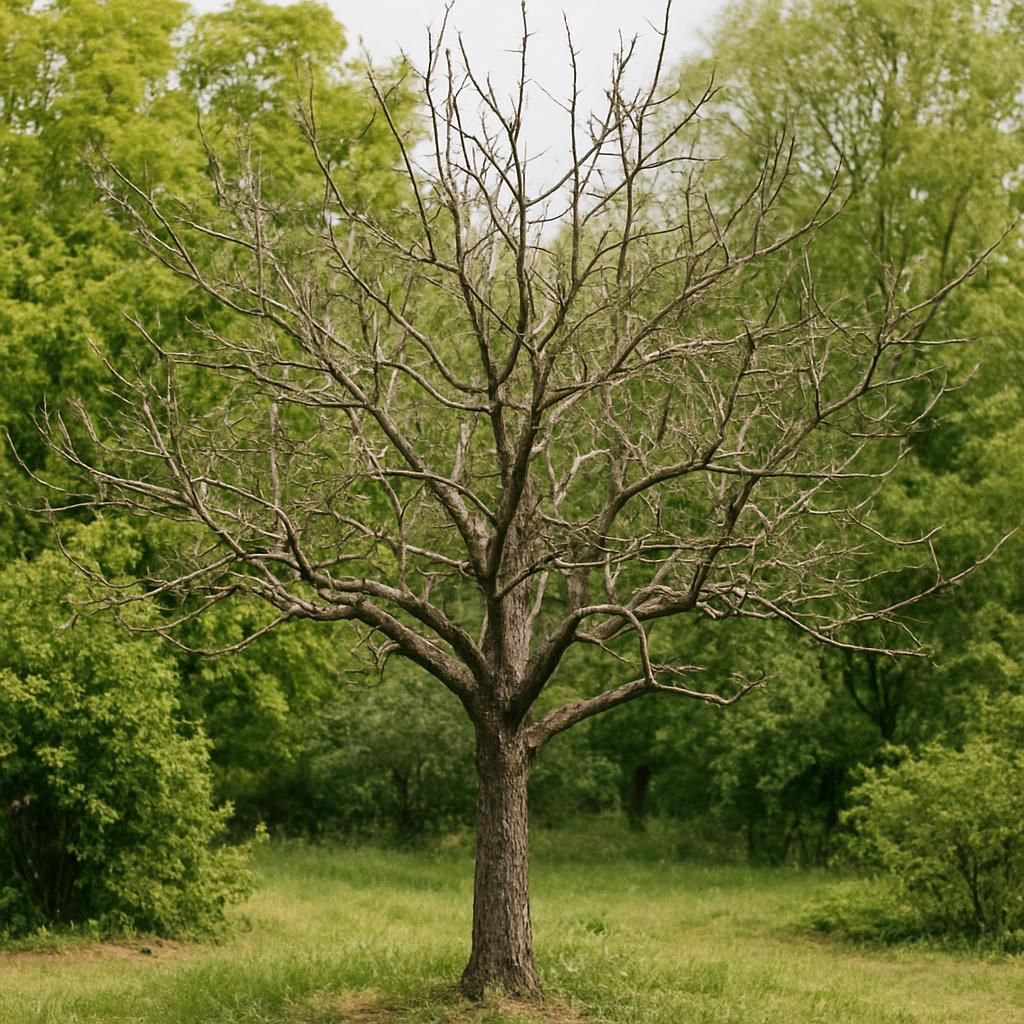
Apple trees require a period of winter dormancy to rest and prepare for the growing season. When your tree appears to be "oversleeping"--failing to produce buds, leaves, or flowers at the expected time--it can be frustrating for gardeners. This delayed emergence from dormancy is often linked to weather patterns, tree health, or varietal requirements. Understanding the underlying causes allows you to take targeted, organic actions that restore normal growth without relying on synthetic chemicals.
Common Causes
Several factors can prevent an apple tree from breaking dormancy on schedule. Identifying the specific issue is the first step toward resolution.
Insufficient or Excessive Chilling Hours
Apple varieties need a precise number of chilling hours (typically 500-1,000 hours below 45°F) during winter. In regions with mild winters, trees may not accumulate enough chill. Conversely, unusually cold or prolonged winters can sometimes delay bud break.
Late Spring Frost or Temperature Fluctuations
A sudden warm spell followed by frost can damage emerging buds, causing the tree to remain dormant longer as a protective response. Climate variability is increasingly common and directly affects Apple trees.
Poor Tree Health or Nutrient Deficiencies
Weak trees stressed by compacted soil, inadequate organic matter, or micronutrient shortages often delay spring awakening. Root damage or girdling roots can also restrict water and nutrient uptake.
Age, Variety, and Pruning Issues
Young trees or those recently transplanted may take longer to establish dormancy cycles. Some low-chill varieties perform poorly in colder climates. Over-pruning in late winter can remove buds needed for spring growth.
| Cause | Typical Symptoms | Affected Regions |
|---|---|---|
| Insufficient chill | No swelling buds by mid-spring | Mild winter areas |
| Frost damage | Brown or blackened buds | Variable spring climates |
| Nutrient stress | Sparse foliage overall | Poor soil sites |
| Variety mismatch | Consistent yearly delay | Inappropriate cultivar choice |
Step-by-Step Organic Solutions
Follow these practical steps to help your apple tree resume normal growth using organic practices.
Assess Chilling Requirements - Research your specific variety's chill-hour needs using local extension resources. Record winter temperatures if possible to understand accumulation.
Monitor and Protect Buds - Install floating row covers or burlap barriers during late frosts. Remove covers during the day to allow sunlight and air circulation.
Improve Soil Health - Apply a 2-3 inch layer of well-rotted compost around the drip line in early spring. Avoid piling material against the trunk. This encourages microbial activity and better nutrient availability.
Apply Organic Fertilizers - Use a balanced organic fertilizer high in nitrogen, such as blood meal or well-aged manure, once soil temperatures reach 50°F. Water thoroughly after application.
Prune Strategically - Remove only dead or crossing branches in late winter. Delay heavy pruning until after bud break to avoid stimulating late growth.
Provide Supplemental Water - Ensure consistent moisture (about 1 inch per week) once buds begin to swell. Mulch helps retain soil moisture and moderate temperature swings.
Consider Dormancy-Breaking Sprays (Organic Options) - In extreme cases, apply dormant oil or a mild seaweed extract spray in late winter to support tree vigor without forcing unnatural growth.
Prevention Tips
Prevent future dormancy issues by selecting appropriate varieties for your climate zone and planting Apple trees in well-drained locations with full sun. Maintain consistent organic soil amendments each season and monitor local weather forecasts during critical periods. Pair apple plantings with compatible pollinators such as Pear or Cherry trees to support overall orchard health. Regular observation and early intervention keep trees productive for decades.
By addressing chilling needs, protecting against weather extremes, and building soil vitality, you can help your apple tree wake up reliably each spring and produce abundant fruit.