Introduction
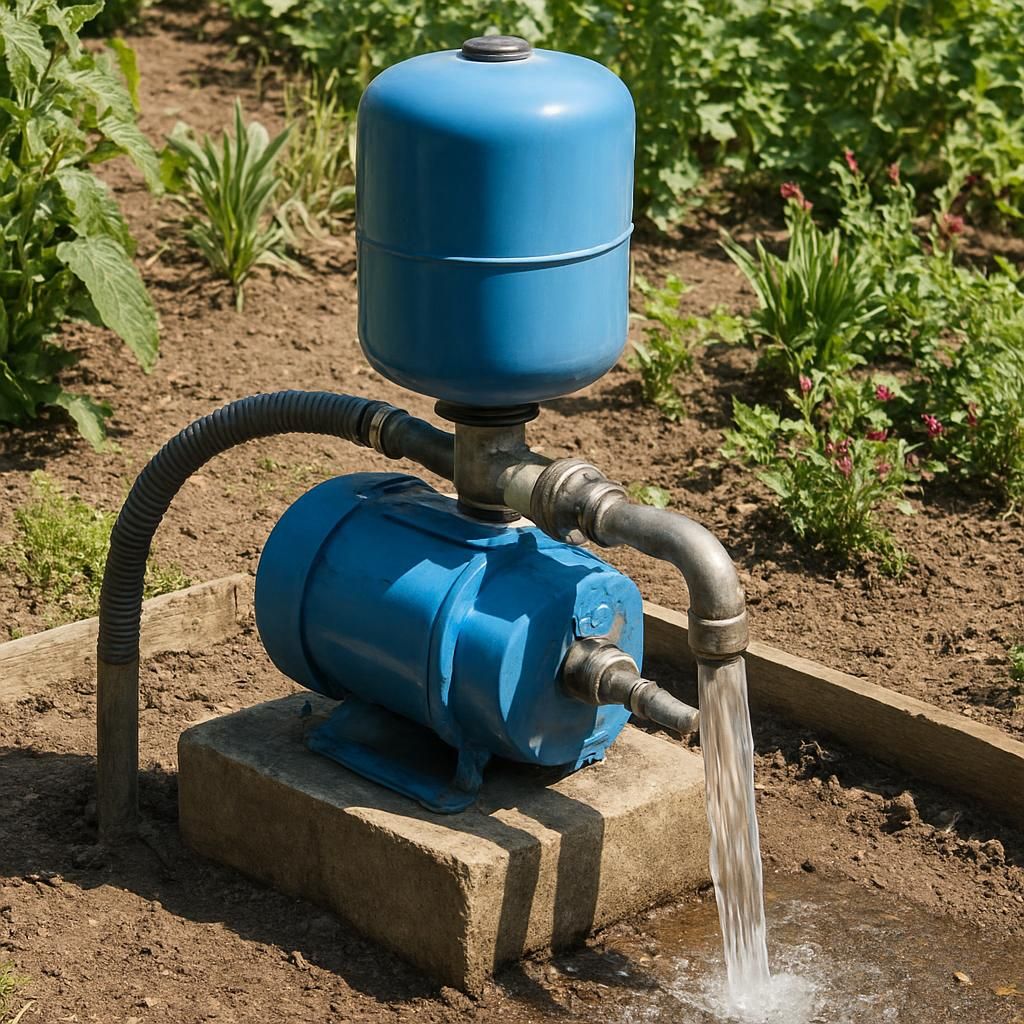
A shallow well pump that turns on but produces no water or suction is a common issue for homesteaders and gardeners relying on private water sources for irrigation. This problem often stems from loss of prime, air infiltration, or mechanical obstructions rather than complete pump failure. Addressing it promptly prevents damage to crops such as Tomato, Lettuce, and Potato that depend on consistent moisture.
Common Causes
Several factors can prevent suction even when the motor runs. Use the table below to identify likely culprits.
| Cause | Symptoms | Likelihood |
|---|---|---|
| Air leak in suction line | Hissing sounds, rapid cycling | High |
| Foot valve failure | Pump loses prime overnight | High |
| Low water level | Pump runs dry after short time | Medium |
| Clogged intake screen | Reduced flow before total stop | Medium |
| Worn impeller | Motor hums but little movement | Low |
Step-by-Step Organic Solutions
Begin with the simplest checks before disassembling components.
1. Verify Power and Prime
Confirm the pump receives full voltage. Then re-prime the system by filling the suction line and pump housing with water through the priming port. Allow air to escape completely.
2. Inspect for Air Leaks
Examine all joints, unions, and the suction pipe for cracks or loose fittings. Tighten connections and replace any damaged sections with schedule-40 PVC or polyethylene rated for underground use. Bury the line at least 12 inches deep to reduce temperature fluctuations that can introduce air.
3. Check and Clean the Foot Valve
Shut off power and remove the suction line. Test the foot valve by blowing through it; air should pass one way only. Clean debris or replace the valve if it sticks open.
4. Measure Static Water Level
Use a weighted string or electronic sounder to determine if the water table has dropped below the intake. If necessary, lower the pump or install a deeper drop pipe.
5. Clear Intake Obstructions
Pull the pump if possible and inspect the intake screen. Rinse away sediment or mineral buildup. Avoid harsh chemicals; a mild vinegar solution works well for organic maintenance.
Prevention Tips
- Schedule annual inspections of the entire suction assembly before peak irrigation season.
- Install a pressure gauge and cycle counter to spot performance drops early.
- Maintain at least 10 feet of submergence on the intake during dry periods.
- Use food-grade silicone grease on O-rings instead of petroleum products.
- Consider a variable-speed drive to reduce wear during low-demand periods.
Reliable water delivery protects garden productivity and reduces emergency repairs. Consistent monitoring keeps systems running efficiently year after year.