Introduction
A holly tree that begins to lose its vibrant green foliage or shows signs of wilting can be alarming for any gardener. Holly trees are prized for their glossy evergreen leaves and bright berries, yet they are susceptible to several environmental stresses, pests, and diseases that can lead to gradual or sudden decline. Understanding the underlying cause is the first step toward recovery. This guide walks through the most frequent reasons for holly tree distress and provides practical, organic-first strategies to nurse the plant back to health.
Common Causes
Holly decline rarely has a single explanation. Multiple factors often interact, making accurate diagnosis essential. Below are the primary culprits.
Root Rot and Poor Drainage
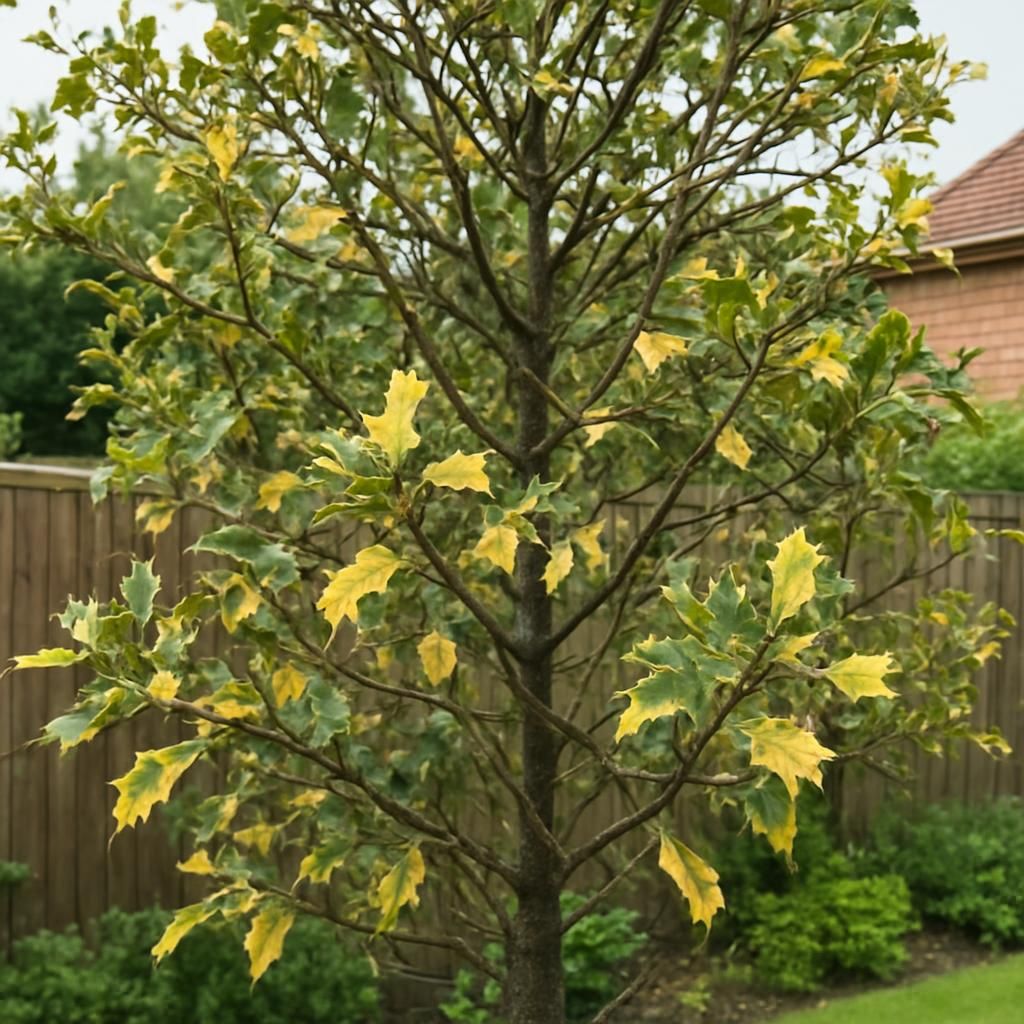
Excessive soil moisture is one of the leading causes of holly death. Holly roots require well-aerated soil. When water sits around the root zone, fungal pathogens such as Phytophthora or Pythium attack the roots, causing them to turn brown and mushy. Symptoms include yellowing leaves that drop prematurely, branch dieback starting from the tips, and a general thinning canopy.
Nutrient Deficiencies
Holly species prefer slightly acidic soil with a pH between 5.0 and 6.5. When soil pH rises above this range, iron and manganese become unavailable, producing interveinal chlorosis (yellow leaves with green veins). Magnesium deficiency may also appear as older leaves turning reddish-purple.
Pests
Several insects target holly. The holly leaf miner creates serpentine tunnels inside leaves, while scale insects and spider mites suck sap from stems and foliage, leading to stunted growth and sooty mold. Severe infestations weaken the tree over multiple seasons.
Environmental Stress
Winter burn, drought, or transplant shock can mimic disease symptoms. Newly planted hollies are especially vulnerable during their first two years while establishing root systems.
| Symptom | Likely Cause | Typical Timing |
|---|---|---|
| Yellowing leaves with green veins | Iron deficiency or root rot | Spring through summer |
| Brown leaf edges and curling | Winter burn or spider mites | Late winter or dry spells |
| Tiny serpentine trails in leaves | Holly leaf miner | Late spring |
| Sticky honeydew and black mold | Scale insects | Year-round |
Step-by-Step Organic Solutions
Once you identify the cause, begin treatment immediately. Always start with the least invasive methods.
Improve Drainage
- Dig a 12-inch-deep hole near the tree and fill it with water. If water remains after 24 hours, drainage is inadequate.
- Create a shallow drainage trench or transplant the tree to a raised bed amended with compost and pine bark.
- Apply a 2-3 inch layer of organic mulch, keeping it 6 inches away from the trunk to prevent rot.
Adjust Soil pH and Fertility
- Test soil pH using a home kit. If above 6.5, apply elemental sulfur at 1-2 pounds per 100 square feet, worked into the top 6 inches of soil.
- Feed with composted pine needles or aged oak leaves to maintain acidity. Avoid high-nitrogen fertilizers that encourage soft growth attractive to pests.
Treat Pests Organically
- For leaf miners, remove and destroy affected leaves in fall.
- Spray horticultural oil or neem oil in early spring before new growth emerges to smother scale and mite eggs.
- Introduce beneficial insects such as lady beetles and predatory mites to reduce pest populations naturally.
Prune and Sanitize
- Remove dead or diseased branches with sterilized pruners. Cut back to healthy wood, making 45-degree angled cuts.
- Dispose of clippings away from the garden to reduce disease spread.
Water Wisely
- Provide 1 inch of water per week during dry periods, applied slowly at the drip line. Deep, infrequent watering encourages deep roots.
Prevention Tips
Healthy hollies resist problems better than stressed ones. Follow these practices year-round:
- Plant Holly in full sun to partial shade with protection from harsh winter winds.
- Choose disease-resistant cultivars suited to your USDA zone.
- Maintain a consistent mulch layer and replenish annually.
- Monitor soil pH every two years and correct imbalances promptly.
- Companion plant with acid-loving species such as Blueberry or Raspberry to create a supportive microclimate.
- Inspect foliage monthly for early signs of pests or discoloration.
By combining careful observation with organic cultural practices, most declining holly trees can be restored within one or two growing seasons. Patience and consistent care are key to long-term success.