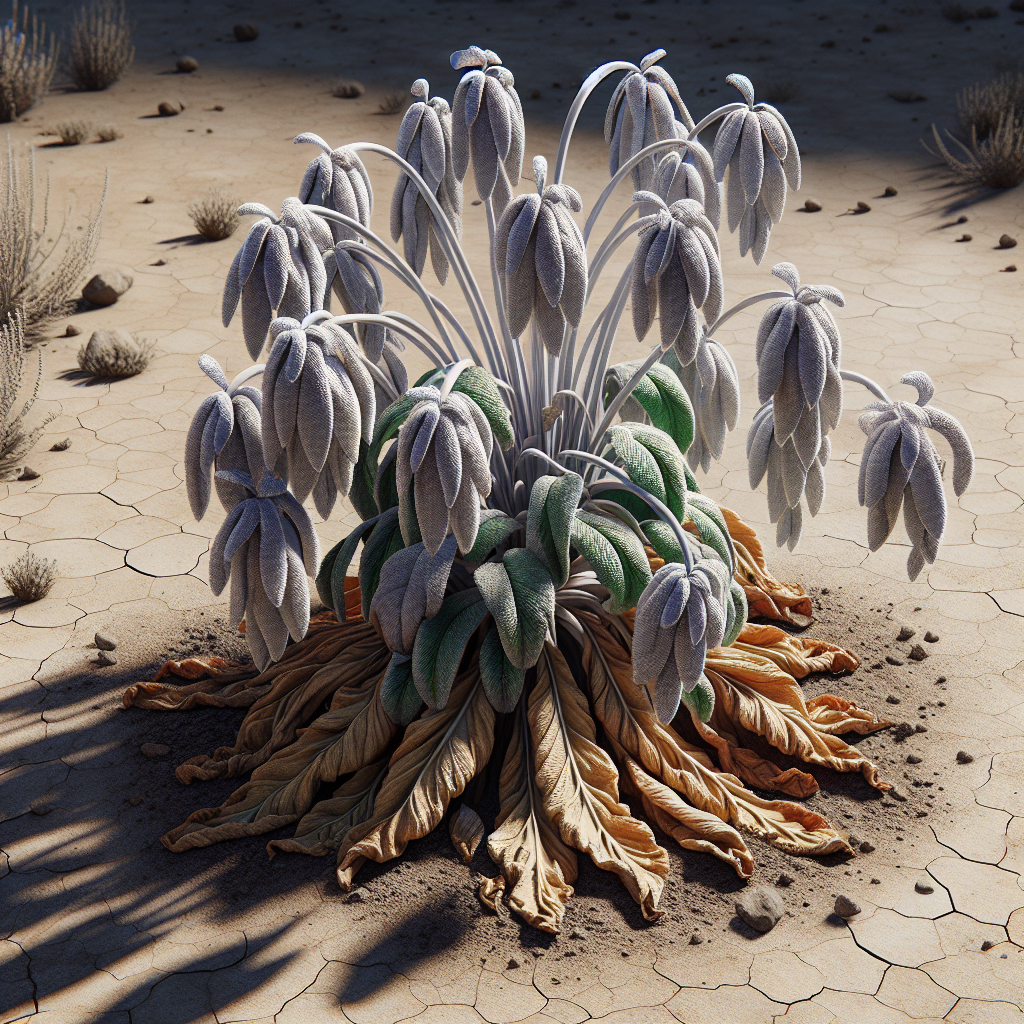
How to Diagnose and Fix Wilting Leaves on Sage Plants: Organic Solutions for Healthy Growth
Sage plants, whether the culinary Thyme-like Salvia officinalis (common garden sage) or the ornamental Russian Sage (Perovskia atriplicifolia), are prized for their aromatic foliage, drought tolerance, and pest-repelling qualities. They're often planted near tomato crops to deter insects. However, wilting leaves--especially noticeable in the sun--can signal underlying stress, turning vibrant plants limp and droopy. This guide addresses the frustration of "What's wrong with my sage?!" by breaking down causes, providing organic remedies, and offering prevention strategies to restore your plants to full vigor.
Wilting occurs when sage can't maintain turgidity, often due to water imbalances, poor soil, or environmental factors. Both types of sage thrive in well-drained, sandy soils and full sun, but mismanagement leads to rapid decline. Early intervention is key, as prolonged stress invites pests and diseases. Let's diagnose and fix it organically.
Common Causes of Wilting Sage Leaves
Sage wilting is rarely random. Below is a table comparing primary causes, symptoms, and diagnostic clues to pinpoint your issue quickly.
| Cause | Key Symptoms | Diagnostic Clues | Affected Sage Type |
|---|---|---|---|
| Overwatering/Root Rot | Leaves wilt despite moist soil; yellowing bases; mushy roots; foul odor | Soil stays soggy >3 days; black, slimy roots when dug up | Both common & Russian |
| Underwatering/Drought | Leaves dry, crispy edges; wilting in midday sun; soil pulls from pot edges | Soil bone-dry 2+ inches deep; recovers overnight if watered | Both |
| Heat/Sun Stress | Sudden droop in hot sun; leaf scorch (brown tips); no recovery at night | Temps >90°F (32°C); full sun exposure without mulch | Russian Sage more tolerant |
| Poor Drainage/Compaction | Uniform wilting; stunted growth; water pools on surface | Heavy clay soil; no improvement after watering | Common sage |
| Pests (e.g., Spider Mites, Aphids) | Wilting with stippling, webbing, sticky residue; tiny insects visible | Underside leaf inspection reveals pests; hot, dry conditions favor them | Both |
| Diseases (Powdery Mildew, Root Fungi) | Wilting + white powdery coating; fuzzy growth on stems | High humidity + poor air flow; yellowing veins | Common sage |
| Nutrient Imbalance | Wilting + pale leaves, purple undersides; slow growth | Alkaline soil (pH>7.5); nitrogen deficiency | Both |
Inspect your plant: Check soil moisture with a finger test (1-2 inches deep), examine roots if possible, and note weather patterns. Russian Sage, with its silvery stems, often wilts from wet feet, while common sage suffers in overly fertile, moist gardens.
Step-by-Step Organic Solutions
Act fast with these organic, chemical-free fixes. Tailor to your diagnosis for best results.
1. Address Overwatering and Root Rot
Overwatering is the #1 sage killer--its Mediterranean roots hate wet feet.
- Step 1: Stop all watering for 5-7 days. Let soil dry completely.
- Step 2: Gently unearth the plant. Trim black, mushy roots with sterilized shears; dust cuts with cinnamon (natural antifungal).
- Step 3: Repot in gritty mix: 50% potting soil, 30% sand/perlite, 20% compost. Elevate in raised beds or mounds for garden plants.
- Step 4: Water only when top 2 inches are dry (every 7-10 days). Use drip irrigation to avoid leaf wetting.
- Expected Recovery: New growth in 2 weeks. Success rate: 80% if <50% roots affected.
2. Correct Underwatering
Sage is drought-tolerant but wilts dramatically without consistent moisture.
- Step 1: Deep water slowly until it drains out (1 inch/week for established plants).
- Step 2: Mulch with 2-3 inches of organic bark or gravel to retain moisture and cool roots.
- Step 3: Shade cloth (30% shade) during heatwaves >95°F.
- Step 4: Mist leaves early morning if humidity <40%.
- Pro Tip: Russian Sage bounces back overnight; common sage may need 2-3 waterings.
3. Mitigate Heat and Sun Stress
Sage loves sun but wilts in extreme heat.
- Step 1: Provide afternoon shade with burlap or companion plants like onion for dappled light.
- Step 2: Apply 2-inch organic mulch to insulate soil.
- Step 3: Water deeply at dawn or dusk to reduce evaporation.
- Step 4: Prune 20% of top growth to reduce transpiration stress.
4. Improve Soil Drainage and Nutrition
Compacted soil suffocates roots.
- Step 1: Aerate soil with a garden fork (6 inches deep, avoid roots).
- Step 2: Amend with 30% coarse sand or gypsum (for clay). Test pH (ideal 6.0-7.0); add sulfur if >7.5.
- Step 3: Apply compost tea (1 cup compost per gallon water, fermented 3 days) monthly for nutrients.
- Step 4: Foliar feed with diluted seaweed extract (1:10) for micronutrients.
5. Combat Pests Organically
Pests weaken stems, causing wilt.
- Step 1: Blast with strong water stream (undersides).
- Step 2: Apply neem oil (1 tsp per quart water + 1 tsp dish soap) weekly at dusk.
- Step 3: Introduce ladybugs or predatory mites.
- Step 4: Plant nasturtiums nearby as trap crops.
6. Treat Diseases
Fungi thrive in damp conditions.
- Step 1: Improve airflow--space plants 18-24 inches apart.
- Step 2: Spray milk solution (1:9 milk:water) for powdery mildew (3x/week).
- Step 3: Remove infected parts; burn debris.
- Step 4: Baking soda spray (1 tbsp + 1 tsp soap per gallon) prevents recurrence.
Monitor progress weekly. If no improvement in 10-14 days, propagate cuttings: Snip 4-inch stems, root in sand/perlite.
Prevention Tips for Thriving Sage
Prevention beats cure. Follow these for resilient plants:
- Site Selection: Full sun (6+ hours), well-drained slopes. Avoid low spots.
- Soil Prep: Raised beds with sandy loam. Annual top-dress with compost.
- Watering Schedule: Deep, infrequent--1 inch/week max. Use rain barrels for natural pH.
- Mulching: Organic layer year-round to moderate soil temps.
- Pruning: Cut back 1/3 in spring; deadhead flowers to redirect energy.
- Companions: Pair with tomato, rosemary, or onion for pest control and mutual benefits.
- Winter Care: Mulch heavily in cold zones (USDA 5+ for common sage; 4-9 for Russian).
- Fertilizer: Low-nitrogen organic (e.g., fish emulsion) sparingly in spring.
| Season | Key Prevention Actions |
|---|---|
| Spring | Prune, amend soil, plant companions |
| Summer | Mulch, monitor water, shade if >90°F |
| Fall | Reduce water, harvest leaves |
| Winter | Heavy mulch, protect from wet snow |
With these practices, sage lives 5-10+ years. Russian Sage self-seeds reliably; common sage cuttings root easily.
In summary, wilting sage responds best to cultural tweaks over quick fixes. By honoring its dry-loving nature, you'll enjoy pest-free, flavorful harvests. Happy gardening!
(Word count: 952)