Introduction
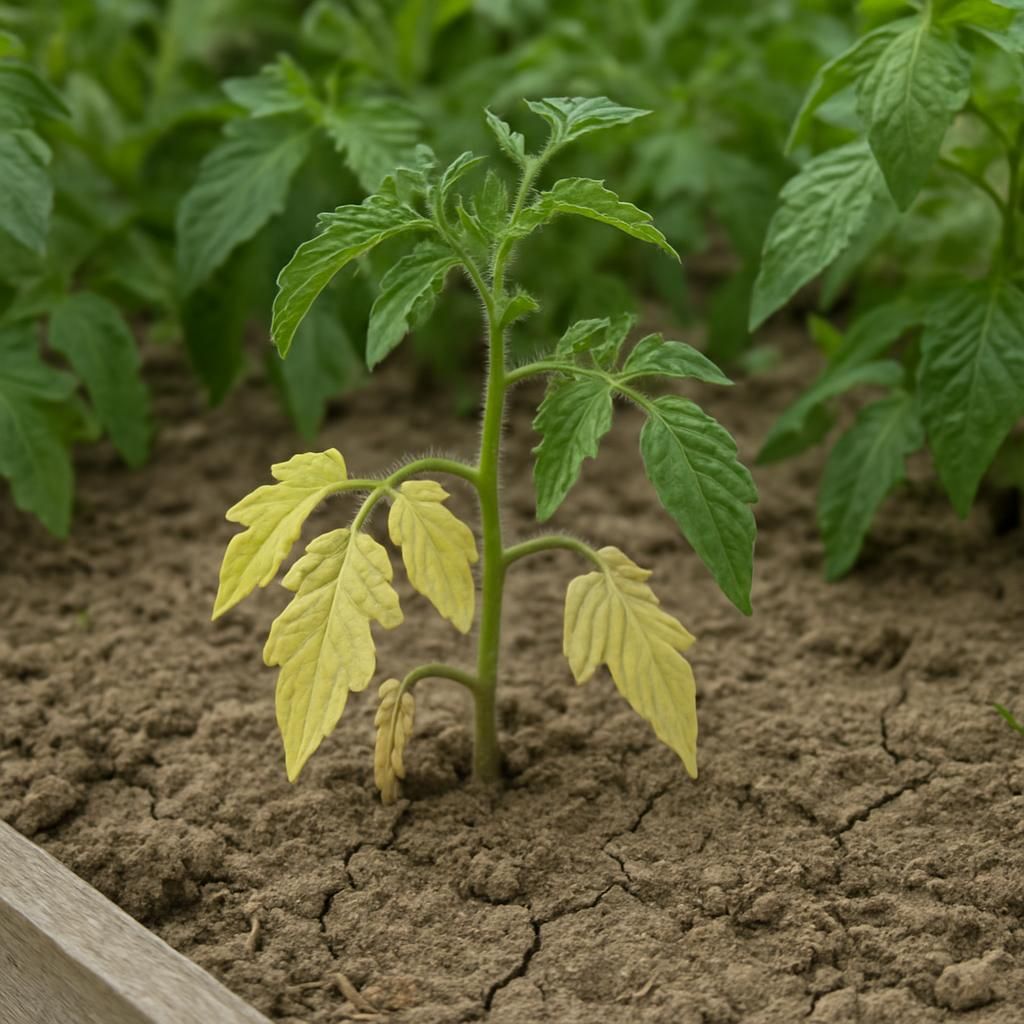
Stalled plant growth occurs when otherwise healthy seedlings or established plants suddenly stop developing new leaves, stems, or flowers. Gardeners often notice this after initial promising progress, leaving crops like Tomato or Lettuce looking underwhelming despite regular care. Identifying the underlying cause early prevents permanent setbacks and supports robust harvests.
This guide examines the most frequent triggers of stalled growth, provides clear diagnostic steps, and outlines proven organic remedies that improve soil biology and plant resilience without synthetic inputs.
Common Causes
Multiple environmental and cultural factors can halt development. Understanding each category helps narrow down the problem quickly.
Nutrient Imbalances
Nitrogen deficiency typically shows as pale lower leaves and thin stems, while phosphorus shortages limit root expansion and flowering. Over-application of any single nutrient creates lockout of others, especially in containers or compacted beds.
Soil Compaction and Poor Structure
Heavy foot traffic or repeated tilling destroys pore spaces, restricting oxygen to roots. Plants respond by slowing transpiration and photosynthesis, resulting in little visible top growth.
Inadequate Light or Temperature Stress
Most vegetables require six to eight hours of direct sun. Shaded areas or sudden cold snaps below 50°F (10°C) reduce metabolic activity, particularly in warmth-loving crops such as Potato.
Water Management Issues
Both drought and waterlogging produce similar symptoms: wilting, yellowing, and halted expansion. Roots deprived of oxygen or moisture cannot transport minerals effectively.
Pest and Disease Pressure
Root-feeding insects or soil-borne fungi can damage vascular tissue without obvious above-ground signs until growth stalls. Early detection through gentle root inspection is essential.
Step-by-Step Organic Solutions
Follow this sequence to revive stalled plants systematically.
Step 1: Assess the Growing Environment
Measure daily sunlight hours with a light meter or simple observation. Record soil temperature at 4 inches depth. Compare these values against crop-specific requirements listed on seed packets.
Step 2: Perform a Soil Test
Collect samples from several garden zones and send them to a local extension lab. Note pH, organic matter percentage, and major nutrient levels. Amend based on results using compost, aged manure, or rock minerals rather than quick-release fertilizers.
Step 3: Improve Soil Aeration
For compacted areas, insert a garden fork 8-10 inches deep and gently rock it to create channels without inverting soil layers. Top-dress with 2 inches of well-rotted leaf mold or compost to encourage earthworm activity.
Step 4: Adjust Watering Practices
Water deeply but infrequently, aiming for 1 inch per week delivered at the soil surface. Use drip irrigation or soaker hoses to maintain even moisture while avoiding foliage wetting that promotes fungal issues.
Step 5: Apply Targeted Organic Amendments
Once soil test results return, broadcast ½ inch of finished compost around the dripline of each plant. For suspected nitrogen shortage, side-dress with diluted fish emulsion or alfalfa meal tea. Re-test soil after six weeks to confirm improvement.
Step 6: Monitor and Support Recovery
Remove any competing weeds within 12 inches of the stem. Mulch with 3 inches of straw or shredded bark to stabilize temperature and retain moisture. Track new leaf emergence weekly; healthy regrowth usually appears within 10-14 days of corrective action.
Prevention Tips
Consistent cultural practices reduce the likelihood of future stalls.
- Rotate crop families annually to prevent nutrient depletion and soil-borne pathogen buildup.
- Incorporate cover crops such as clover or buckwheat during off-seasons to maintain soil structure and biology.
- Choose regionally adapted varieties known for vigorous root systems.
- Maintain 2-3 percent soil organic matter through yearly compost additions.
- Scout plants twice weekly for early signs of stress and address issues before they compound.
Comparison of Common Stalling Triggers
| Trigger | Typical Symptoms | Quick Diagnostic Test | Organic First Response |
|---|---|---|---|
| Nutrient Deficiency | Yellowing leaves, thin stems | Soil test or leaf color chart | Compost tea or balanced organic fertilizer |
| Compacted Soil | Slow top growth, surface crusting | Fork penetration test | Aerate and mulch |
| Inadequate Light | Leggy stems, pale foliage | Sunlight hours measurement | Relocate or prune overhead branches |
| Water Stress | Wilting midday, dry or soggy soil | Finger soil moisture check | Adjust irrigation schedule |
| Root Pests | Sudden collapse despite watering | Gentle root excavation | Beneficial nematodes or neem drench |
By following these diagnostic and corrective steps, gardeners can reliably return stalled plants to productive growth while building long-term soil health.