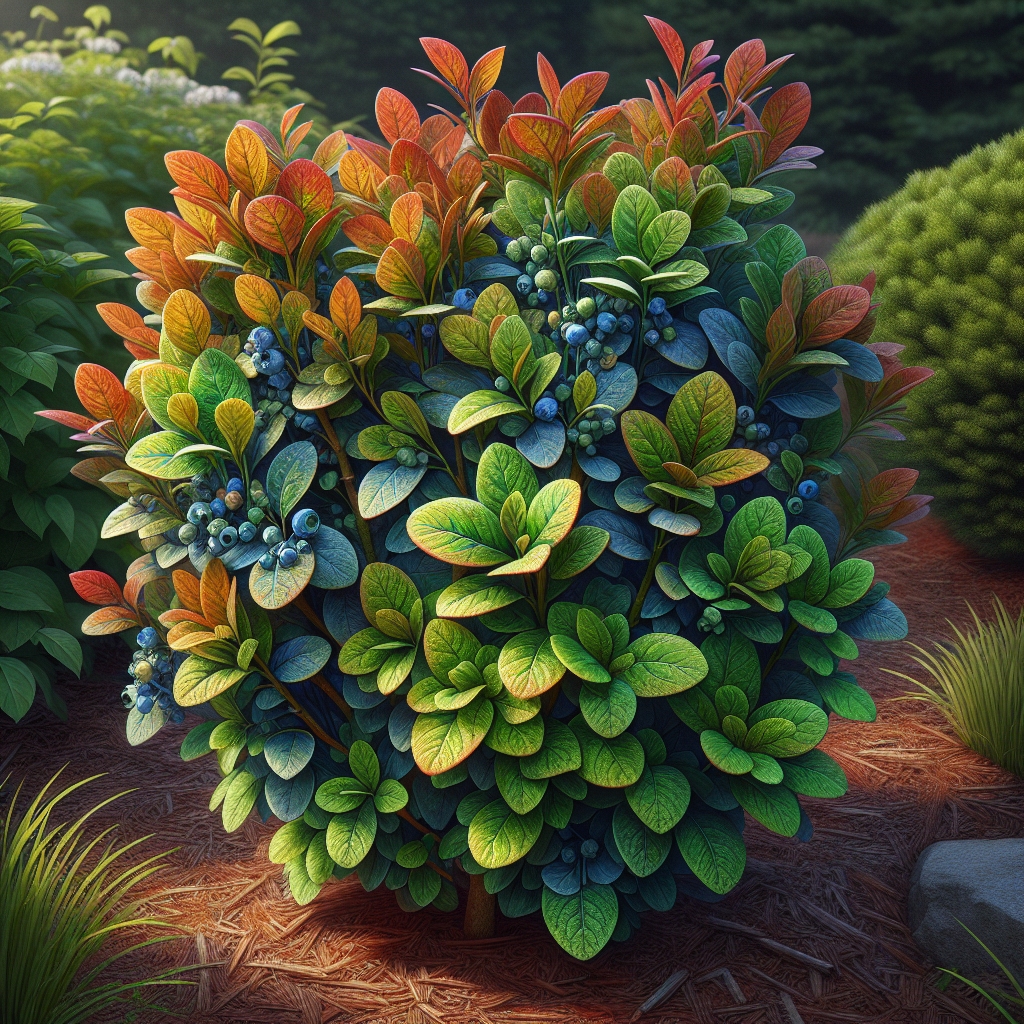
How to Diagnose and Fix Blueberry Bush Problems: Nutrition Deficiency, Viruses, or Normal Growth?
Blueberry bushes (Vaccinium spp.) are prized for their antioxidant-rich berries and ornamental appeal in home gardens. However, growers often notice concerning symptoms like yellowing leaves, stunted growth, red discoloration, or wilting branches, prompting questions: Is it a nutrition issue? A virus? Or just normal? These problems can halt fruit production and threaten plant health if ignored. This guide breaks down the most common causes, provides organic diagnostic steps, and offers practical solutions to restore vigor. Whether you're growing Duke Blueberry or Bluecrop Blueberry, understanding the root cause is key to long-term success.
Common Causes of Blueberry Bush Problems
Blueberry bushes thrive in acidic, well-drained soils (pH 4.5-5.5) and consistent moisture. Deviations lead to stress. Here's a breakdown of primary culprits:
1. Nutrient Deficiencies (Most Common)
Blueberries have shallow roots and specific needs. High soil pH (>6.0) locks out iron, manganese, and other micronutrients, causing interveinal chlorosis (yellow leaves with green veins). Nitrogen deficiency shows as uniform yellowing on lower leaves.
| Symptom | Likely Nutrient | Soil pH Indicator |
|---|---|---|
| Yellow leaves, green veins (new growth first) | Iron (Fe) | pH >5.5 |
| Uniform pale green/yellow (older leaves) | Nitrogen (N) | Any, but often compacted soil |
| Purple/red leaves (cool weather) | Phosphorus (P) | Cold, wet soils |
| Mottled yellow with brown edges | Magnesium (Mg) | pH imbalance |
2. Viral Diseases
Viruses like Blueberry Shock Virus (BSV) or Blueberry Mosaic Virus cause crinkled, mottled leaves, stunted shoots, and reduced yields. These spread via infected tools, pollen, or aphids. Unlike nutrition issues, viruses show persistent necrosis (dead spots) and no response to fertilizers.
| Virus Type | Key Symptoms | Transmission |
|---|---|---|
| Blueberry Shock Virus | Sudden leaf drop, cane dieback post-bloom | Pollen, grafts |
| Blueberry Mosaic | Ringspots, wavy leaves | Aphids, mechanical |
| Red Ringspot | Red rings on leaves | Unknown, possibly pollen |
3. Normal Growth Patterns
Not all changes are pathological. New spring growth is often reddish-purple (anthocyanin pigments). Leaf drop in fall is natural. Overwintering bushes may look dormant or scorched in cold snaps.
4. Other Factors
- Water stress: Root rot from overwatering or drought.
- Pests: Mummy berry fungus or aphids.
- Environmental: Frost damage or transplant shock.
Step-by-Step Organic Solutions
Follow this diagnostic and treatment protocol organically--no synthetic chemicals needed.
Step 1: Diagnose Accurately
- Inspect visually: Photograph leaves at different stages (new/old). Check for patterns (uniform vs. veinal).
- Test soil pH: Use a home kit or send to a lab. Aim for 4.5-5.2.
- Check roots: Gently dig around base. Healthy roots are fibrous/white; mushy/black indicates rot.
- Observe progression: Nutrition improves with amendments; viruses worsen over seasons.
- Scout for pests: Look under leaves for aphids or sooty mold.
Step 2: Fix Nutrient Deficiencies
- Acidify soil: Apply elemental sulfur (1-2 lbs/100 sq ft) or pine bark mulch (3-4 inches). Retest pH after 3 months.
- Foliar feed iron: Mix chelated iron (e.g., Southern Ag Iron Granules) at 1 tsp/gallon water. Spray undersides weekly for 4 weeks.
- Organic fertilizers: Use cottonseed meal (6-3-2 NPK) or azalea/camellia blend. Apply 2-4 lbs per mature bush in spring/fall.
Application Timeline: | Month | Action | |-------|--------| | Spring | Soil test + sulfur | | Early Summer | Foliar iron spray | | Fall | Mulch + slow-release N | - Compost tea: Brew worm castings in rainwater (1:10 ratio, aerate 24 hrs). Apply monthly for microbes.
Step 3: Manage Viral Diseases
Viruses have no cure--focus on containment:
- Remove infected parts: Prune 6-12 inches below symptoms; sterilize tools in 10% bleach.
- Control vectors: Release ladybugs for aphids. Spray neem oil (1 oz/gallon) weekly.
- Rogue plants: Uproot severely affected bushes; burn/destroy (don't compost).
- Source clean stock: Propagate from certified virus-free Blueberry varieties.
Step 4: Address Water and Other Issues
- Water deeply (1-2 inches/week), avoiding overhead. Use drip irrigation.
- Mulch with pine needles or sawdust to retain moisture and acidify.
- Prune annually: Remove dead wood in late winter.
Expect recovery in 4-8 weeks for nutrition fixes. Monitor new growth.
Prevention Tips for Healthy Blueberry Bushes
Prevention beats cure. Build resilience with these organic practices:
- Site Selection: Full sun (6+ hours), well-drained acidic soil. Raised beds for heavy clay.
- Soil Prep: Amend at planting: 50% peat moss + pine bark. Annual sulfur top-dress.
- Mulching: 4-inch layer of acidic organic matter. Refresh yearly.
- Fertilization Schedule:
Growth Stage Fertilizer Type Rate per Bush Dormant None - Bud Break Low-N organic 1/4 lb Fruit Set Micronutrient foliar Weekly sprays Post-Harvest Compost 2-3 inches - Variety Choice: Plant disease-resistant types like Duke Blueberry or Bluecrop. Space 4-6 ft apart.
- Monitoring: Weekly checks. Use sticky traps for early pest detection.
- Winter Protection: Wrap young bushes in burlap; hill soil 6 inches on canes.
- Crop Rotation/Companions: Pair with azaleas or Strawberry for shared acidity needs.
By maintaining optimal pH and hygiene, you'll minimize issues. Healthy bushes yield 10-20 lbs/plant after year 3.
In summary, most blueberry woes trace to soil pH--test first! With organic tweaks, your bushes will thrive for decades. For variety-specific advice, explore Bluecrop Blueberry profiles.