Introduction
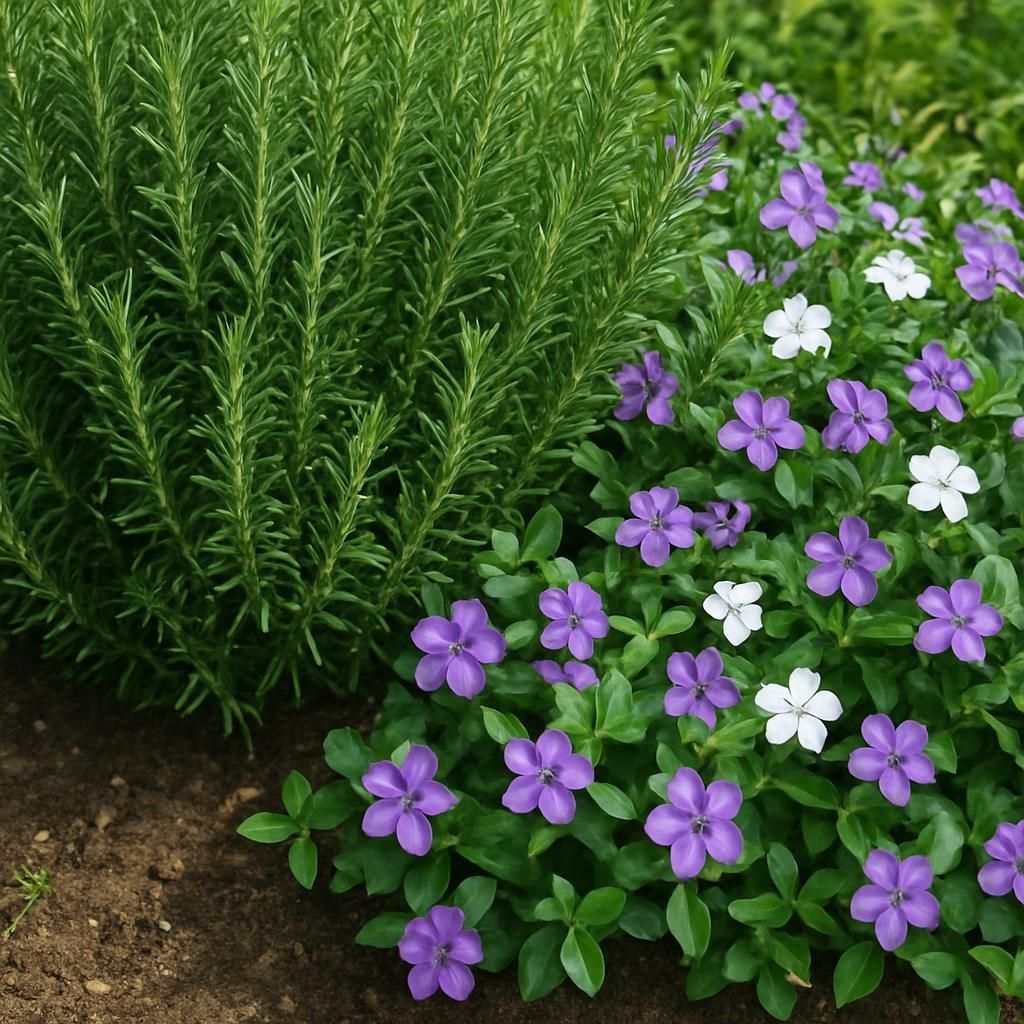
Many gardeners struggle with keeping Vinca (periwinkle) and rosemary looking their best throughout the seasons. These two plants have very different growing requirements, yet they are often planted together in landscapes and containers. Vinca offers vibrant ground cover with glossy leaves and colorful flowers, while rosemary provides aromatic evergreen foliage perfect for culinary use. Understanding their individual needs is essential for long-term success without relying on synthetic chemicals.
Common Causes of Poor Growth
Several factors commonly lead to struggling Vinca and rosemary plants. Overwatering is the leading issue for rosemary, which prefers dry conditions, while underwatering quickly damages Vinca in hot weather. Poor soil drainage causes root rot in both species, especially in heavy clay. Insufficient sunlight results in leggy rosemary and sparse flowering in Vinca. Nutrient imbalances, particularly excess nitrogen, promote weak growth and reduce rosemary's essential oil content. Pests such as aphids and spider mites can also appear when plants are stressed by incorrect watering or light.
| Issue | Vinca Symptoms | Rosemary Symptoms |
|---|---|---|
| Overwatering | Yellowing leaves, root rot | Wilting, brown needles |
| Underwatering | Wilting, crispy edges | Dry, brittle stems |
| Low Light | Few flowers, stretched stems | Sparse foliage, weak scent |
| Poor Drainage | Mushy stems | Leaf drop, fungal issues |
Step-by-Step Organic Solutions
Site Selection and Soil Preparation
Choose a location that receives at least six hours of direct sun daily. Rosemary thrives in full sun with excellent drainage, while Vinca tolerates partial shade but flowers best in sun. Test soil pH; both plants prefer slightly alkaline to neutral conditions between 6.0 and 7.5. Amend heavy soils with compost and coarse sand to improve drainage. Raised beds or containers with drainage holes work well for rosemary.
Planting Guidelines
Plant rosemary in spring after the last frost, spacing plants 18-24 inches apart. Set Vinca starts 12 inches apart as ground cover. Water thoroughly after planting but avoid soggy conditions. Mulch with organic bark or gravel to retain moisture around Vinca while keeping rosemary's crown dry.
Watering Practices
Water Vinca deeply once or twice weekly during establishment, then reduce frequency. Allow the top inch of soil to dry between waterings for rosemary. In containers, check moisture daily during summer heat. Morning watering reduces disease risk.
Organic Fertilization
Apply a balanced organic fertilizer or compost tea to Vinca in early spring. Rosemary rarely needs feeding; too much nitrogen diminishes flavor and aroma. Side-dress both plants with aged compost once per season. Avoid high-nitrogen formulas near rosemary.
Pruning and Maintenance
Prune rosemary regularly to maintain shape and encourage bushiness. Harvest sprigs often for kitchen use. Trim Vinca after flowering to promote new growth and prevent woody stems. Remove spent blooms to extend the flowering period.
Companion Planting and Pest Control
Pair rosemary with Tomato, Garlic, and Onion to deter pests naturally. Vinca works well as living mulch under taller plants. Monitor for aphids and treat with insecticidal soap or neem oil if needed. Encourage beneficial insects by planting flowering herbs nearby.
Prevention Tips
Prevent problems by matching plants to their preferred microclimates. Group rosemary with other Mediterranean herbs in well-drained areas. Use Vinca in moister spots or provide supplemental water during dry spells. Rotate planting locations every few years to reduce soil-borne disease buildup. Regularly inspect plants for early signs of stress and adjust care immediately. In winter, protect rosemary with burlap screens in cold climates while Vinca often remains evergreen in milder zones.
Organic success with these plants comes from observing their responses and making small adjustments rather than following rigid schedules. Consistent attention to drainage, sunlight, and minimal intervention produces the healthiest results season after season.