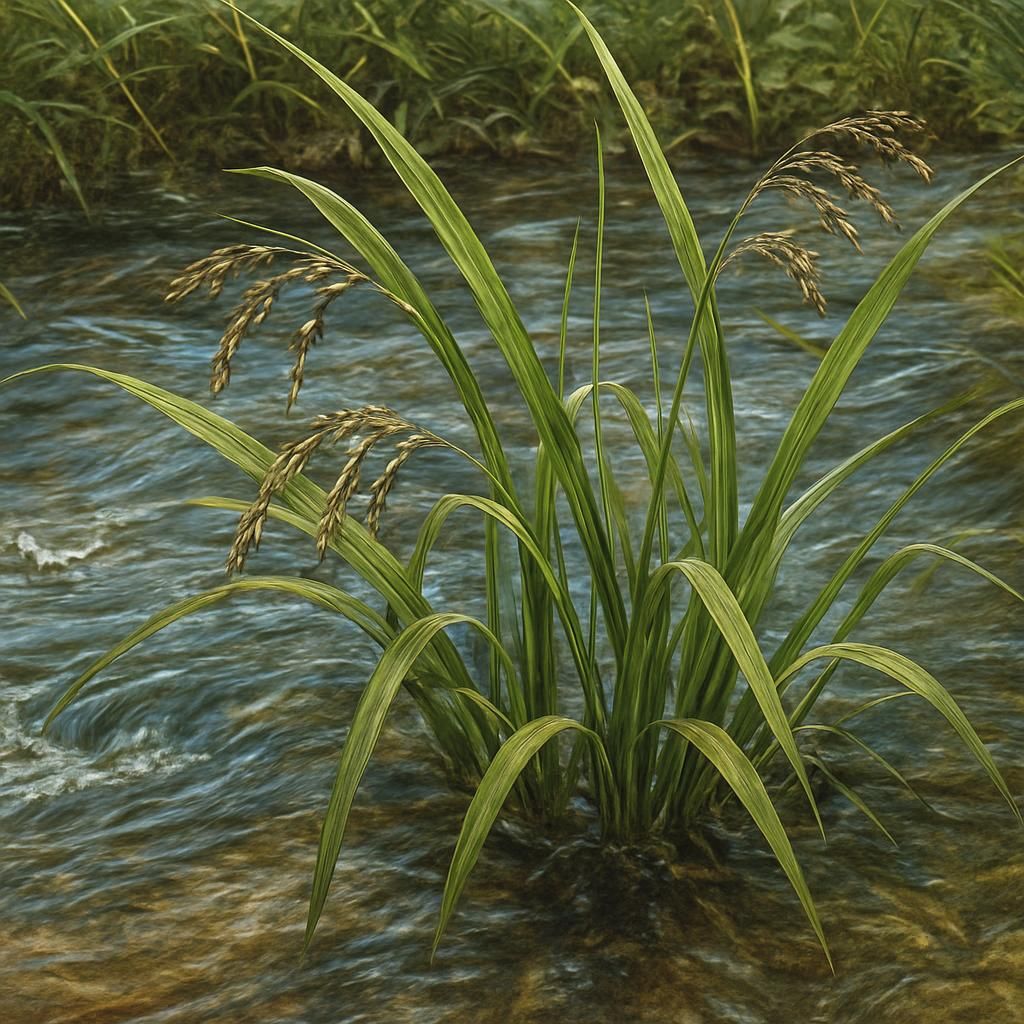
Introduction to Texas Wild Rice (Zizania texana)
Texas Wild Rice, scientifically known as Zizania texana, is a unique and highly endangered species endemic to the San Marcos River in Central Texas. This aquatic plant is part of the rice family but differs significantly from other wild rice varieties due to its narrow habitat requirements and conservation status.
Botanical Profile of Texas Wild Rice (Zizania texana)
Texas Wild Rice belongs to the family Poaceae and is a perennial aquatic grass. The plant grows in clumps with slender, drooping leaves that can reach up to a meter in length. The flowering structures, called panicles, emerge above the water and are essential for reproduction. Unlike commercial rice varieties, Texas Wild Rice is not grown for large-scale agricultural production, primarily due to its restricted growing area and endangered status.
Soil, pH, and Climate Requirements for Texas Wild Rice (Zizania texana)
To successfully cultivate Texas Wild Rice, one must recreate its natural habitat conditions. Here is a breakdown of its ideal growing requirements:
| Condition | Ideal Values |
|---|---|
| Soil Type | Sandy, silty substrates, clear water |
| pH Level | 6.0 - 7.5 |
| Water Depth | 30 - 60 cm |
| Temperature | 18°C to 24°C consistently |
| Sunlight | Full sun to partial shade |
Step-by-Step Planting & Propagation
- Site Selection: Choose a site with clean, flowing water similar to the San Marcos River.
- Seed Collection and Stratification: Collect seeds from existing wild populations, ensuring they are stratified by storing them in moist conditions at temperatures between 1°C and 5°C for 2-3 months.
- Seed Sowing: Plant seeds in a sand-silt substrate. Maintain submersion to mimic natural germination conditions.
- Transplanting: Once seedlings reach about 10 cm, they can be transplanted to their permanent location in the water.
Care & Maintenance regimes for Texas Wild Rice (Zizania texana)
| Regime | Frequency | Details |
|---|---|---|
| Water | Continuous | Maintain constant, slow-flowing water |
| Fertilizer | Every 4-6 weeks | Use a balanced aquatic plant fertilizer |
| Pruning | As needed | Remove dead or damaged leaves |
Pests, Diseases & Organic Management
Texas Wild Rice faces threats from several pests and diseases, albeit in its natural habitat more than in cultivation. Common pests include Spider Mites and Snails, which can be managed with manual removal or using organic deterrents like neem oil. Diseases such as fungal infections can be mitigated by ensuring good water flow and reducing plant stress.
Harvesting, Curing & Optimal Storage
Texas Wild Rice is not typically harvested for commercial purposes; however, if grown for conservation efforts or scientific purposes, careful timing is crucial. Allow panicles to mature and gently collect seeds as they ripen in late summer. Store seeds in cool, moist conditions to maintain viability.
Companion Planting for Texas Wild Rice (Zizania texana)
While Texas Wild Rice grows in specialized conditions, compatible aquatic species include native sedges and rushes. Companion planting with non-invasive species helps improve habitat diversity and supports the ecosystem.
For more insights on effective companion planting strategies, read our blog on Summer Companion Planting: 10 Organic Pairings to Boost Small Farm Resilience.
Consider exploring techniques to sustain such delicate ecosystems with our article about Crop Rotation Realities: 6 Organic Patterns That Deliver for Small Farms.