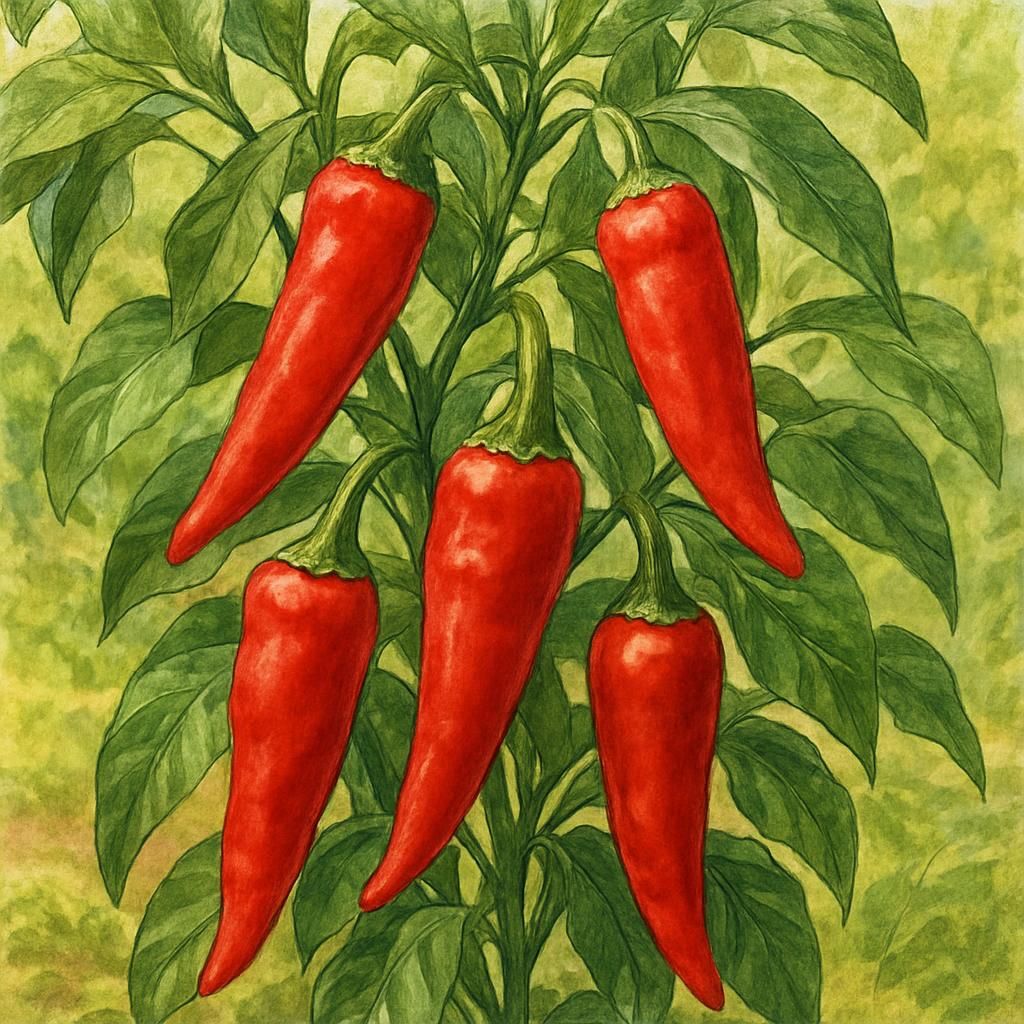
Introduction to Marash Pepper
Marash Pepper, also known as Maras Biberi, is a prized variety of chili pepper originating from the city of Kahramanmaraş in Turkey. Known for its distinct aroma and mildly hot flavor, it has become a staple in Middle Eastern and other global cuisines. Marash Pepper is often dried and crushed, and its rich red color and smoky flavor make it a favorite among gourmet chefs.
Botanical Profile of Marash Pepper
The Marash Pepper belongs to the species Capsicum annuum, which includes many other popular varieties. Reaching about 2 to 3 feet when mature, the plant produces vibrant red peppers that are typically 4 to 6 inches long. Its growth is characterized by bushy foliage and white flowers that eventually give way to the elegant fruits.
Soil, pH, and Climate Requirements for Marash Pepper
Marash Peppers thrive in warm climates and are best grown in regions with long summers. They prefer well-drained soil with good fertility. Here is a table that highlights the ideal growing conditions:
| Condition | Ideal Range |
|---|---|
| Soil pH | 6.0 - 7.0 |
| Temperature | 70°F - 85°F (21°C - 29°C) |
| Sunlight | Full sun, 6-8 hours daily |
| Soil Type | Loamy, well-drained |
Marash Peppers are not frost-tolerant and should be planted after the last frost date. Warm temperatures are essential for optimal growth, and the plant needs at least six hours of direct sunlight daily.
Step-by-Step Planting & Propagation
1. Seed Selection: Choose high-quality seeds from a reputable supplier. Opt for non-GMO varieties that ensure true-to-type growth.
2. Germination: Start seeds indoors 6 to 8 weeks before the last expected frost. Sow seeds 1/4 inch deep in seed-starting mix.
3. Transplanting: Once seedlings have developed 2-3 sets of true leaves and temperatures have stabilized above 60°F (16°C), transplant them to the garden.
4. Spacing: Space plants 18 to 24 inches apart in rows 24 to 36 inches apart. Ensure good air circulation to prevent disease.
5. Mulching: Apply organic mulch around the plants to retain moisture and suppress weeds.
Care & Maintenance Regimes for Marash Pepper
Consistent care is crucial to cultivate healthy plants and maximize yield. The following table outlines the care regime:
| Activity | Frequency | Notes |
|---|---|---|
| Watering | 1-2 inches/week | Water deeply but infrequently to encourage deep rooting |
| Fertilizer | Every 3-4 weeks | Use a balanced fertilizer high in phosphorus and potassium |
| Pruning | As needed | Remove yellow or diseased leaves to enhance air circulation |
Pests, Diseases & Organic Management
Marash Peppers are susceptible to common pests such as Spider Mites, aphids, and cutworms. Regular scouting and early intervention are necessary. Use neem oil or insecticidal soap for organic pest management. Diseases like powdery mildew and bacterial spot are common, and improving air circulation and rotating crops can help mitigate these issues. For more organic strategies, visit our blog on Crop Diseases Under the Microscope: 9 Organic Fixes for Small Farm Resilience.
Harvesting, Curing & Optimal Storage
Harvest Marash Peppers when they reach their full size and a vibrant red color. Use pruning shears to cut the peppers and avoid damaging the plant. To dry them, spread the peppers out in a single layer in a dry, ventilated area. Once dried, store in airtight containers in a cool, dark place to preserve flavor and color.
Companion Planting for Marash Pepper
Companion planting can improve pepper yields and reduce pest pressures. Good companions for Marash Peppers include basil, onions, and carrots. Avoid planting with crops like Fennel which may inhibit their growth. For and other beneficial pairings, check out Summer Companion Planting: 10 Organic Pairings to Boost Small Farm Resilience.