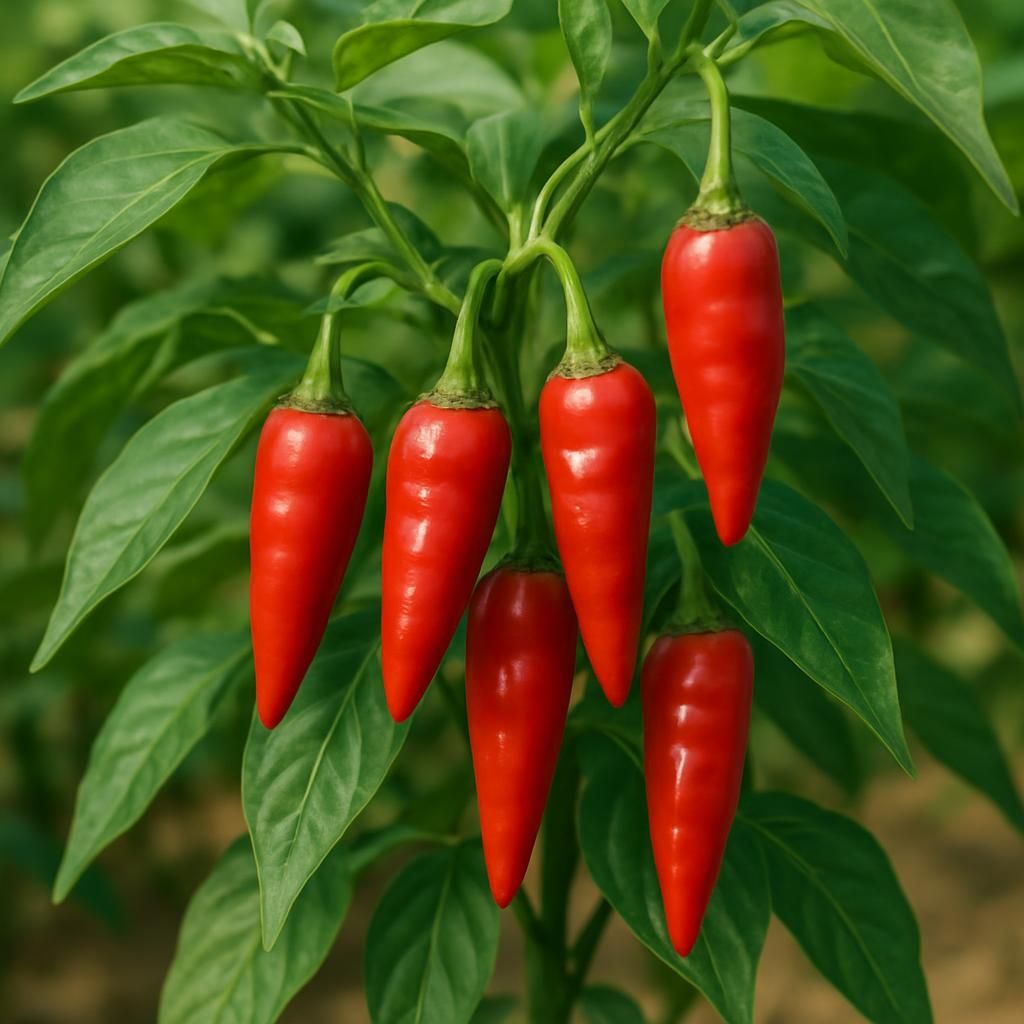
Introduction to Malagueta Pepper
Malagueta Pepper originates from Brazil and is prized for its small, tapered pods that deliver intense heat levels between 60,000 and 100,000 Scoville units. It thrives in tropical and subtropical climates, making it a staple for home gardeners and commercial growers seeking high-yield hot peppers. This comprehensive guide provides practical, professional-grade advice for successful cultivation.
Botanical Profile of Malagueta Pepper
Malagueta Pepper belongs to the Capsicum genus within the Solanaceae family. Plants grow as perennial shrubs reaching 1-2 meters in height with small, ovate leaves and white flowers. The fruits are slender, 2-5 cm long, starting green and ripening to bright red. As a Chili Pepper, it shares traits with other Capsicum frutescens varieties but stands out for its prolonged productivity and resilience in warm conditions.
Soil, pH, and Climate Requirements for Malagueta Pepper
Optimal soil is well-draining loam rich in organic matter. Malagueta Pepper prefers full sun exposure of at least 8 hours daily and consistent warmth.
| Parameter | Ideal Range | Notes |
|---|---|---|
| Soil Type | Loamy, well-draining | Enrich with compost; avoid heavy clay |
| pH Level | 6.0-6.8 | Test soil annually; amend with lime if needed |
| Temperature | 20-30°C daytime | Protect from frost; minimum 15°C at night |
| Humidity | 60-80% | High humidity supports growth but monitor for fungal issues |
| Sunlight | Full sun (8+ hours) | South-facing sites ideal in temperate zones |
| Rainfall/ Irrigation | 500-800 mm annually | Consistent moisture without waterlogging |
Step-by-Step Planting & Propagation
Start seeds indoors 8-10 weeks before last frost. Sow in seed trays with sterile mix at 1/4 inch depth, maintaining 25-30°C for germination in 7-14 days. Transplant seedlings when they have 4-6 true leaves and outdoor temperatures exceed 18°C. Space plants 45-60 cm apart in rows 75 cm wide. For propagation, use stem cuttings from healthy plants rooted in moist perlite.
Care & Maintenance regimes for Malagueta Pepper
Regular monitoring ensures vigorous growth and high yields. Mulch around bases to retain moisture and suppress weeds.
| Aspect | Schedule | Details |
|---|---|---|
| Water | Weekly deep watering | 25-40 mm per week; increase during flowering and fruiting; reduce in cool weather |
| Fertilizer | Every 4 weeks | Balanced NPK 10-10-10 at planting, switch to high-potassium during fruit set; organic options like fish emulsion |
| Pruning | Bi-weekly | Remove suckers below first fork; pinch tips after 60 cm height for bushier plants; prune diseased foliage immediately |
Pests, Diseases & Organic Management
Common threats include aphids and spider mites, managed through neem oil sprays and beneficial insects like ladybugs. Monitor for fungal issues in humid conditions using copper-based fungicides organically. Crop rotation prevents soil-borne problems.
Harvesting, Curing & Optimal Storage
Harvest when pods reach full red color, typically 70-90 days after transplant. Pick frequently to encourage more production. Cure by air-drying in a warm, ventilated area for 1-2 weeks. Store dried peppers in airtight containers away from light for up to a year. Fresh peppers keep 1-2 weeks refrigerated.
Companion Planting for Malagueta Pepper
Pair with basil or marigold to deter pests naturally. Avoid planting near fennel. See Summer Companion Planting: 10 Organic Pairings to Boost Small Farm Resilience for expanded strategies that enhance resilience and yields.