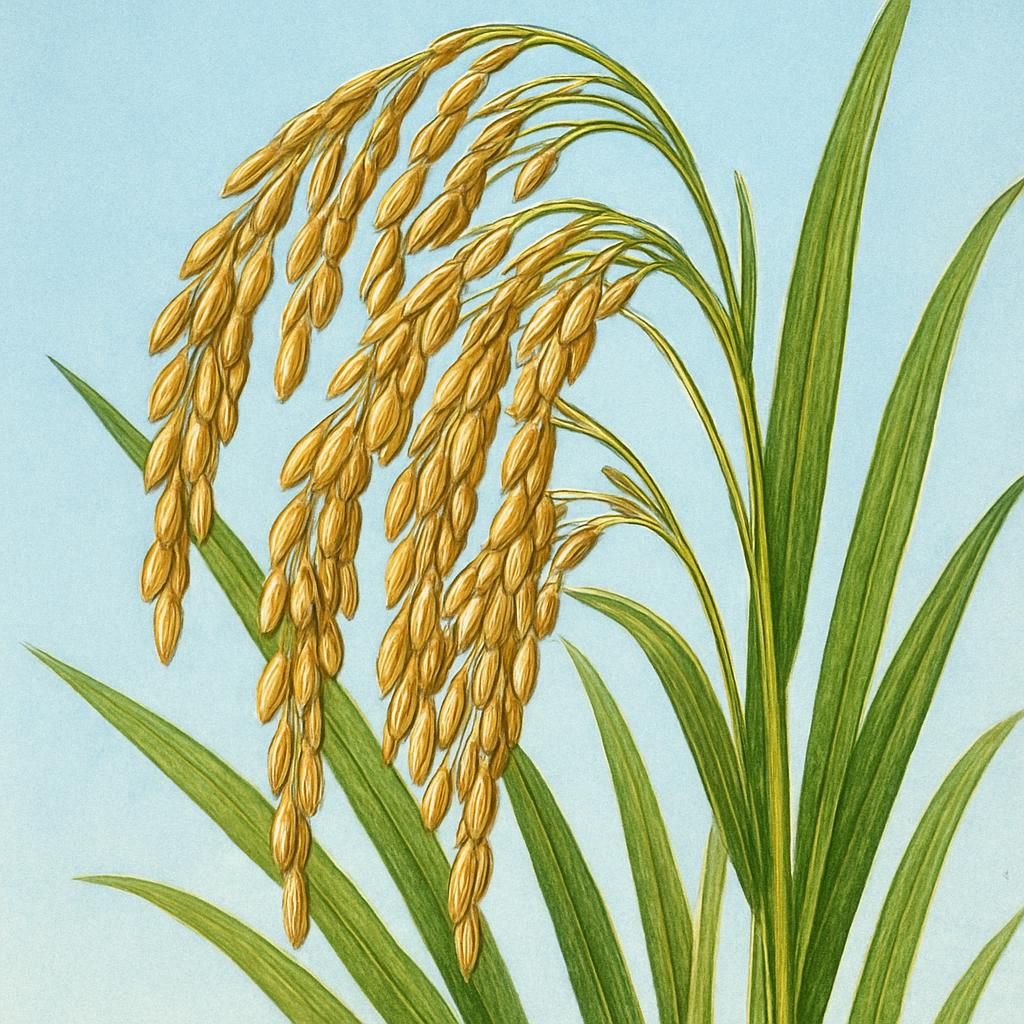
Introduction to Karacadag Rice
Karacadag Rice, originating from Turkey's Karacadağ region, has garnered attention not only for its distinct flavor profile but also its historical relevance. Uniquely integrated into the cultural fabric of the region, this rice variety is known for thriving in less-than-ideal growing conditions, making it a resilient crop choice for farmers worldwide.
Botanical Profile of Karacadag Rice
Botanically classified as Oryza sativa, Karacadag Rice is a member of the Poaceae family. This grain has adapted to grow primarily in the challenging terrains of southeastern Turkey, which are characterized by rocky soils and a semi-arid climate. Consequently, it has evolved to be less dependent on water compared to other rice varieties.
Soil, pH, and Climate Requirements for Karacadag Rice
Farmers should pay particular attention to the soil and climate conditions to optimize the growth of Karacadag Rice. Its adaptability to poor soil quality is balanced by a requirement for specific temperatures and pH levels.
| Aspect | Ideal Conditions |
|---|---|
| Soil Type | Well-drained, loamy |
| Soil pH | 6.0 to 7.0 |
| Temperature Range | 15°C to 30°C |
| Rainfall | 500mm to 800mm |
| Altitude | 500m to 1000m |
Step-by-Step Planting & Propagation
- Site Selection: Choose a site with adequate sun exposure and away from shade barriers. Ensure the soil is well-drained.
- Soil Preparation: Start with soil preparation in early spring. Organic matter should be mixed thoroughly to enhance soil fertility.
- Seed Selection: Use high-quality seeds to guarantee healthy crop growth.
- Sowing: Sow the seeds directly into the soil, maintaining a distance of 15cm between each planting row.
- Irrigation: Rotate a periodic flooding method during the growing season.
- Germination Monitoring: After sowing, ensure seeds are germinating, which is usually evident within a few weeks.
Care & Maintenance regimes for Karacadag Rice
Karacadag Rice demands ongoing care throughout the growing cycle. The cultivation process requires careful management of water, fertilizers, and routine maintenance like weeding.
| Task | Timing | Description |
|---|---|---|
| Watering | Weekly during dry months | Avoid waterlogging |
| Fertilizer | Bi-weekly (N-P-K balance) | Organic fertilizers recommended |
| Weeding | Bi-monthly | Manual removal preferred |
Pests, Diseases & Organic Management
Karacadag Rice, although resilient, is not immune to agricultural threats. Spider mites and other common pests may pose problems. Regular monitoring is crucial:
- Pests: Including spider mites and birds.
- Diseases: Fungal infections such as blast can occur.
- Organic Control: Physical removal, introduction of beneficial predators, and organic pesticides such as neem oil are recommended.
Harvesting, Curing & Optimal Storage
- Harvesting: Typically occurs in mid-autumn when the rice grains turn golden brown.
- Curing: Post-harvest, the rice should be air-dried for maximum flavor retention.
- Storage: Store in a cool, dark place within airtight containers to prolong freshness and prevent pest invasion.
Companion Planting for Karacadag Rice
Companion planting can substantially benefit rice growth by optimizing resource usage and deterring pests. Good companions include Legumes which can enhance soil fertility, and Marigold to repel harmful insects.
For more detailed strategies on farm resilience, consider exploring The Truth About Weather Patterns and Small Farm Resilience for holistic farm management practices.