Introduction to Benzoin Resin
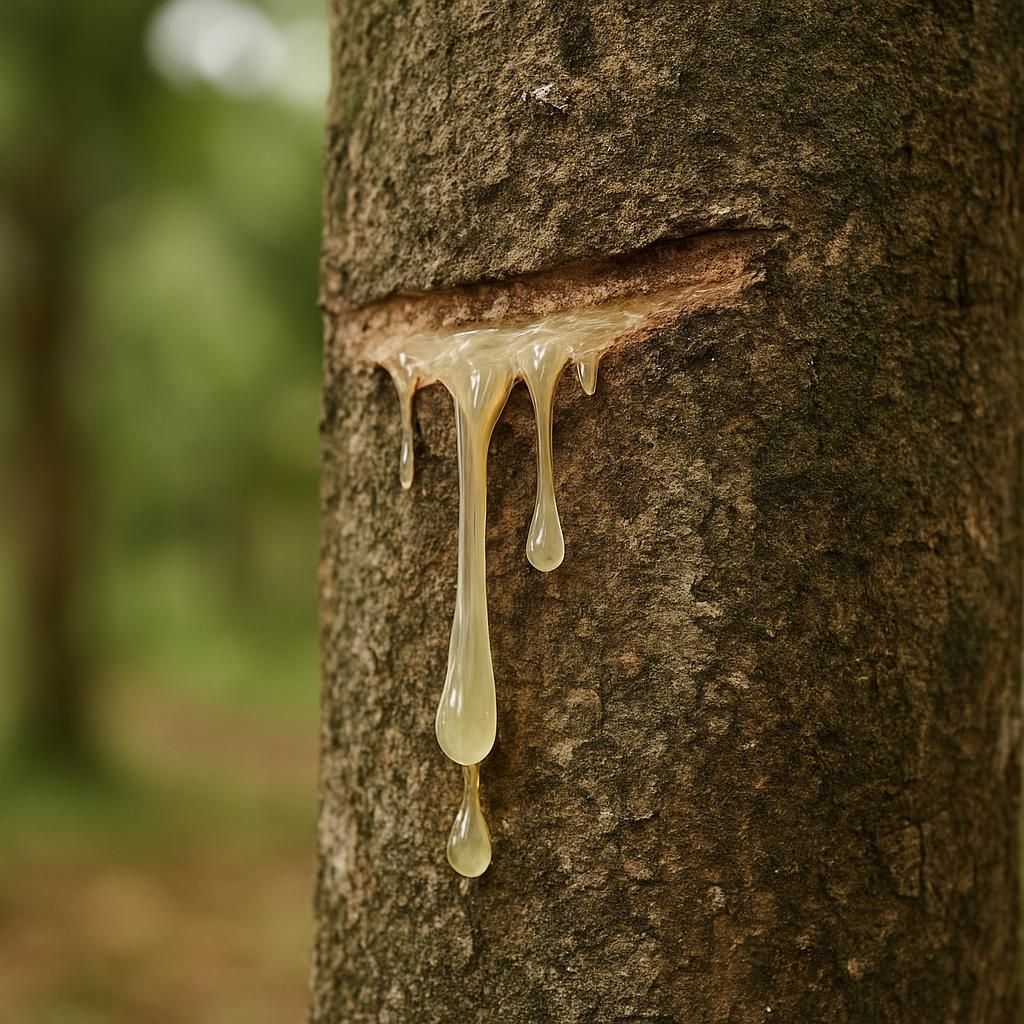
Benzoin resin, also known as gum benzoin or simply benzoin, is a fragrant balsamic resin obtained from the wounded bark of trees in the genus Styrax, primarily Styrax benzoin. Native to Southeast Asia, this resin has been harvested for centuries for use in incense, traditional medicine, perfumery, and as a fixative in varnishes. The resin forms as a protective response to deliberate incisions made in the trunk, hardening into tear-shaped lumps that are collected, sorted, and graded by quality.
Commercial benzoin production is concentrated in Indonesia, Malaysia, Laos, and Thailand, where smallholder farmers manage plantations of varying intensity. The resin commands strong demand in both local and international markets due to its warm, vanilla-like aroma and antimicrobial properties. Growing benzoin resin trees combines elements of agroforestry and resin-tapping systems, offering farmers a long-term income source with relatively low input requirements once established.
Successful cultivation depends on replicating the humid, shaded understory conditions of its natural habitat while implementing structured tapping schedules to maximize yield without damaging tree health. This guide provides professional-grade, actionable advice for establishing, maintaining, and harvesting benzoin resin plantations.
Botanical Profile of Benzoin Resin
Styrax benzoin is an evergreen tree belonging to the Styracaceae family. Mature specimens typically reach 8–12 meters in height with a straight trunk and spreading crown. The bark is grayish-brown and relatively smooth, becoming fissured with age. Leaves are alternate, simple, and elliptic to oblong, measuring 6–15 cm long with entire margins and a leathery texture.
Small, white, bell-shaped flowers appear in axillary racemes during the dry season, attracting pollinators such as bees. The fruit is a globose drupe containing one to three seeds. Resin canals in the secondary phloem produce the characteristic balsamic exudate when the bark is wounded. The resin itself is a complex mixture of benzoic and cinnamic acid esters, giving it a sweet, vanilla-like scent.
The species is relatively fast-growing for a resin-producing tree, reaching tappable size (approximately 15–20 cm diameter at breast height) in 7–10 years under optimal conditions. Multiple varieties exist, but commercial plantings predominantly use selections derived from wild populations in Sumatra and Borneo.
Soil, pH, and Climate Requirements for Benzoin Resin
Benzoin resin trees perform best on well-drained, fertile soils with good organic matter content. They tolerate a range of soil textures but suffer from waterlogging. The following table summarizes ideal growing conditions:
| Parameter | Ideal Range | Notes |
|---|---|---|
| Soil Type | Loamy to sandy loam | Avoid heavy clay; improve drainage if needed |
| Soil pH | 5.5 – 6.8 | Slightly acidic to neutral |
| Temperature | 22 – 32 °C (day); 18 – 24 °C (night) | Frost-free; sensitive to cold |
| Annual Rainfall | 1,800 – 3,500 mm | Evenly distributed; supplemental irrigation in dry periods |
| Relative Humidity | 70 – 90 % | High humidity promotes resin flow |
| Altitude | 0 – 800 m | Lower to mid-elevation tropics |
| Light | Partial shade to full sun | Young trees benefit from nurse trees |
Site selection should prioritize gentle slopes or flat land with deep, well-aerated soil. Pre-planting soil tests for pH, organic carbon, and major nutrients are recommended.
Step-by-Step Planting & Propagation
Seed Collection and Treatment: Collect ripe fruits from healthy mother trees. Remove pulp, wash seeds, and soak in warm water for 24 hours. Fresh seeds germinate within 4–8 weeks when sown in a moist, shaded nursery bed.
Nursery Phase: Sow seeds in raised beds or polybags filled with a 2:1:1 mix of forest soil, sand, and compost. Maintain 50 % shade and consistent moisture. Seedlings reach transplant size (30–40 cm) in 6–9 months.
Site Preparation: Clear competing vegetation and incorporate 5–10 kg of well-rotted compost or manure per planting hole. Dig holes 60 cm × 60 cm × 60 cm on a 4 m × 4 m or 5 m × 5 m grid.
Transplanting: Plant seedlings at the onset of the rainy season. Water thoroughly and apply a 5 cm layer of organic mulch around the base. Provide temporary shade for the first 3–6 months.
Initial Establishment: Water weekly during the first dry season. Replace any dead plants within the first year. Interplant with nitrogen-fixing legumes such as Gliricidia to improve soil fertility and provide light shade.
Care & Maintenance regimes for Benzoin Resin
Young trees require regular weeding and protection from livestock. Once established, maintenance focuses on canopy management and soil health. The following table outlines recommended schedules:
| Activity | Frequency | Details |
|---|---|---|
| Watering | Weekly during first 2 dry seasons | 20–30 L per tree; reduce as roots establish |
| Fertilizer | Year 1–3: 200 g NPK 15-15-15/tree | Split into 2 applications; Year 4+: 500 g organic compost + 100 g rock phosphate annually |
| Pruning | Annual after year 3 | Remove dead or crossing branches; maintain single leader |
| Mulching | Twice yearly | 5–10 cm layer of leaves or wood chips to conserve moisture |
| Weeding | Quarterly for first 3 years | Manual or light mechanical; avoid deep cultivation near trunk |
Monitor leaf color and growth rate to adjust fertility programs. Avoid over-fertilization, which can reduce resin quality.
Pests, Diseases & Organic Management
Benzoin resin trees are generally resilient but can be affected by several pests and diseases. Common issues include scale insects, mealybugs, and fungal leaf spots. Regular scouting and cultural practices are the first line of defense.
- Scale and Mealybugs: Prune heavily infested branches and apply horticultural oil or neem-based sprays. Encourage natural predators such as lady beetles.
- Fungal Leaf Spots: Improve airflow through pruning and avoid overhead irrigation. Copper-based fungicides may be used in severe cases.
- Root Rots: Ensure proper drainage and avoid waterlogging. Infected trees should be removed and the site solarized before replanting.
Integrate companion planting with aromatic herbs such as Thai Basil to repel certain insects. Maintain biodiversity within and around the plantation to support beneficial organisms.
Harvesting, Curing & Optimal Storage
Tapping begins when trees reach 15–20 cm diameter at breast height, typically at 7–10 years of age. Use a specialized tapping knife to make shallow, V-shaped incisions (approximately 2–3 cm long) spaced 10–15 cm apart around the trunk. Resin exudes over 7–14 days and hardens into tears.
Collect hardened resin every 2–3 weeks during the tapping season (usually 6–8 months). Grade according to color and purity: superior grades are pale and translucent, while lower grades contain bark fragments.
Curing involves air-drying collected resin in shaded, well-ventilated areas for 2–4 weeks. Store in breathable sacks or wooden crates in a cool, dry location away from direct sunlight. Properly cured resin retains quality for 2–3 years.
Companion Planting for Benzoin Resin
Benzoin resin trees integrate well into agroforestry systems. Compatible companions include nitrogen-fixing trees such as Gliricidia and leguminous ground covers that improve soil structure. Aromatic herbs like Thai Basil can deter pests while providing additional income.
Avoid planting heavy feeders or aggressive climbers that compete for light and nutrients. Maintain at least 2 meters clearance between benzoin trunks and companion species to allow tapping access. Diverse understory plantings also enhance microclimate stability and biodiversity, supporting long-term plantation resilience.