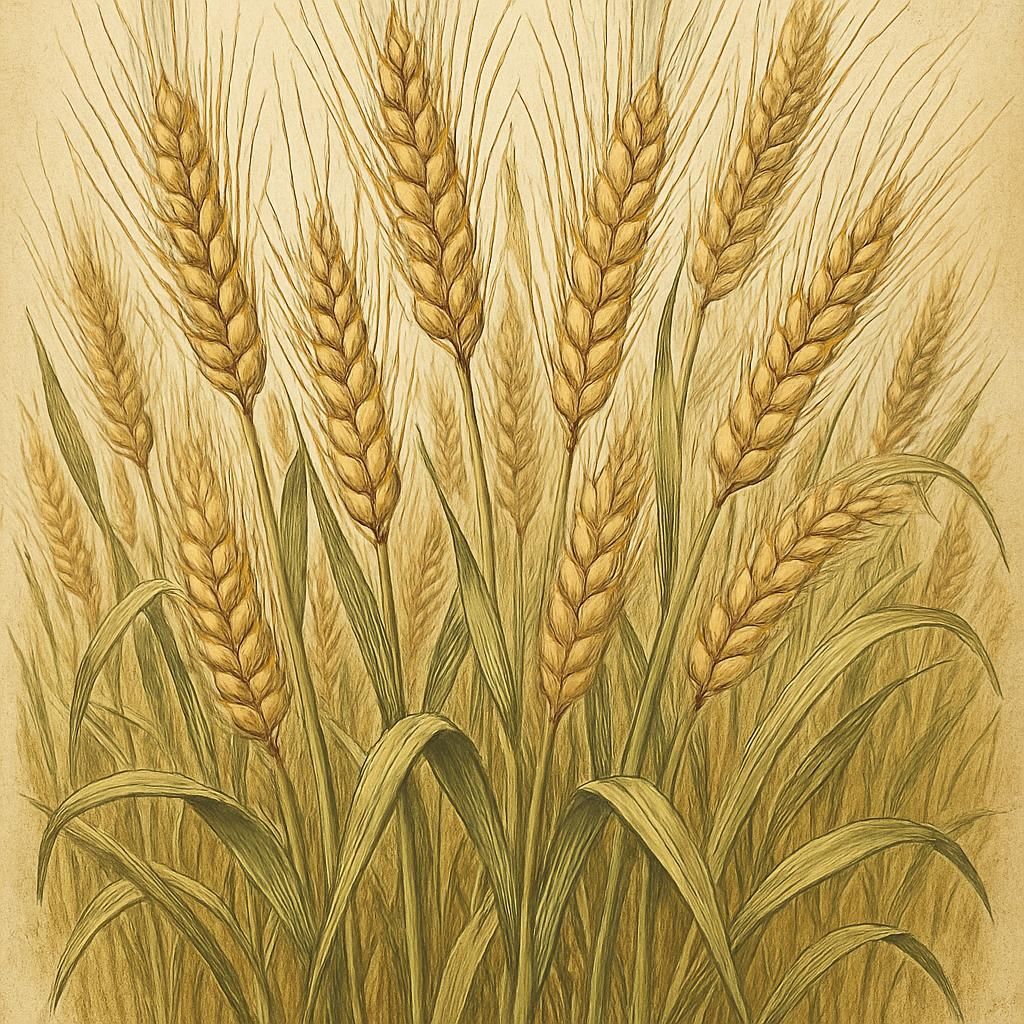
Introduction to Barley (Six-row Lacey)
Barley (Six-row Lacey) is a widely popular variety of barley, especially valued in the brewing industry for its superior malting qualities. Known for its robust yield and adaptability to various soil conditions, Six-row Lacey is an optimal choice for farmers seeking both quality and quantity in their harvest.
Botanical Profile of Barley (Six-row Lacey)
Barley (Hordeum vulgare L.) is an annual cereal grain native to the Middle East and now cultivated globally. The Six-row Lacey variety is distinct for its six rows of seeds on the head, offering higher starch content and enzymatic capacity which are key for malt production in brewing.
Soil, pH, and Climate Requirements for Barley (Six-row Lacey)
To achieve the best results when growing Six-row Lacey barley, consider the following ideal conditions:
| Condition | Preferred Values |
|---|---|
| Soil Type | Loamy, well-drained |
| pH Level | 6.0 - 7.5 |
| Climate | Temperate to cool |
| Temperature | 12-25°C (54-77°F) |
| Rainfall | 350-600 mm annually |
Step-by-Step Planting & Propagation
- Site Selection: Choose a location that receives full sun with well-drained soil.
- Soil Preparation: Till the soil to a depth of about 20 cm and incorporate organic matter to enhance fertility.
- Seed Selection: Source certified Six-row Lacey seeds from a reputable supplier.
- Sowing: Plant seeds at a depth of 3-5 cm with a spacing of 15-20 cm between rows. Aim to sow in early spring.
- Thinning: Once seedlings appear, thin them to ensure proper spacing and reduce competition.
Care & Maintenance Regimes for Barley (Six-row Lacey)
Consistent care is essential for maximizing the yield and quality of Six-row Lacey barley:
| Activity | Schedule/Amount |
|---|---|
| Watering | Moderate, avoid waterlogging |
| Fertilization | Apply balanced fertilizers at 6-week intervals |
| Weeding | Weekly basis to minimize competition |
| Pruning | Not applicable |
Pests, Diseases & Organic Management
Barley crops are susceptible to a variety of pests and diseases. Common issues include:
- Spider Mites
- Barley Yellow Dwarf Virus: Combat with organic insecticides and resistant varieties.
- Fungal Leaf Spots: Manage with copper-based fungicides and ensure good field sanitation. For detailed organic management tips, refer to this comprehensive guide.
Harvesting, Curing & Optimal Storage
Barley (Six-row Lacey) typically ripens in late summer to early autumn:
- Harvesting: Identify maturity by checking for hardness of kernels and dryness of leaves.
- Curing: Post-harvest, allow barley to cure in a dry area to reduce moisture content to below 12%.
- Storage: Store in a cool, dry place to minimize pest and spoilage issues.
Companion Planting for Barley (Six-row Lacey)
Barley can benefit from companion planting which can improve yield and protect against pests. Consider planting with:
For additional strategies on enhancing your barley crop through companion planting, check out this insightful article.
Choosing Six-row Lacey barley not only benefits its compatibility with varied growing conditions but also enhances your grain's market value given its malting quality and disease resistance. With proper care and commitment to best practice farming methods, this barley variety can yield plentiful and profitable results.