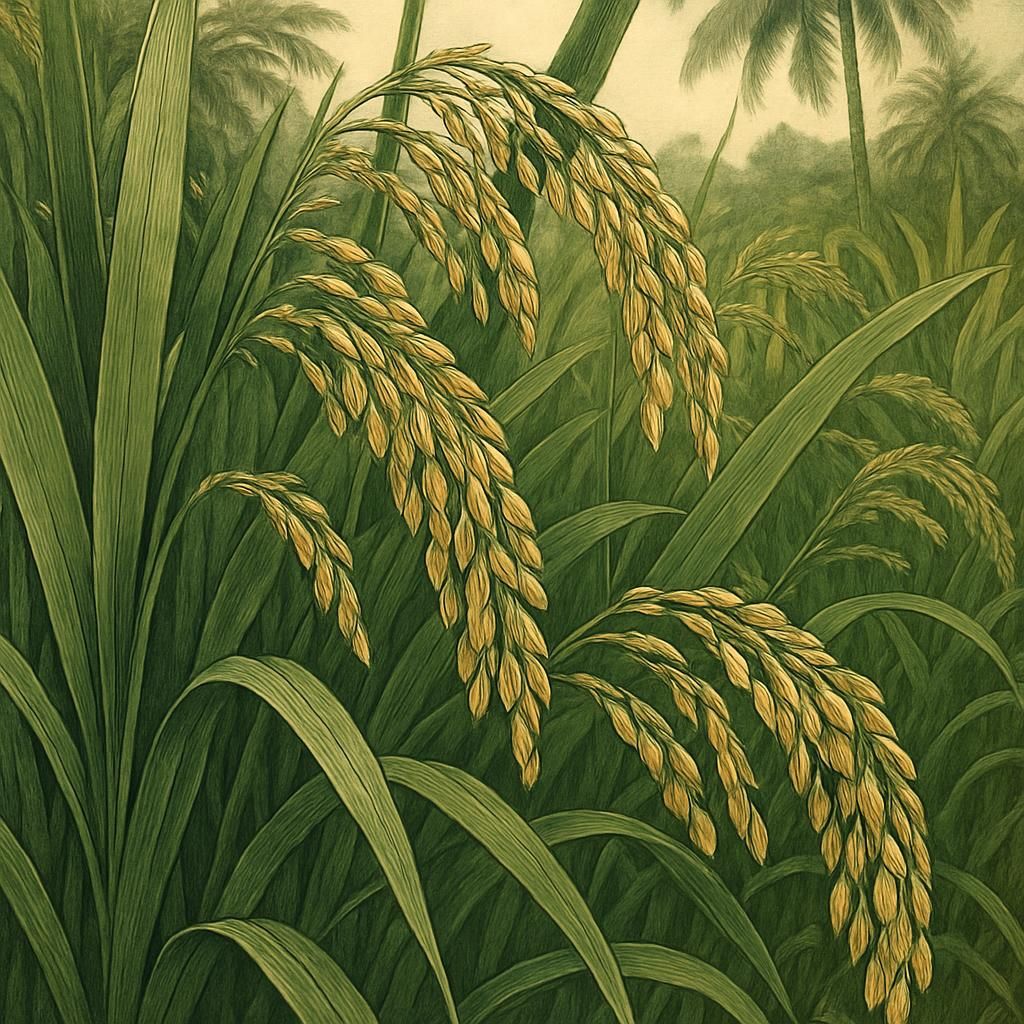
Introduction to Balam Rice
Balam Rice is a premium variety of rice known for its long, aromatic grains. Originating from regions with tropical climates, it is cherished for both its cooking qualities and rich fragrance. This guide provides a comprehensive overview of how to grow Balam Rice successfully, focusing on optimal conditions, care, and management practices.
Botanical Profile of Balam Rice
Balam Rice belongs to the species Oryza sativa, a staple in the diets of many cultures around the world. It is characterized by its elongated grains and distinct aroma, making it a sought-after choice in culinary applications.
Family: Poaceae
Genus: Oryza
Species: O. sativa
Soil, pH, and Climate Requirements for Balam Rice
Growing Balam Rice requires careful consideration of environmental conditions to maximize yield and quality. The following table outlines the ideal soil, pH, and climate conditions for this crop:
| Parameter | Ideal Condition |
|---|---|
| Soil Type | Clayey loam, well-drained |
| Soil pH | 5.5 - 6.5 |
| Temperature | 25°C - 35°C |
| Rainfall | 1000 - 2000 mm annually |
Step-by-Step Planting & Propagation
- Seed Selection: Choose high-quality Balam Rice seeds from a reputable source to ensure genetic purity.
- Land Preparation: Plow the field to a fine tilth and level it for uniform water distribution.
- Sowing: Directly sow the seeds in a flooded field or raise seedlings in a nursery before transplanting them at about three weeks old.
- Spacing: Ensure a spacing of approximately 20 cm x 15 cm between plants to facilitate proper growth.
Care & Maintenance Regimes for Balam Rice
The success of Balam Rice cultivation depends on careful attention to water management, fertilization, and pest control. Here is a maintenance schedule to follow:
| Task | Frequency | Details |
|---|---|---|
| Watering | Continuous Flooding | Keep fields flooded, especially in the early growth phase. |
| Fertilizer | Every 2-3 weeks | Use balanced NPK fertilizers to promote growth. |
| Pruning | As needed | Remove weeds and any unhealthy plants immediately. |
Pests, Diseases & Organic Management
Balam Rice is susceptible to several pests such as Spider Mites and diseases like rice blast. Integrated pest management (IPM) strategies, including the use of resistant varieties, crop rotation, and maintaining field hygiene, can significantly mitigate these issues.
For organic management approaches, consider biological control agents, neem oil applications, and companion planting, which is detailed more in the section below.
Harvesting, Curing & Optimal Storage
Balam Rice should be harvested when grains are fully mature and golden. After harvesting, allow the grains to properly dry and cure before storage. Store in a cool, dry place to maintain quality.
Companion Planting for Balam Rice
The practice of companion planting can aid in pest control and soil health. Plants such as Lychee benefit the growing environment of Balam Rice by providing shade and nutrient exchange. Additionally, cover crops can help improve soil structure and fertility.
For more insights on companion planting, read our Summer Companion Planting: 10 Organic Pairings to Boost Small Farm Resilience blog post.
For additional reading, explore the general Rice entry to understand broader cultivation practices.