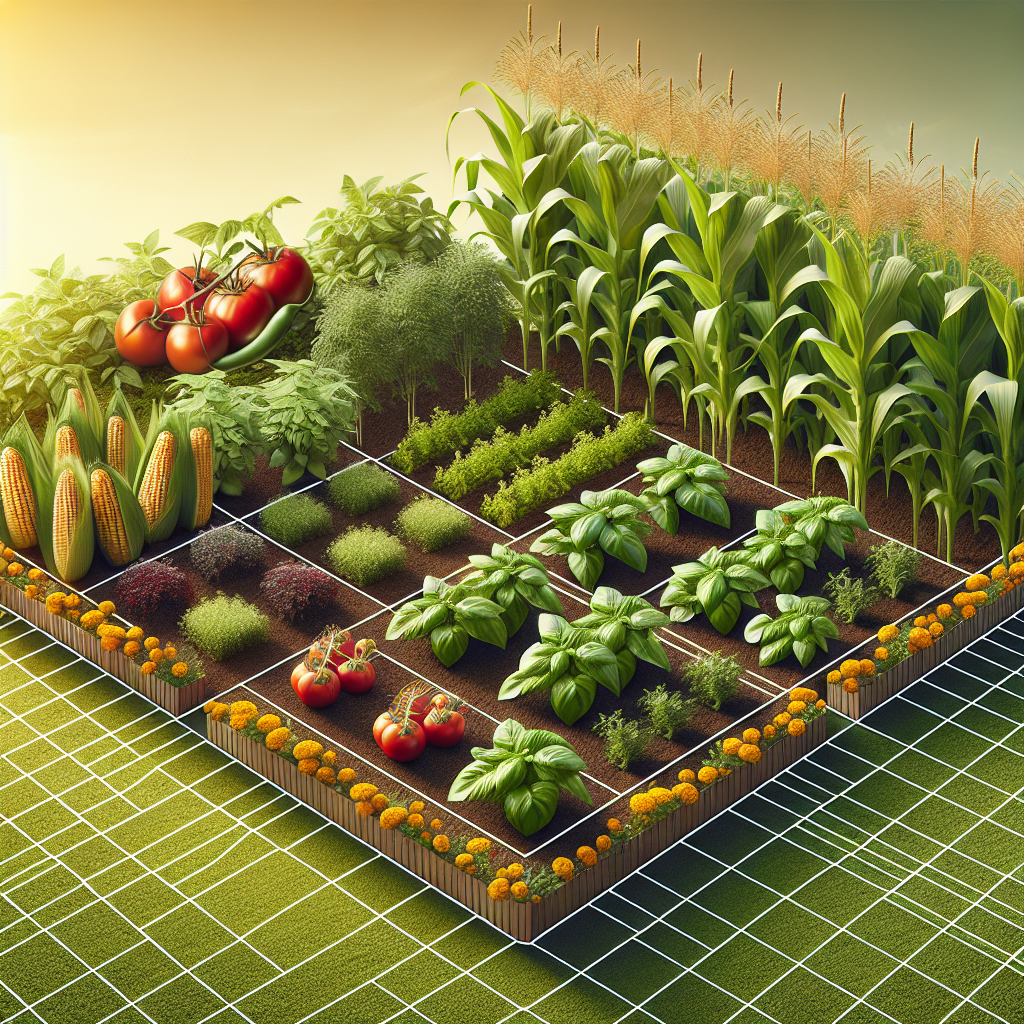
The Hidden Traps in Your Garden Beds
A single misplaced tomato plant next to potatoes can unleash a cascade of potato beetles across your entire plot, turning a promising harvest into a disappointment. Small farmers, homesteaders, and home gardeners frequently fall into companion planting pitfalls because traditional advice overlooks hyper-local conditions like your soil type, climate zone, and crop varieties. These mistakes drain time, resources, and potential income without you realizing it until harvest time reveals the damage.
Companion planting--pairing crops that mutually benefit each other--has roots in ancient practices, yet modern small-scale operations amplify errors due to limited space and diverse crop mixes. Getting it right means higher yields through natural pest deterrence, improved pollination, and better nutrient uptake, all without chemicals. This deep dive exposes seven blunders that sabotage even the most dedicated growers, offering practical, organic corrections to reclaim your farm's productivity.
Blunder 1: Ignoring Family Alliances
Plants from the same botanical family often compete fiercely for the same nutrients and attract shared pests. Planting brassicas like cabbage, broccoli, and kale together creates a pest buffet for cabbage worms, while nightshades (tomatoes, peppers, eggplant) clustered nearby invite the same hornworms to feast across the board.
Organic Fix: Diversify by family. Rotate nightshades with legumes like beans, which fix nitrogen to replenish soil. Check companion planting patterns for reliable rotations. Use this table for quick family checks:
| Plant Family | Examples | Poor Companions | Good Companions |
|---|---|---|---|
| Nightshade | Tomato, Pepper | Potato, Eggplant | Basil, Marigold |
| Brassica | Cabbage, Kale | Other Brassicas | Dill, Nasturtium |
| Legume | Beans, Peas | Onion, Garlic | Corn, Squash |
Space families at least 10-15 feet apart in small plots to break pest cycles.
Blunder 2: Overlooking Shade and Height Dynamics
Tall crops like corn or sunflowers towering over low-growers such as lettuce create perpetual shade, stunting growth and slashing yields by blocking sunlight. In compact homestead gardens, this vertical mismatch leads to leggy, unproductive plants below.
Organic Fix: Layer intentionally. Plant corn in blocks for wind pollination, then add pole beans to climb and squash at the base--the classic Three Sisters method. This maximizes vertical space while sun-loving companions like beans improve soil for all. Measure your plot's sun hours daily; aim for 6-8 hours per crop's needs.
Blunder 3: Planting Pest Magnets Too Close
Garlic and onions repel many pests, but placing them near beans or peas inhibits legume nitrogen fixation, weakening your soil builders. Conversely, fennel acts as a universal antagonist, stunting nearly everything nearby due to its allelopathic chemicals.
Organic Fix: Create buffer zones. Isolate fennel in its own dedicated patch. Pair garlic with tomatoes for aphid control, but keep it 4-6 feet from peas. For broader defense, integrate spring companion pairings. Nasturtiums as trap crops draw aphids away from brassicas--plant them 3 feet out.
Blunder 4: Neglecting Soil Nutrient Competitors
Greedy feeders like cabbage and strawberries both crave potassium, leading to deficiencies when planted together. Small farms can't afford widespread yellowing leaves or bitter fruits from nutrient lockout.
Organic Fix: Balance with givers. Follow heavy feeders with nitrogen-fixers like clover as cover crops. Use compost tea weekly to supplement. Here's a nutrient pairing guide:
| Heavy Feeder | Nutrient Need | Companion Fixer | Distance |
|---|---|---|---|
| Cabbage | Nitrogen, Potassium | Beans | 5 ft |
| Tomatoes | Phosphorus | Comfrey | 4 ft |
| Corn | All | Peas | Interplant |
Test soil annually with DIY kits for pH and macros--aim for 6.0-7.0.
Blunder 5: Forgetting Pollination Partners
Cucurbits like squash and pumpkins need bees, but planting them solo in isolated beds limits cross-pollination, resulting in misshapen fruits. Small gardens amplify this when monoculture dominates.
Organic Fix: Invite pollinators. Surround with bee magnets: borage, lavender, and zinnias. These not only boost fruit set but deter squash bugs naturally. Plant in clusters of 4-6 plants for better bee traffic.
Blunder 6: Crowding Out Root Space
Deep-rooted plants like carrots next to shallow-rooted onions compete underground, leading to stunted bulbs and forked roots. In tight raised beds, this blunder halves usable harvest.
Organic Fix: Match root depths. Pair carrots with leeks--onions deter carrot fly while carrots loosen soil for leeks. Thin seedlings to 2-4 inches apart. Mulch with straw to retain moisture without competition.
Blunder 7: Seasonal Mismatches
Summer heat lovers like okra planted with cool-season spinach bolt prematurely, wasting seeds and space. Ignoring your growing zone leads to repeated failures.
Organic Fix: Sequence by season. Spring: peas with lettuce. Summer: beans with corn. Fall: kale with garlic. Track your USDA hardiness zone via USDA Plant Hardiness Zone Map for precise timing. Succession plant every 2-3 weeks for continuous harvests.
Building a Bulletproof Companion Plan
Audit your current layout: map beds, note failures, and redraw with these fixes. Start small--one 10x10 bed--and expand. Organic matter like aged manure annually rebuilds soil resilience. Monitor weekly for early pest signs, adjusting pairs as needed.
Over time, these corrections compound: healthier soil, fewer interventions, bigger harvests. Small-scale growers thrive by working smarter, not harder. Integrate cover crops between seasons to prevent soil fatigue. Your farm's layout is its foundation--refine it relentlessly for enduring success.