How to Save Dying Watermelon Seedlings: Causes, Organic Treatments, and Prevention
Watermelon seedlings can collapse suddenly, leaving gardeners frustrated after investing time in starting seeds. This common problem often stems from environmental stress, pathogens, or cultural mistakes that are easy to correct with organic methods.
Introduction
Young Watermelon plants are especially vulnerable during the first few weeks after germination. When seedlings wilt, turn brown at the base, or topple over, quick identification of the cause allows you to intervene before the entire tray or bed is lost. Understanding the biology behind seedling decline helps you choose targeted, chemical-free remedies that protect both the crop and the soil ecosystem.
Common Causes
Several factors can cause watermelon seedlings to fail. The most frequent culprits include fungal diseases, watering errors, and temperature fluctuations.
Damping-Off Disease
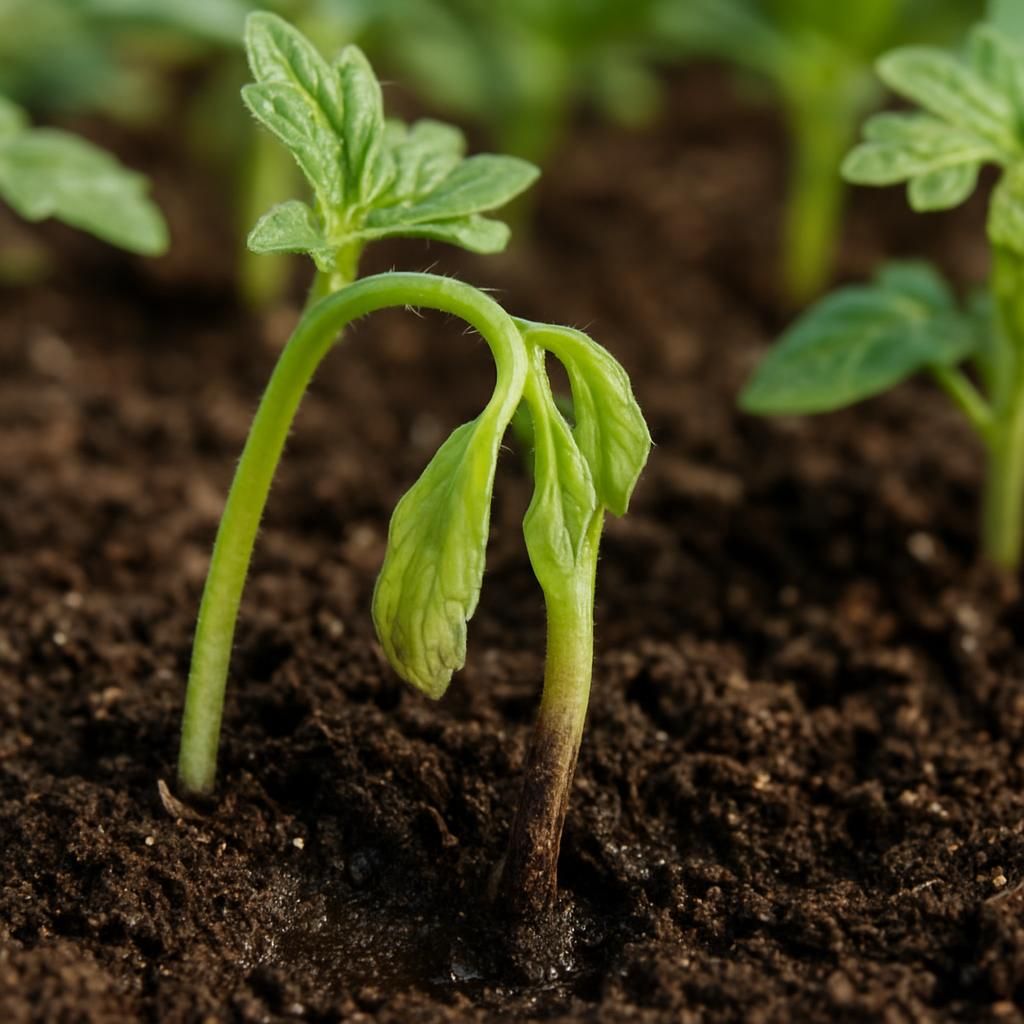
Damping-off is caused by soil-borne fungi such as Pythium and Rhizoctonia. It typically strikes when soil remains overly wet and temperatures are cool. Infected seedlings develop a dark, constricted area at the soil line and collapse within hours.
Overwatering and Poor Drainage
Watermelon seedlings prefer consistent moisture but hate soggy conditions. Excessive watering reduces oxygen in the root zone, encouraging root rot and creating the perfect environment for pathogens.
Temperature Stress
Cool soil temperatures below 70°F (21°C) slow germination and weaken seedlings, making them susceptible to disease. Sudden drops at night or cold drafts from windows can also trigger collapse.
Nutrient Imbalances
While less common in very young seedlings, over-fertilization or extremely poor soil can burn tender roots or cause nutrient lockout, resulting in yellowing and wilting.
Step-by-Step Organic Solutions
Follow this sequence to rescue affected seedlings and restore healthy growth.
Step 1: Assess and Isolate
Examine each seedling closely. Remove and discard any that show dark lesions or mushy stems to prevent spread. Move remaining healthy seedlings to a brighter, warmer location with good airflow.
Step 2: Improve Drainage and Reduce Moisture
| Action | Details | Frequency |
|---|---|---|
| Repotting | Transfer seedlings into fresh, sterile seed-starting mix with added perlite or coarse sand | Once |
| Watering adjustment | Water only when the top inch of soil feels dry; use a spray bottle for gentle application | As needed |
| Bottom watering | Place trays in a shallow pan of water for 10-15 minutes, then drain thoroughly | Daily check |
Step 3: Apply Organic Fungicide Treatments
- Sprinkle cinnamon or chamomile tea on the soil surface as natural antifungal agents.
- Use a diluted solution of hydrogen peroxide (1 part 3% peroxide to 4 parts water) to drench the soil once, which oxygenates the root zone and suppresses pathogens.
- Apply compost tea or beneficial microbe inoculants to rebuild soil biology.
Step 4: Optimize Temperature and Light
Maintain daytime temperatures between 75-85°F (24-29°C) and nighttime temperatures above 65°F (18°C). Supplement with grow lights positioned 2-4 inches above seedlings for 14-16 hours daily.
Step 5: Monitor and Support Recovery
Watch for new true leaf growth within 5-7 days. Once seedlings regain vigor, gradually harden them off before transplanting into the garden.
Prevention Tips
Prevent future losses by adopting these best practices from the start.
- Always use fresh, sterile seed-starting mix rather than garden soil.
- Sow seeds in well-draining containers with drainage holes.
- Water early in the day so foliage dries quickly.
- Provide bottom heat mats to keep soil consistently warm.
- Space seedlings properly to ensure good air circulation.
- Rotate seed-starting areas each season and avoid reusing contaminated trays without thorough cleaning with a 10% bleach solution followed by rinsing.
By addressing moisture, temperature, and soil health together, you can dramatically improve survival rates for Watermelon and related crops such as Cucumber. Consistent observation during the seedling stage remains the most effective organic strategy for a productive harvest.