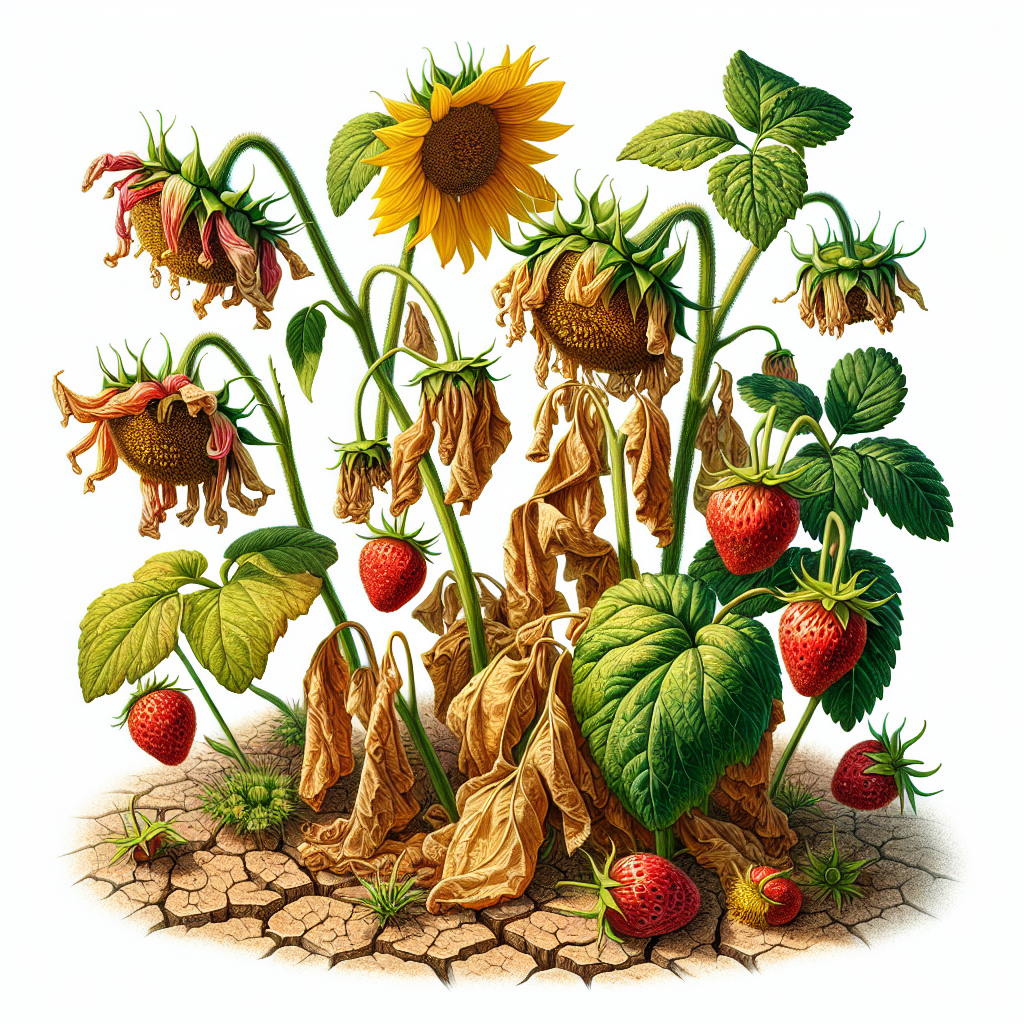
How to Revive Wilting and Dying Flowers: Step-by-Step Organic Fixes for Garden Blooms
Introduction
Nothing is more disheartening for a gardener than seeing vibrant flowers suddenly wilting, dropping petals, or turning brown as if they're on the verge of death. Whether you're growing showy sunflowers that tower in the summer heat, delicate strawberry blossoms promising sweet fruit, or clusters of tomato flowers essential for fruit set, these signs of distress can halt your garden's progress. The good news? Most cases of "dying" flowers are reversible with prompt diagnosis and organic interventions. This guide breaks down the most common culprits behind wilting and fading blooms, provides actionable step-by-step solutions prioritizing natural methods, and shares prevention strategies to keep your flowers thriving season after season. By addressing issues like improper watering, nutrient imbalances, and environmental stress, you'll restore health to your plants and boost future yields.
Common Causes of Dying Flowers
Flowers don't decline overnight--symptoms build from underlying problems. Understanding the root cause is key to effective treatment. Below is a diagnostic table comparing frequent issues, their symptoms, and affected plant types.
| Cause | Key Symptoms | Commonly Affected Flowers/Crops | Environmental Clues |
|---|---|---|---|
| Underwatering | Drooping petals and leaves, dry soil, crisp edges | Sunflowers, tomatoes, strawberries | Hot, dry weather; infrequent rain |
| Overwatering | Yellowing leaves, mushy stems, root rot smell | Strawberries, delicate annuals | Soggy soil, poor drainage, heavy rain |
| Nutrient Deficiency | Pale or yellow leaves, stunted blooms, weak stems | Tomatoes, fruiting flowers | Poor soil fertility, no compost |
| Pests | Holes in petals, sticky residue, visible insects | Sunflowers (aphids), strawberries (spider mites) | Warm, humid conditions |
| Diseases/Fungi | Spots on petals, powdery mildew, wilting despite moisture | Tomatoes (blight), many perennials | High humidity, crowded planting |
| Light/Temperature Stress | Scorched petals, leggy growth, flower drop | All exposed flowers | Extreme heat (>90°F), too much/little sun |
| Poor Soil pH | Overall decline, iron chlorosis (yellow veins) | Acid-loving blooms | Alkaline soils without amendments |
Use this table to pinpoint your issue: inspect plants closely in the morning when wilting is most evident, check soil moisture 2 inches deep, and note weather patterns over the past week.
Detailed Breakdown of Causes
Water Issues (Most Common): Flowers like sunflowers can wilt dramatically from thirst during peak bloom, while overwatering leads to fungal root rot in strawberries. Probe soil with your finger--if it's bone-dry or waterlogged, that's your first clue.
Nutritional Shortfalls: Flowering demands nitrogen for leaves, phosphorus for blooms, and potassium for resilience. Deficiencies mimic "dying" but respond quickly to organics.
Pests and Pathogens: Aphids suck sap from tomato flowers, causing distortion; fungal spores thrive in wet foliage, browning petals.
Environmental Factors: Heat waves scorch blooms, while cold snaps (<50°F) halt flower development.
Step-by-Step Organic Solutions
Act fast--delay worsens damage. Follow these organic-first steps, tailored for garden flowers and crops.
Step 1: Immediate Assessment and First Aid (Day 1)
- Quarantine Affected Plants: Move or isolate to prevent spread (e.g., fungal spores to nearby tomatoes).
- Deep Water Check: Water deeply but infrequently. For underwatered flowers, soak soil until it drains out; for overwatered, let dry 2-3 days.
- Trim Dead Parts: Use clean shears to remove wilted flowers and yellow leaves at the base. This redirects energy to healthy growth.
Step 2: Address Water and Soil Balance (Days 1-3)
- Improve Drainage: Mix in compost or perlite (20% by volume) for raised beds. For potted flowers, repot into well-draining organic potting mix.
- Mulch Organically: Apply 2-3 inches of straw or wood chips around bases to retain moisture and suppress weeds. Avoid piling against stems.
- Watering Schedule: Early morning, 1 inch per week. Use a rain gauge; adjust for rain.
Step 3: Boost Nutrition with Organic Amendments (Week 1)
- Compost Tea: Brew by steeping 1 part compost in 5 parts water for 3 days. Apply as foliar spray weekly--rich in microbes for nutrient uptake.
- Targeted Feeds:
Nutrient Need Organic Source Application Rate Nitrogen Blood meal or fish emulsion 1 tbsp/gallon, monthly Phosphorus Bone meal or rock phosphate 2 tbsp/sq ft, once/season Potassium Wood ash or banana peels 1 cup/sq ft, bi-monthly
Bury amendments shallowly and water in.
Step 4: Combat Pests and Diseases Naturally (Ongoing)
- Pest Control: Blast aphids off with water hose. Spray neem oil (1 tsp/quart water + soap) evenings, 3x/week. Introduce ladybugs for sunflowers.
- Fungal Fixes: Improve air circulation by spacing plants 12-18 inches. Apply baking soda spray (1 tbsp baking soda + 1 tsp soap/gallon) preventively. Milk dilution (1:9 water) works wonders for powdery mildew on strawberries.
- Soil pH Adjustment: Test with a kit (ideal 6.0-7.0). Add elemental sulfur for high pH or lime for low.
Step 5: Optimize Environment (Week 2+)
- Shade Cloth: 30% shade during heat waves for tender blooms.
- Wind Breaks: Plant companion hedges like nasturtiums to shield from gusts.
Monitor progress: New growth in 7-10 days signals recovery. If no improvement, test soil professionally.
Prevention Tips for Healthy Flowers Year-Round
Prevention beats cure. Integrate these habits:
- Crop Rotation and Selection: Rotate flowers with veggies; choose resilient varieties like disease-resistant tomato hybrids.
- Soil Building: Annual compost top-dressings maintain fertility. Cover crops like clover off-season.
- Integrated Pest Management (IPM): Scout weekly; use row covers, beneficial insects, and trap crops.
- Seasonal Timing: Plant flowers after last frost; succession sow for continuous blooms.
- Weather Prep: Mulch heavily pre-summer; use cloches for cold snaps.
- Record Keeping: Note successes--e.g., sunflowers thrived with weekly compost tea.
By focusing on organic practices, you'll not only revive current flowers but create a resilient garden ecosystem. Expect fuller blooms and higher yields in strawberries, tomatoes, and beyond. With consistent care, your flowers will flourish, not fade.
(Word count: 912)