Introduction
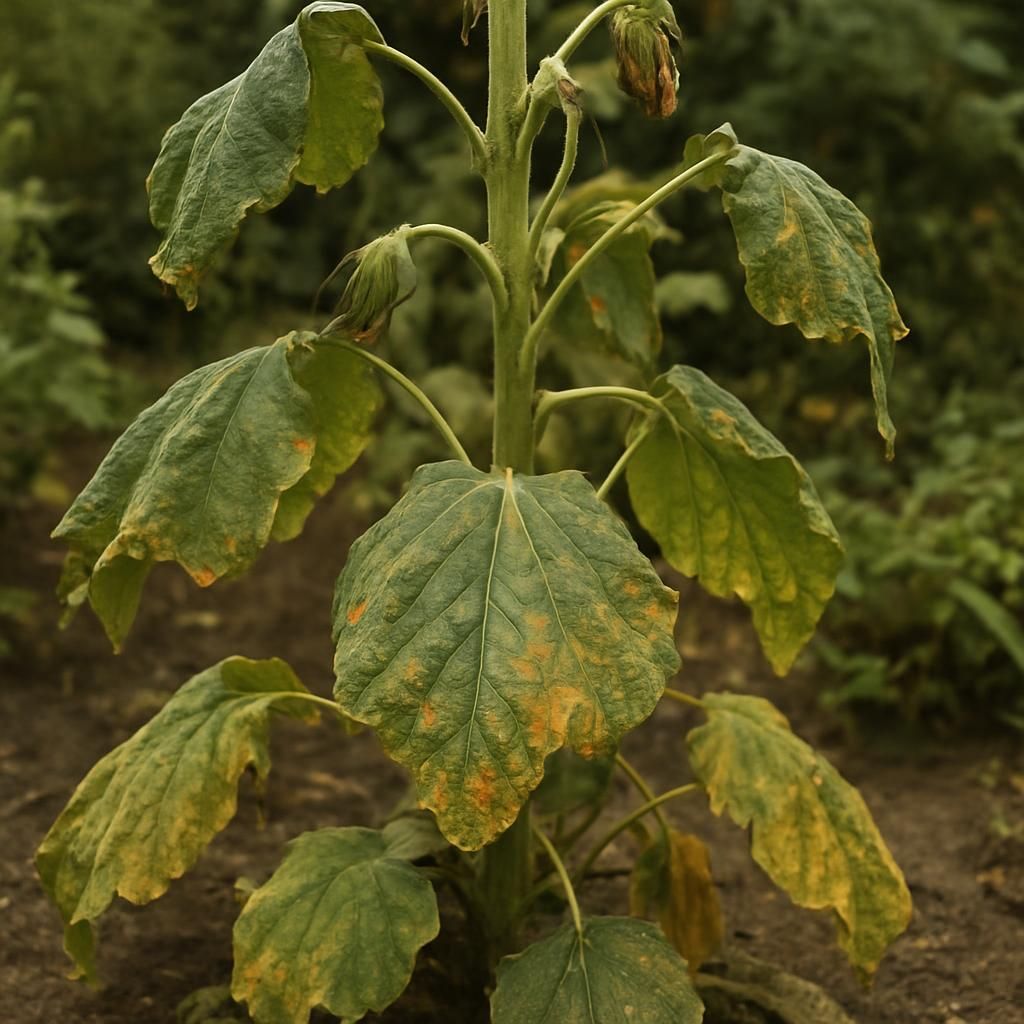
Hollyhocks are beloved for their towering spikes of colorful blooms, but when they start looking sad--drooping stems, yellowing or spotted leaves, or stunted growth--it signals underlying stress. These tall perennials (Alcea rosea) often suffer from environmental factors, pests, or diseases that weaken their appearance and flowering potential. Addressing the root cause promptly with organic approaches restores health without synthetic chemicals, ensuring your hollyhocks thrive season after season.
Common Causes
Sad-looking hollyhocks typically result from a combination of issues. Accurate diagnosis begins with observing symptoms closely.
Fungal Diseases
Hollyhock rust is the most frequent culprit, caused by the fungus Puccinia malvacearum. It produces orange or brown pustules on leaf undersides, leading to yellowing, curling, and premature leaf drop. Other fungi like powdery mildew create white powdery coatings in humid conditions.
Pests and Insects
Aphids cluster on new growth, causing distortion and sticky honeydew. Spider mites produce fine webbing and stippled leaves, while Japanese beetles skeletonize foliage. Slugs and snails chew irregular holes, especially in moist environments.
Soil and Nutrition Problems
Poor drainage leads to root rot, resulting in wilting despite wet soil. Nutrient deficiencies, particularly nitrogen or potassium, cause pale leaves and weak stems. Compacted or depleted soil limits root expansion.
Environmental Stress
Inadequate sunlight (less than six hours daily) produces leggy, pale plants. Overwatering or underwatering disrupts turgor, while extreme heat or transplant shock causes temporary droop.
| Symptom | Likely Cause | Severity |
|---|---|---|
| Yellowing leaves with orange spots | Hollyhock rust | High |
| Stippled leaves with webbing | Spider mites | Medium |
| Wilting in wet soil | Root rot | High |
| Distorted new growth | Aphids | Medium |
Step-by-Step Organic Solutions
Treat hollyhocks using integrated, organic methods that target causes while supporting beneficial organisms.
1. Improve Cultural Conditions
- Ensure full sun exposure and well-draining soil amended with compost.
- Water at the base early in the day to keep foliage dry, providing about 1 inch per week.
- Mulch with organic material to retain moisture and suppress weeds.
2. Manage Fungal Issues Organically
- Remove and destroy infected leaves immediately to reduce spore spread.
- Apply neem oil or a baking soda spray (1 teaspoon baking soda + 1 quart water + few drops dish soap) weekly as a preventive.
- Improve air circulation by spacing plants 18-24 inches apart and pruning lower leaves.
3. Control Pests Naturally
- Spray aphids and mites with strong jets of water or insecticidal soap.
- Introduce beneficial insects like ladybugs and lacewings.
- Handpick larger pests such as beetles and drop them into soapy water.
- Plant companion species like Garlic or Onion nearby to deter insects through natural repellency.
4. Correct Soil and Nutrition
- Test soil pH (ideal 6.0-7.0) and amend with aged compost or well-rotted manure.
- Apply organic fertilizers high in potassium for stronger stems and blooms.
- Aerate compacted soil gently around the root zone.
Monitor progress over 2-4 weeks, repeating treatments as needed. Severe cases may require removing heavily infected plants to protect the garden.
Prevention Tips
Prevent future problems with proactive, organic practices:
- Choose rust-resistant hollyhock varieties when available.
- Rotate planting locations every few years to break disease cycles.
- Maintain garden hygiene by clearing debris in fall.
- Encourage biodiversity with pollinator-friendly plants and avoid broad-spectrum pesticides.
- Monitor regularly, especially during humid or dry spells.
Consistent attention to these steps keeps hollyhocks robust and floriferous. For similar tall-flowering plants, practices used with Sunflower can provide additional insights on spacing and support.