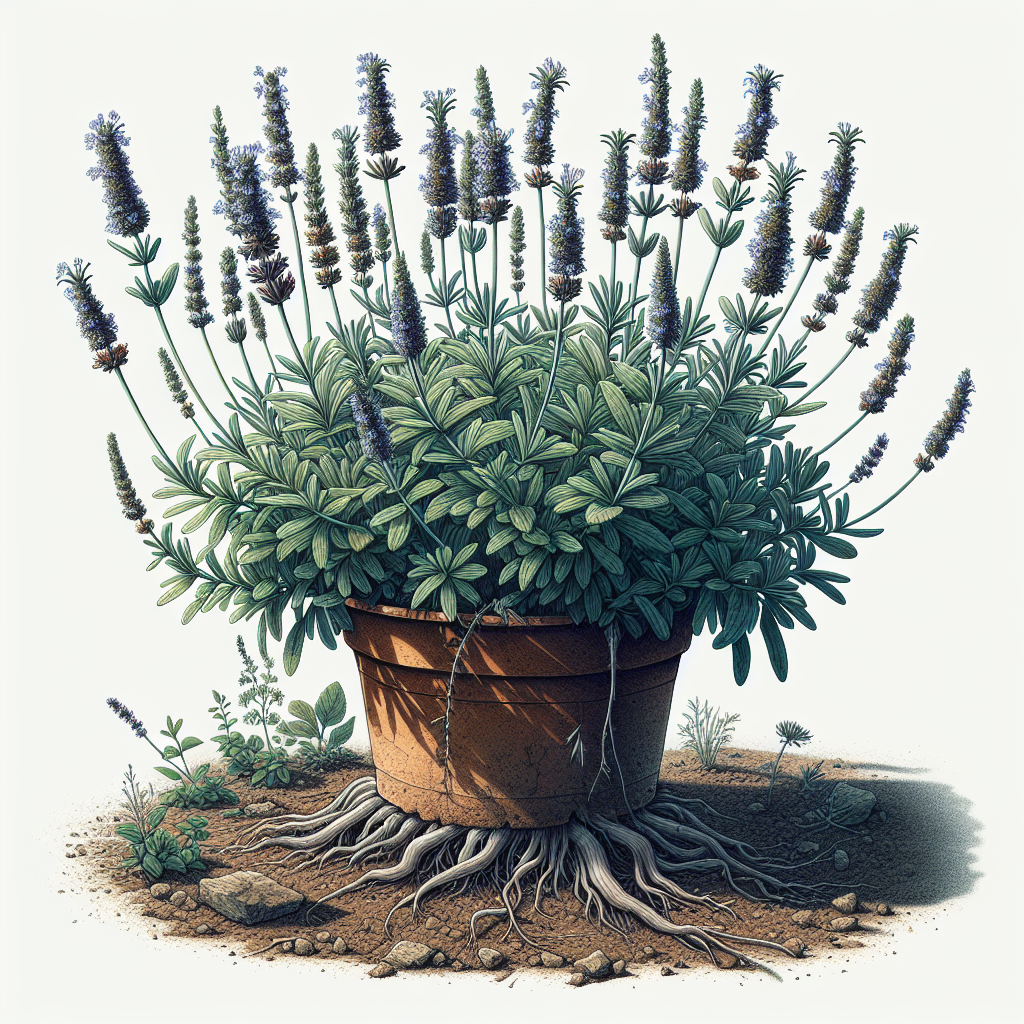
How to Revive Lavender Plants Drying Out from the Bottom: Organic Fixes for Lush Growth
Lavender (Lavandula spp.) is a beloved perennial herb prized for its fragrant blooms, silvery foliage, and drought-tolerant nature. However, many gardeners notice their plants drying out from the bottom, with woody stems becoming bare, leaves turning brown and crispy, and the plant looking leggy or drooping. This common issue, often seen in home gardens, vegetable plots, or containers, signals underlying stress that can be reversed with prompt, organic intervention. Whether you're growing English lavender (L. angustifolia) suited to Zone 5 winters or French varieties (L. dentata), understanding the causes and applying targeted fixes will help your lavender thrive year after year.
In this guide, we'll explore the root (pun intended) of the problem, provide actionable organic solutions, and share prevention strategies to keep your lavender lush and productive. By focusing on soil health, proper watering, and maintenance, you can transform straggly plants into vibrant specimens that attract pollinators and enhance your garden.
Common Causes of Lavender Drying from the Bottom
Lavender originates from the Mediterranean, thriving in lean, well-drained soils with minimal water. When it dries out from the base, it's rarely from true underwatering--more often, it's a symptom of excess moisture, poor cultural practices, or environmental stress. Here's a breakdown of the most frequent culprits:
| Cause | Symptoms | Why It Happens |
|---|---|---|
| Root Rot from Overwatering/Poor Drainage | Brown, mushy roots; wilting foliage starting at base; foul soil odor | Lavender hates "wet feet." Heavy clay soils or overzealous watering lead to fungal pathogens like Phytophthora. Common in new plants from seed or pots. |
| Improper Pruning/Woody Aging | Bare, woody lower stems; sparse top growth; no dieback odor | Lavender becomes leggy without annual cuts, exposing older wood that naturally dies back. Untreated, it looks sparse. |
| Winter Dieback (Cold Zones) | Browning from bottom post-frost; cracked bark on stems | In Zone 5, unprotected crowns heave in freeze-thaw cycles, killing basal tissues. Lavender from seed may lack hardiness. |
| Nutrient Imbalance | Yellowing before browning; stunted growth | Excess nitrogen promotes weak, lush growth prone to rot; deficiencies in phosphorus/potassium weaken roots. |
| Pests or Diseases | Spotted leaves; webbing; sudden droop | Root aphids, spider mites, or fungal issues like Verticillium wilt exacerbate drying. Less common but check in humid areas. |
Diagnose by gently digging around the base: healthy roots are white/firm; rotten ones are black/soft. Scratch-test stems--green under bark means alive; brown is dead.
Step-by-Step Organic Solutions to Revive Your Lavender
Act quickly--spring or early summer is ideal for recovery. Use organic methods to avoid chemicals, promoting long-term soil biology. Expect visible improvement in 4-6 weeks.
Step 1: Assess and Improve Soil Drainage (1-2 Days)
Lavender demands gritty, fast-draining soil mimicking rocky hillsides. Test drainage by digging a 12-inch hole, filling with water--if it lingers >2 hours, amend immediately.
- For In-Ground Plants: Lift the plant gently, mix in 30-50% organic matter like coarse sand, perlite, or pine fines (not peat, which holds moisture). Raised beds (8-12 inches high) are gold-standard for Zone 5.
- For Potted Lavender: Repot into terracotta with a cactus/succulent mix: 1 part compost, 2 parts sand/grit, 1 part perlite. Ensure pots have drainage holes.
- Organic Amendment Recipe:
Ingredient Amount per Plant Benefit Coarse sand 2-3 gallons Improves aeration Composted bark 1 gallon Adds structure Worm castings 1 cup Boosts microbes
Water sparingly post-repot (once, deeply), then withhold for 7-10 days.
Step 2: Prune Aggressively but Safely (Spring Ideal)
Remove dead wood to redirect energy to new growth. Lavender tolerates hard pruning better than neglect.
- Use clean shears sterilized in 10% bleach.
- Cut back by 1/3 to 1/2, to green wood only--never into old brown stems, as it won't regrow.
- Shape into a mound: shorter at base, taller center.
- For severe cases, cut to 2-3 inches above soil; mulch heavily.
Pro Tip: Prune after bloom (July-August) annually. Companion plant with drought-lovers like Thyme or Yarrow for natural support.
Step 3: Adjust Watering and Mulch for Drought Tolerance
Overwatering kills more lavender than drought. Train roots deep.
- Watering Schedule: Deep soak every 2-3 weeks in summer (1 inch/week max). Finger-test soil 2 inches down--dry before watering. Reduce in winter.
- Mulch Organically: Apply 2 inches of gravel, pea stone, or shredded bark (not wood chips, which retain moisture). Keeps crowns dry, suppresses weeds.
In Zone 5, protect from winter wet with a gravel mulch dome over the crown.
Step 4: Feed Organically and Boost Root Health
Avoid high-nitrogen fertilizers; opt for low-N, high-PK.
- Compost Tea: Brew 1 cup compost + 1 tbsp molasses in 1 gallon water (aerate 24 hours). Apply monthly.
- Rock Dust or Bone Meal: 1-2 tbsp per plant, worked into topsoil. Provides slow-release phosphorus.
- Mycorrhizal Inoculant: Sprinkle at roots during repot--fungi extend drought resistance.
| Fertilizer | N-P-K | Application Rate | Frequency |
|---|---|---|---|
| Bone Meal | 4-12-0 | 1 tbsp/sq ft | Spring |
| Kelp Meal | 1-0.1-2 | 1 tsp/gallon | Monthly |
| Wood Ash | 0-1-3 | 1/4 cup/plant | Fall (lime soils) |
Step 5: Monitor and Treat Secondary Issues
- Pests: Hose off mites; neem oil for aphids (dilute 1 tsp/gallon, evening spray).
- Diseases: Remove rotty roots; copper fungicide if needed (organic-approved).
- Cold Protection: In Zone 5, hill soil 4 inches at base pre-frost; use burlap windbreaks.
Prevention Tips for Lush, Evergreen Lavender
Prevention beats cure. Site lavender in full sun (6+ hours), on slopes or raised areas. Choose hardy varieties like 'Munstead' or 'Hidcote' for Zone 5.
- Annual Routine: Prune post-bloom; top-dress gravel mulch; divide every 4-5 years.
- Soil pH: Maintain 6.5-7.5 with lime if acidic.
- Planting Depth: Crown at soil level--too deep rots.
- From Seed Success: Harden off seedlings; plant out after last frost in gritty mix.
Long-Term Timeline:
| Month | Action |
|---|---|
| Spring | Prune, amend soil, first compost tea |
| Summer | Water sparingly, deadhead blooms |
| Fall | Mulch crowns, bone meal |
| Winter | Monitor for heaving; protect base |
With these organic strategies, your lavender will rebound lushly, potentially living 10+ years. Pair with Thyme for a Mediterranean herb bed that deters pests naturally. Patient gardeners see fuller plants by next season--happy growing!
(Word count: 912)