Introduction
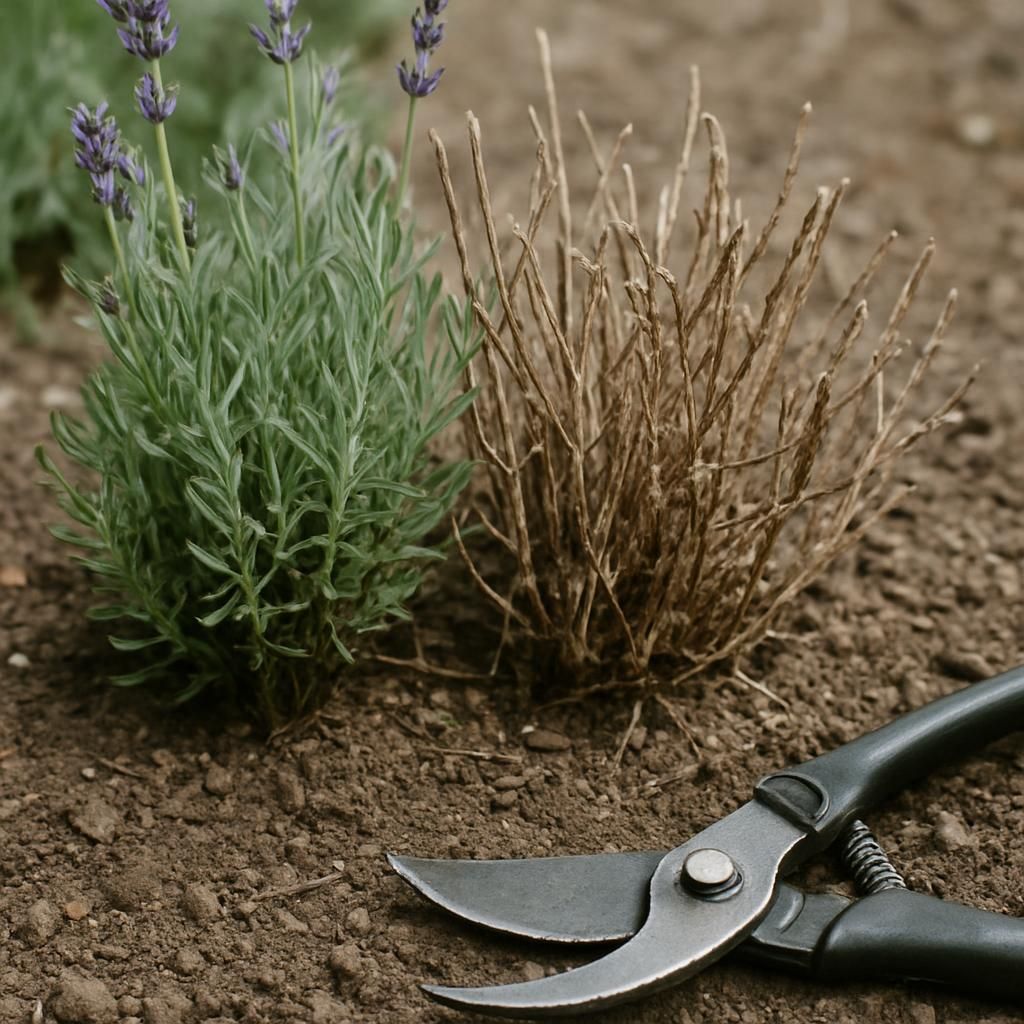
Lavender plants often appear half-alive after winter or during stressful growing seasons, with sections of brown, drooping stems contrasting against green new growth. Gardeners frequently wonder whether cutting back the dead parts will help or harm the plant. Proper diagnosis and careful pruning can bring most struggling lavender back to full productivity while maintaining its signature fragrance and shape.
Common Causes
Several environmental and cultural factors lead to drooping or partial dieback in lavender:
- Overwatering or poor drainage that causes root rot
- Insufficient sunlight resulting in weak, leggy stems
- Nutrient-poor or overly fertile soil
- Extreme winter cold without adequate protection
- Pest pressure or fungal issues in humid conditions
| Cause | Typical Symptoms | Risk Level |
|---|---|---|
| Overwatering | Yellowing lower leaves, soft stems | High |
| Low light | Sparse foliage, leaning habit | Medium |
| Winter damage | Brown tips and cracked stems | High |
| Poor soil | Stunted growth, pale color | Medium |
Step-by-Step Organic Solutions
Assess Plant Health
Begin by examining the lavender in early spring once new growth appears. Scratch the bark on suspect stems; green tissue underneath indicates live wood that should be preserved.
Prune Dead Growth
Use clean, sharp bypass pruners to remove only fully dead stems. Cut just above a healthy node or outward-facing bud at a 45-degree angle. Never remove more than one-third of the plant at once.
Improve Drainage and Soil
Amend heavy clay soils with coarse sand and compost to create the gritty, fast-draining conditions lavender prefers. Raised beds or containers with drainage holes are excellent alternatives.
Watering Adjustments
Water deeply but infrequently, allowing the top two inches of soil to dry between sessions. Established plants typically need water only during prolonged drought.
Companion Planting for Support
Interplant lavender with Garlic or Onion to naturally deter pests and improve overall garden biodiversity. These alliums also benefit from the same well-drained soil conditions.
Mulching and Protection
Apply a thin layer of gravel mulch around the base to suppress weeds and reflect heat while keeping crowns dry. In colder climates, wrap plants loosely with burlap for winter wind protection.
Prevention Tips
- Site lavender in full sun with at least six to eight hours of direct light daily.
- Choose hardy varieties suited to your USDA zone.
- Avoid high-nitrogen fertilizers that encourage soft growth prone to winter kill.
- Divide or replace plants every four to five years to maintain vigor.
- Monitor for early signs of stress and address drainage issues immediately.
Following these organic practices will keep lavender healthy, compact, and productive for many seasons while minimizing the need for corrective pruning.