Introduction
Many home gardeners growing burpless cucumbers wonder exactly when their first fruit is ready to harvest. Picking too early results in underdeveloped flavor and texture, while waiting too long produces bitter, seedy, or oversized fruit. Burpless varieties, prized for their thin skins and mild taste, require specific attention to size, color, and firmness. Understanding these indicators ensures you enjoy crisp, sweet cucumbers at their best while encouraging the plant to keep producing.
Common Causes of Harvest Timing Issues
Several factors influence when burpless cucumbers reach maturity. The most frequent cause is relying solely on calendar days rather than observing the fruit itself. Seed packets typically list 50-65 days to maturity, but actual timing varies with temperature, sunlight, and soil fertility.
Another common issue is misjudging size. Burpless cucumbers are often harvested at 8-10 inches long, yet some gardeners let them grow much larger, thinking bigger is better. Overgrown fruits quickly become bitter due to increased cucurbitacin compounds.
Environmental stress also plays a role. Inconsistent watering or extreme heat can accelerate or delay ripening signals, causing fruit to yellow prematurely or remain small. Nutrient imbalances, particularly excess nitrogen, promote leafy growth at the expense of fruit development.
Finally, first-time growers often hesitate on their initial harvest, fearing damage to the vine. This delay allows cucumbers to pass their prime window.
Step-by-Step Organic Solutions
Follow these practical steps to determine readiness and harvest correctly.
Step 1: Monitor Daily Once Flowering Begins
Check plants every morning. Burpless cucumbers grow rapidly--up to two inches per day in warm weather. Note the date the first female flowers appear (those with a tiny cucumber behind the bloom).
Step 2: Measure Length and Diameter
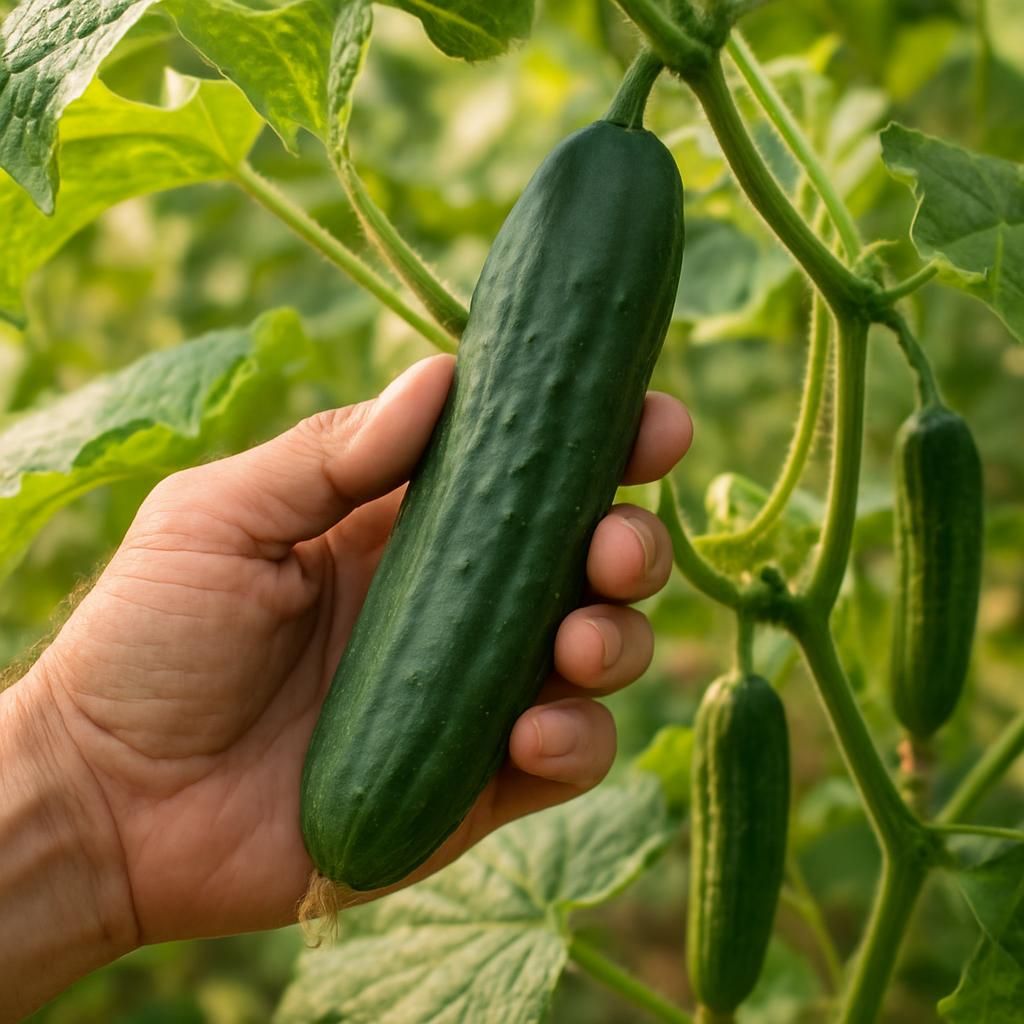
Use a ruler or tape. Most burpless types are ready at 8-10 inches long and 1.5-2 inches in diameter. The skin should feel smooth and thin, not bumpy or thick.
Step 3: Assess Color and Firmness
Look for deep green color without any yellowing at the blossom end. Gently squeeze the fruit; it should feel firm yet yield slightly under pressure. Soft or spongy texture indicates over-maturity.
Step 4: Perform the Taste Test on One Fruit
Harvest one cucumber at the suspected ideal size. Slice and taste. It should be crisp, mildly sweet, and free of bitterness. If bitter, allow remaining fruit an extra day or two before checking again.
Step 5: Harvest Using Clean Tools
Use sharp pruners or scissors to cut the stem ¼ inch above the fruit. Pulling can damage the vine and reduce future production. Harvest in the morning when sugar levels are highest.
| Harvest Indicator | Ready | Too Early | Too Late |
|---|---|---|---|
| Length | 8-10 inches | Under 6 inches | Over 12 inches |
| Color | Uniform deep green | Pale green | Yellow streaks |
| Texture | Firm, smooth | Hard, small | Soft, seedy |
| Taste | Sweet, crisp | Bland | Bitter |
Prevention Tips
To avoid harvest timing problems in future seasons, select varieties suited to your climate, such as Cucumber or English Greenhouse Cucumber. Maintain consistent soil moisture with organic mulch and drip irrigation. Rotate crops annually and enrich soil with compost rather than high-nitrogen fertilizers. Keep vines trellised for better air circulation and easier monitoring. Harvest every two to three days once production starts to prevent any fruit from over-maturing and signaling the plant to slow down. Record planting and first-harvest dates each year to refine your timing intuition.
Regular observation combined with these organic practices will deliver continuous, high-quality burpless cucumbers from your garden.