Introduction
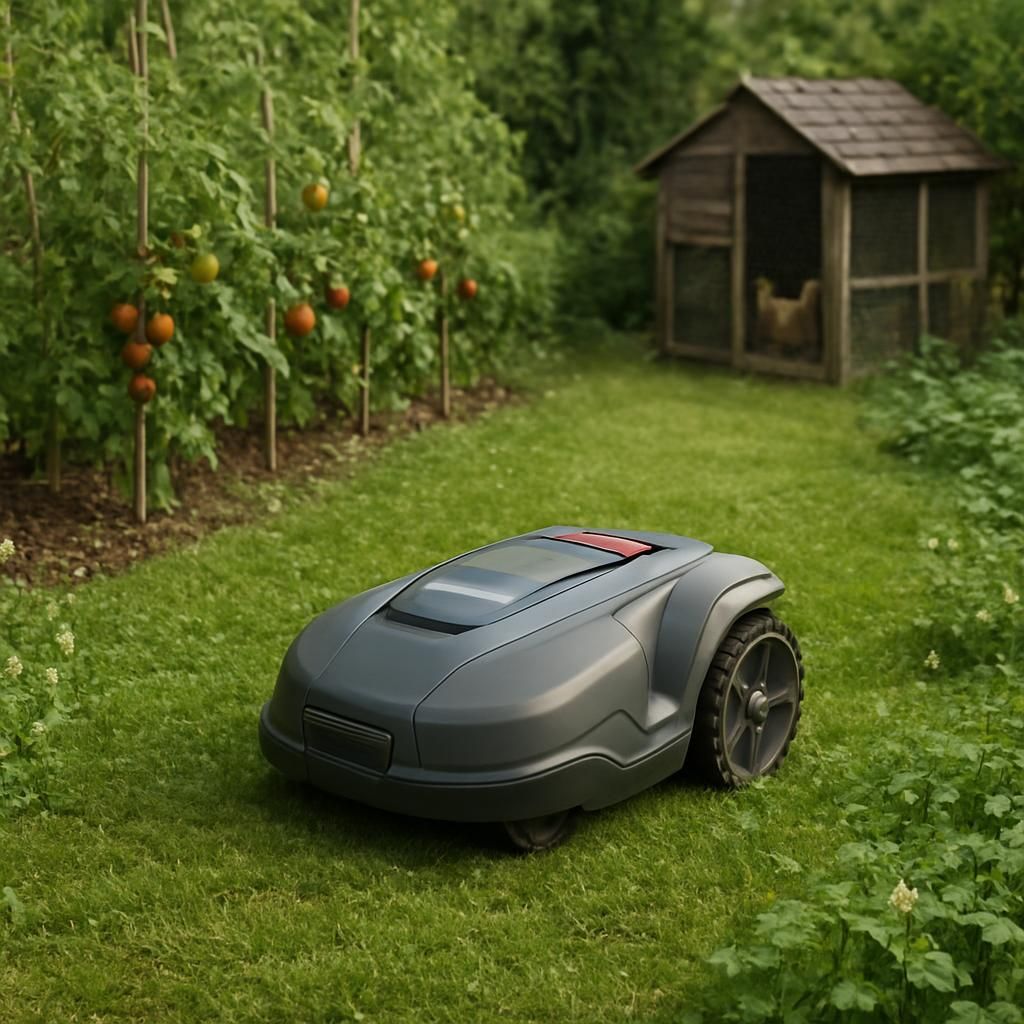
Homesteaders often seek efficient ways to manage grass and vegetation across pastures, orchards, and garden edges without relying on gas-powered equipment or chemical herbicides. Robotic mowers offer a quiet, electric alternative that can keep land tidy while supporting organic practices. Many users on forums like r/homestead ask about deploying these devices on mixed-use properties where chickens, compost systems, and crop rows coexist. This guide explains practical considerations, setup steps, and maintenance strategies that align with organic-first principles.
Common Causes
Several factors lead homesteaders to explore robotic mowers for their land. Uneven terrain, frequent rain, and the need to protect sensitive areas such as Clover ground cover or vegetable beds are common triggers. Battery limitations on steep slopes or thick growth can cause inconsistent performance. Another frequent issue arises when mowers encounter obstacles like irrigation lines, young Tomato plants, or free-ranging poultry, leading to damage or incomplete coverage. Soil compaction from repeated wheel tracks and interference with beneficial insect habitats also rank among typical concerns.
Step-by-Step Organic Solutions
Follow these steps to implement robotic mowing while preserving soil biology and crop health.
Step 1: Assess Your Land and Define Boundaries
Walk the property and map zones suitable for mowing versus protected areas. Mark garden beds containing Lettuce or other low-growing crops with physical barriers or virtual fences. Measure total square footage and note slopes greater than 15 degrees, which may require specialized models.
Step 2: Choose an Organic-Compatible Model
Select mowers with low ground pressure wheels and mulching blades that return clippings directly to the soil. Prioritize units powered by solar charging stations to minimize grid electricity use. Verify weatherproofing ratings for your climate and ensure the cutting height can be adjusted to at least 3 inches to protect soil moisture.
Step 3: Install Perimeter Wire and Obstacle Protection
Bury the boundary wire at the recommended depth and create safe corridors around trees and raised beds. Use additional guide wires to create separate mowing zones that avoid compost piles and chicken coops. Test the system during daylight hours before allowing unsupervised operation.
Step 4: Integrate with Existing Organic Practices
Schedule mowing sessions after heavy dew has dried to reduce fungal spread. Collect clippings only when needed for mulch around fruit trees rather than leaving thick layers that could smother Clover patches. Combine robotic mowing with rotational grazing so animals naturally fertilize areas the mower maintains.
| Consideration | Recommended Action | Benefit |
|---|---|---|
| Terrain slope | Use models rated for 20°+ inclines | Prevents tipping and missed strips |
| Crop proximity | Maintain 12-inch buffer zones | Protects Tomato stems and roots |
| Animal safety | Activate night-time sensors | Reduces disturbance to chickens and pollinators |
| Soil health | Mulch at 3-4 inch height | Returns nutrients and retains moisture |
Step 5: Monitor and Adjust Weekly
Review app logs for missed areas or error codes. Manually edge around delicate plants and inspect blade condition every seven days. Adjust cutting schedules seasonally to match grass growth rates and rainfall patterns.
Prevention Tips
Prevent common problems by establishing clear protocols from the start. Keep perimeter wires at least 6 inches away from irrigation emitters and young seedlings. Install raised platforms for charging stations to avoid mud accumulation. Regularly inspect for wildlife activity and temporarily pause the mower during peak bird nesting season. Rotate mowing patterns every two weeks to avoid creating compacted wheel tracks that could affect soil structure around Lettuce rows. Finally, maintain spare blades and clean sensors after every heavy rain to ensure reliable, long-term performance without chemical interventions.
By following these organic-first strategies, robotic mowers become a valuable tool for maintaining productive homestead land while supporting biodiversity and reducing fossil fuel dependence.