Introduction
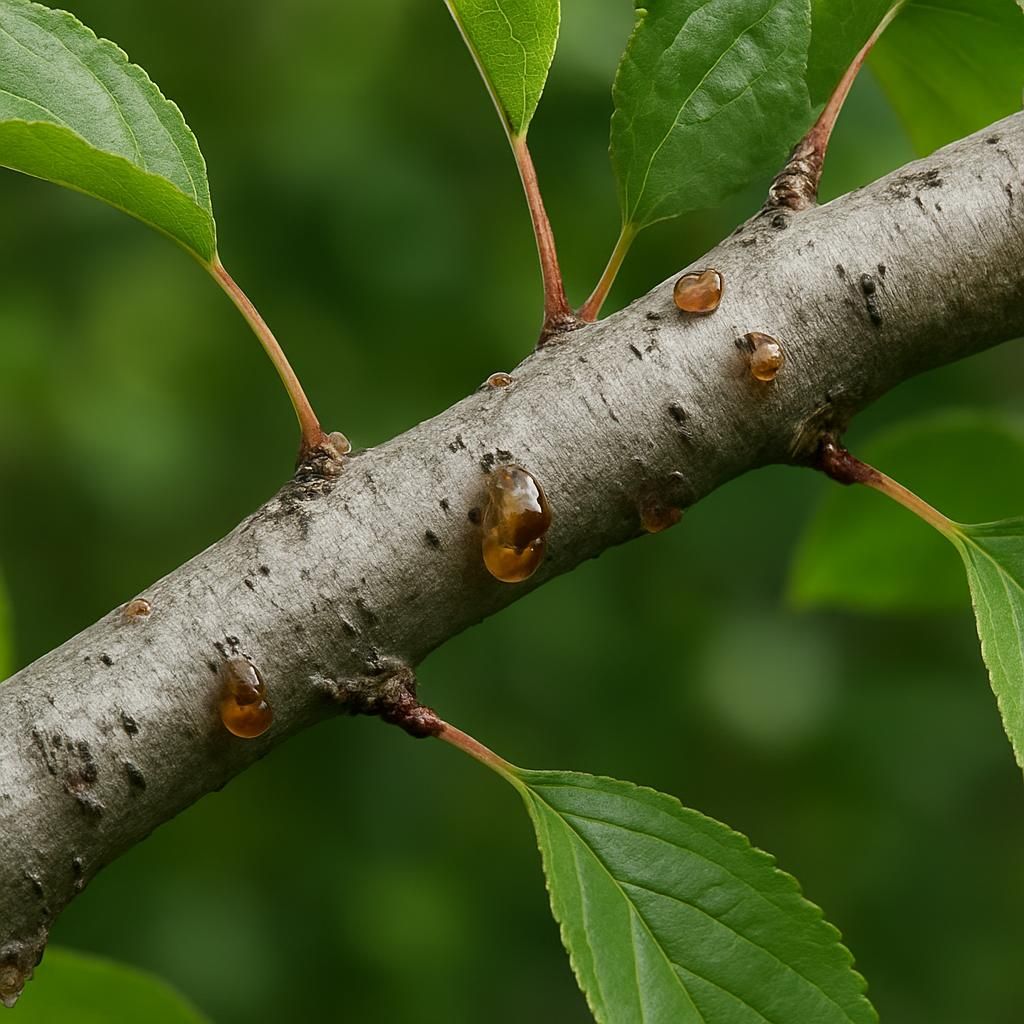
Tart cherry trees (Cherry) are prized for their vibrant fruit and ornamental beauty, but gardeners often notice branches turning pale, silvery, or light gray instead of their normal reddish-brown. This lightening is typically a sign of underlying stress, disease, or environmental damage rather than a natural process. Early identification is critical because affected branches can spread problems throughout the tree, reducing fruit production and threatening long-term survival. This guide covers the most common causes of lightening branches in tart cherries and provides practical, organic-first strategies for diagnosis, treatment, and prevention.
Common Causes
Lightening branches on tart cherry trees usually result from a combination of fungal pathogens, environmental factors, or pest activity. Understanding these helps target the right response.
| Cause | Description | Typical Symptoms |
|---|---|---|
| Fungal Cankers (Cytospora, Leucostoma) | Enters through wounds and girdles branches | Light gray or silvery bark, sunken lesions, amber gum ooze |
| Sunscald and Winter Injury | Bark splits from rapid temperature swings | Pale, cracked areas on southwest-facing branches |
| Borer Infestations | Larvae tunnel under bark | Light patches with entry holes and frass |
| Nutrient Deficiencies | Especially potassium or iron shortages | Overall pale foliage with branch dieback |
| Bacterial Canker | Pseudomonas infection in cool, wet springs | Light-colored, water-soaked areas that later darken |
Step-by-Step Organic Solutions
1. Accurate Diagnosis
Begin by inspecting the tree in early morning light. Scrape a small section of lightened bark with a sterilized knife. Healthy cambium appears green and moist; brown or dry tissue indicates dieback. Photograph symptoms and note the direction the branch faces.
2. Sanitation Pruning
Remove all lightened branches at least 6-12 inches below visible damage using clean, sharp loppers. Disinfect tools between cuts with a 10% bleach solution or 70% isopropyl alcohol. Dispose of prunings by burning or bagging--never compost infected wood.
3. Improve Soil and Tree Vigor
Apply a 2-3 inch layer of well-aged compost around the drip line in early spring. Top-dress with organic sources of potassium such as wood ash (lightly) or kelp meal. Avoid high-nitrogen fertilizers that encourage soft growth susceptible to disease.
4. Cultural Practices for Disease Suppression
- Water deeply but infrequently at the base to keep foliage dry.
- Mulch with straw or wood chips to moderate soil temperature and retain moisture.
- Encourage beneficial insects by planting companion herbs such as Thyme and yarrow nearby.
5. Organic Sprays and Barriers
For confirmed fungal issues, apply dormant oil mixed with copper-based fungicide in late winter before buds swell. During the growing season, use neem oil or potassium bicarbonate sprays every 10-14 days if conditions remain wet. Wrap young trunks with tree wrap in fall to prevent sunscald.
Prevention Tips
Maintain tree health year-round with proper spacing (at least 15-20 feet between trees) to promote airflow. Prune annually in late winter to remove crossing or weak branches. Monitor for early signs of stress after extreme weather events. Plant resistant tart cherry cultivars when establishing new orchards. Rotate cover crops like clover in the surrounding area to build soil biology and suppress soil-borne pathogens.
Regular observation combined with these organic methods will keep tart cherry branches healthy and productive for decades.