Introduction
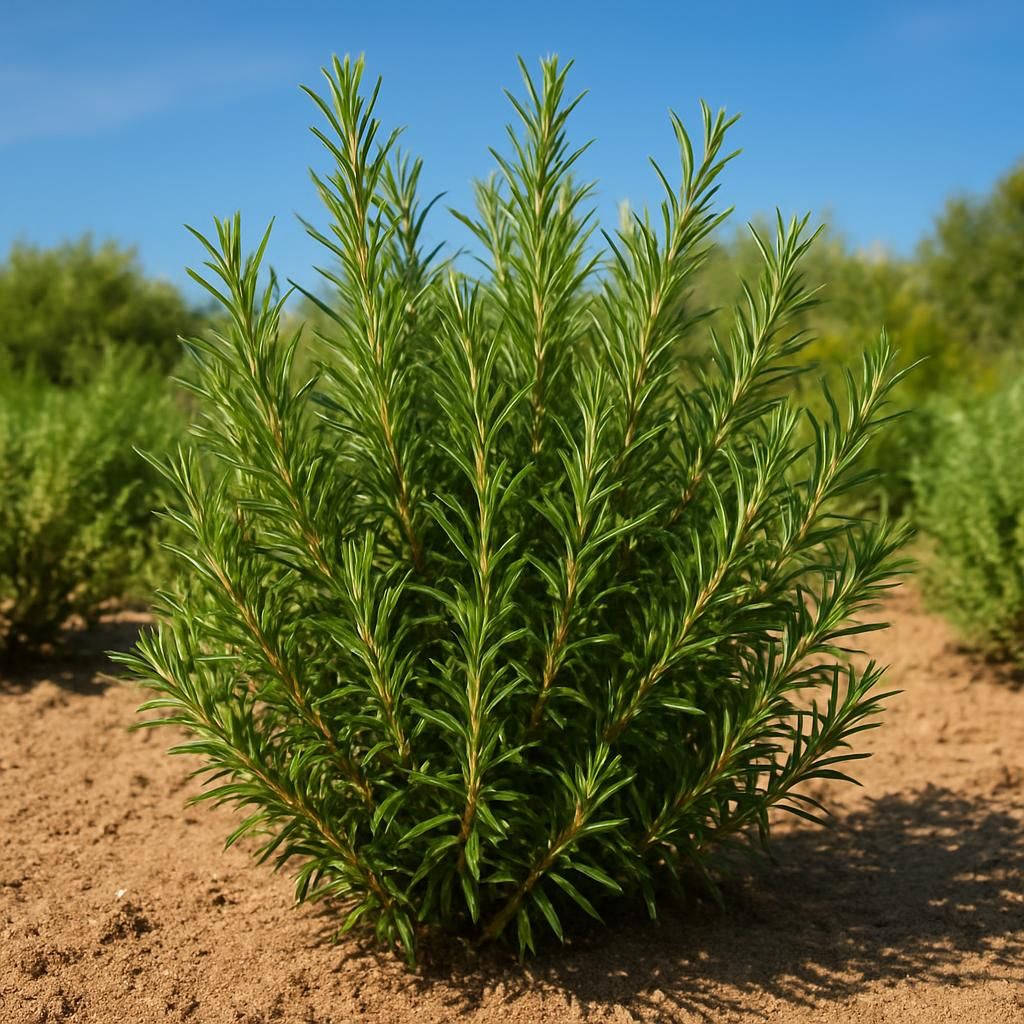
Gardeners in USDA Zone 10A often ask how much attention rosemary truly needs to thrive. This Mediterranean herb is well-suited to warm climates but can struggle with the high heat, humidity, and occasional heavy rains typical of coastal and southern regions in this zone. Proper care focuses on mimicking its native dry, sunny conditions while using organic practices that build long-term soil health. With the right approach, rosemary can become a low-maintenance, productive perennial in your garden.
Common Causes of Problems in Zone 10A
Rosemary performs best in full sun and well-drained soil. In Zone 10A, several factors commonly cause decline:
- Excessive moisture: Frequent irrigation or poor drainage leads to root rot, especially during summer thunderstorms.
- High humidity: Prolonged damp air encourages fungal issues even when soil is dry.
- Nutrient imbalance: Over-fertilizing produces soft growth that attracts pests.
- Temperature swings: While rosemary tolerates heat, sudden cold snaps below 20°F can damage tender stems.
| Issue | Typical Zone 10A Trigger | Organic Indicator |
|---|---|---|
| Root rot | Overwatering or clay soil | Wilting despite moist soil |
| Powdery mildew | High humidity, poor airflow | White powder on leaves |
| Leggy growth | Insufficient sun | Sparse foliage, weak stems |
Step-by-Step Organic Solutions
1. Site Selection and Planting
Choose a location receiving at least 6-8 hours of direct sun daily. Amend heavy soils with compost and coarse sand or perlite to improve drainage. Plant in spring or fall when temperatures are moderate.
2. Watering Practices
Water deeply but infrequently once established--roughly every 7-10 days in summer. Allow the top inch of soil to dry completely between waterings. Use drip irrigation or soaker hoses to keep foliage dry and reduce disease risk.
3. Soil and Nutrition
Rosemary prefers slightly alkaline, lean soil. Top-dress annually with well-aged compost rather than synthetic fertilizers. Companion planting with Thyme or Thai Basil helps deter pests naturally while improving biodiversity.
4. Pruning and Harvesting
Prune lightly after flowering to maintain shape and encourage bushiness. Never remove more than one-third of the plant at once. Harvest sprigs regularly to promote new growth.
5. Pest and Disease Management
Monitor for aphids and spider mites. Spray with neem oil or insecticidal soap at the first sign of infestation. Improve airflow by spacing plants 18-24 inches apart.
Prevention Tips
- Mulch with gravel or coarse bark to suppress weeds and maintain surface dryness.
- Avoid planting near lawns or areas with automatic sprinklers.
- In containers, use a cactus or succulent mix and ensure generous drainage holes.
- Protect young plants during rare frost events with row cover.
- Rotate planting locations every 3-4 years to prevent soil-borne issues.
By following these organic-first methods, rosemary will reward you with fragrant foliage and culinary harvests year after year in Zone 10A gardens.