Introduction
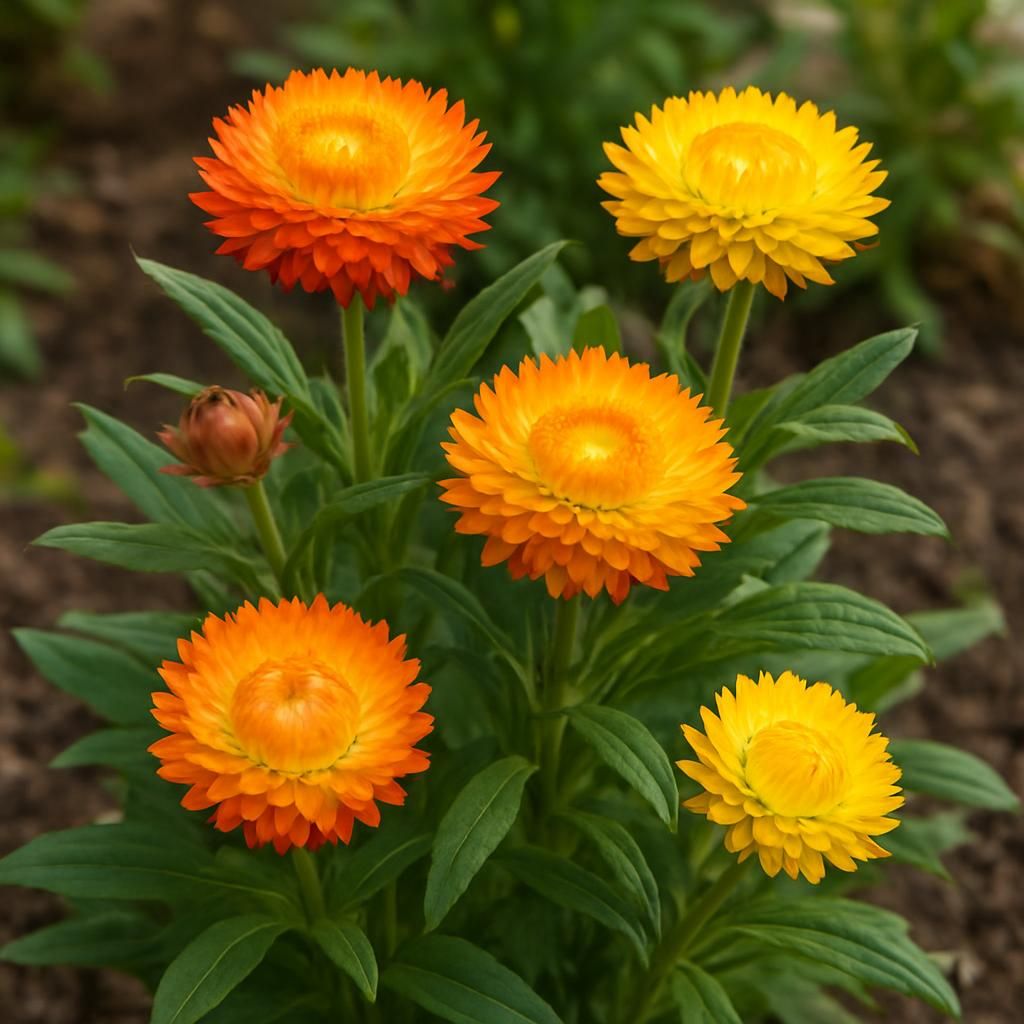
Strawflowers (Xerochrysum bracteatum) are popular annuals prized for their papery, long-lasting blooms that add vibrant color to gardens. When gardeners in areas like Long Island, NY notice wilting, discoloration, or stunted growth, it often signals underlying issues related to climate, soil, or pests. This guide helps you diagnose problems and restore your plants using practical, organic methods.
Common Causes
Several factors can affect strawflower health, especially in cooler coastal climates:
- Overwatering or Poor Drainage: Leads to root rot and yellowing leaves.
- Pest Infestations: Aphids and spider mites are frequent culprits.
- Nutrient Deficiencies: Lack of phosphorus or potassium stunts flowering.
- Temperature Stress: Cool nights below 50°F (10°C) can cause leaf curling.
| Cause | Symptoms | Typical Timing |
|---|---|---|
| Overwatering | Yellow leaves, soft stems | Spring/Early Summer |
| Aphids | Sticky residue, distorted growth | Mid-Summer |
| Nutrient Deficiency | Pale foliage, few blooms | Throughout Season |
Step-by-Step Organic Solutions
1. Assess and Adjust Watering
Check soil moisture 2 inches deep. Water only when the top inch feels dry. Improve drainage by adding compost to heavy soils.
2. Control Pests Naturally
Spray plants with neem oil or insecticidal soap early in the morning. Introduce beneficial insects like ladybugs. Companion planting with Nasturtium and Thyme helps repel aphids.
3. Improve Soil Nutrition
Apply a balanced organic fertilizer high in phosphorus every 4-6 weeks. Use compost tea for gentle feeding. Test soil pH and aim for 6.0-7.0.
4. Protect from Temperature Extremes
Use row covers on cool nights. Mulch with straw to stabilize soil temperature.
Prevention Tips
- Choose disease-resistant varieties suited to your USDA zone.
- Rotate planting locations yearly to reduce soil-borne issues.
- Monitor plants weekly for early signs of stress.
- Incorporate Yarrow nearby to attract pollinators and beneficial insects.
Consistent observation combined with these organic practices will keep your strawflowers thriving season after season.