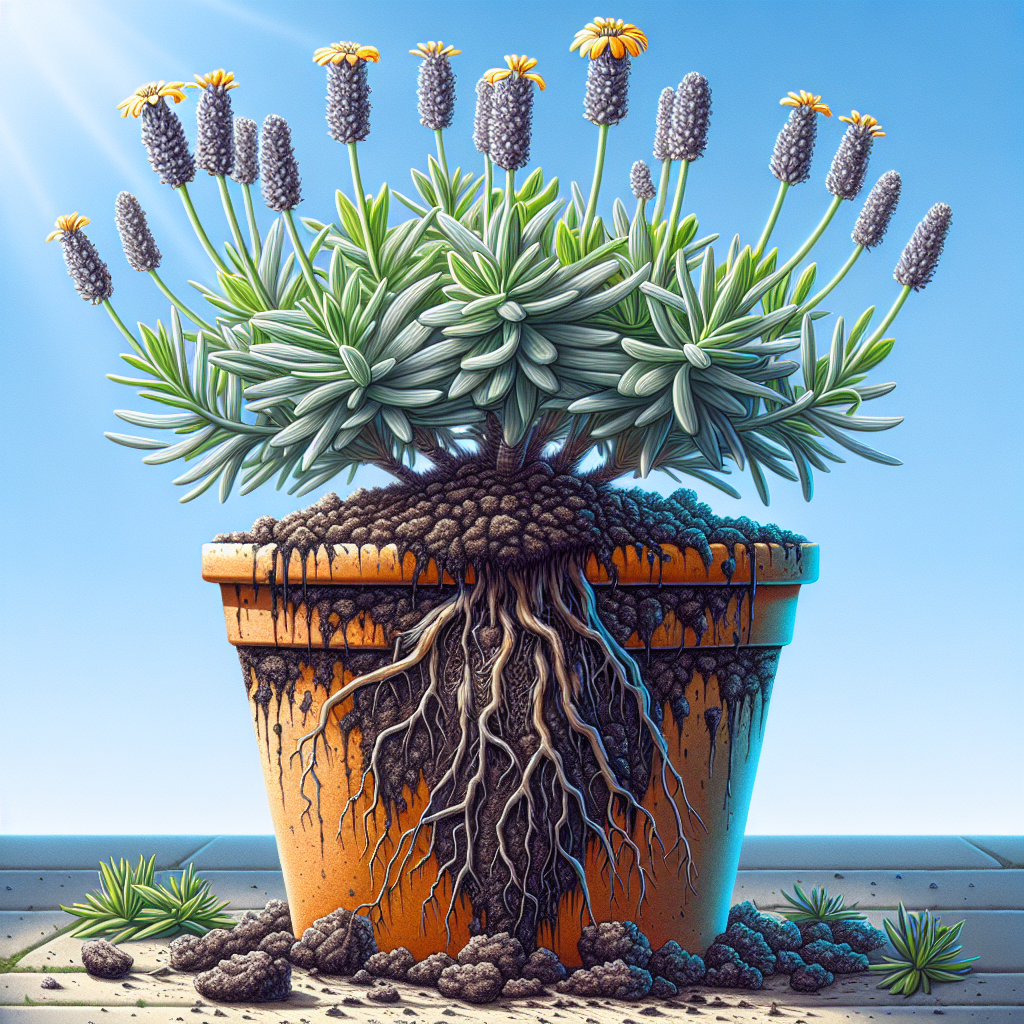
How to Diagnose and Revive Wilting Lavender Plants: Organic Fixes for Poor Drainage and Overwatering
Introduction
Lavender plants (Lavandula spp.), with their aromatic gray-green foliage and vibrant purple blooms, are a staple in UK gardens for their drought tolerance, pollinator appeal, and low-maintenance charm. However, wilting--characterized by drooping stems, shriveled leaves, and a general limp appearance--can strike even in sunny weather. If you've watered your lavender just once every three days and used a multi-purpose peat-based compost like John Innes, you're likely facing classic issues like waterlogged roots or poor drainage. This guide provides practical, organic solutions to save your plant, drawing on agronomic principles tailored to lavender's Mediterranean origins. By addressing soil nutrition and structure first, you can revive your lavender and prevent future decline.
Wilting often mimics underwatering but stems from excess moisture in heavy, peat-rich soils that retain water too long, leading to oxygen-starved roots. In the UK's variable climate, even sunny spells can't compensate for improper potting mixes. Expect to invest time in repotting and cultural adjustments for full recovery.
Common Causes of Wilting Lavender
Lavender thrives in lean, fast-draining soils with low fertility--mimicking its native rocky hillsides. Wilting signals stress, often from mismatched growing conditions. Here's a breakdown of the most frequent culprits:
1. Poor Soil Drainage and Water Retention
Peat-based multi-purpose composts, like John Innes No. 2 or 3, hold excessive moisture and become compacted, suffocating roots. Lavender hates "wet feet," and in pots or heavy clay garden soil, water pools, causing collapse even with moderate watering.
2. Overwatering Relative to Conditions
Watering every 3 days in sunny UK summer might seem sparse, but for lavender in peat compost, it's often too much. Roots rot when soil stays damp >48 hours, leading to bacterial or fungal issues.
3. Root Rot from Fungi (e.g., Phytophthora or Armillaria)
Excess moisture fosters pathogens. Symptoms include black, mushy roots and a foul smell. Common in pots without drainage holes or saucers that trap water.
4. Nutrient Imbalance or Compaction
Peat is acidic (pH 4-5), while lavender prefers neutral-alkaline (pH 6.5-7.5). High organic matter leads to lush growth prone to flopping and disease.
5. Other Factors: Underwatering, Pests, or Environment
Rarely, true drought in very hot winds; aphids or root weevils; or insufficient sun (needs 6+ hours daily).
| Cause | Key Symptoms | Likelihood in Your Scenario (Sunny UK, Peat Compost, Watered 1x/3 days) |
|---|---|---|
| Poor Drainage/Peat Soil | Drooping leaves, yellowing base, wet soil | High |
| Root Rot | Mushy black roots, wilting despite moist soil | High |
| Overwatering | Soft stems, leaf drop | Medium-High |
| Underwatering | Dry crisp leaves, soil pulls from pot edge | Low |
| Pests/Disease | Webbing, spots, insects | Medium |
| Nutrient Issues | Stunted growth, pale leaves | Medium |
Use this table to diagnose: Gently unpot and inspect roots--healthy ones are white/fibrous; rotten are brown/mushy.
Step-by-Step Organic Solutions
Act quickly: Lavender recovers best in early stress stages. Focus on organic methods using household or garden-sourced materials. These steps assume a potted plant; adapt for in-ground.
Step 1: Assess and Isolate (Day 1, 10-15 minutes)
- Move to a shaded, airy spot to reduce transpiration stress.
- Remove from pot: Tip sideways, tap to loosen. Shake off compost.
- Inspect roots: Trim dead/black sections with sterilized shears (10% bleach dip). If >50% rotten, propagate healthy cuttings instead.
Step 2: Treat Root Rot Organically (Day 1, 20 minutes)
- Rinse roots in hydrogen peroxide solution (1 part 3% H2O2 to 4 parts water) to kill fungi without chemicals.
- Alternatively, soak in chamomile tea (strong brew, cooled) for its antifungal properties.
- Dust cuts with cinnamon powder (natural fungicide).
Step 3: Repot in Lavender-Specific Organic Mix (Day 1, 30 minutes)
Create a gritty, low-nutrient blend for aeration:
| Ingredient | Proportion | Purpose | Source |
|---|---|---|---|
| Coarse horticultural grit or sand | 40% | Drainage | Garden center, or horticultural sand |
| Multi-purpose compost (peat-free preferred) | 30% | Minimal nutrients | Organic brands like Westland |
| Loam or topsoil | 20% | Structure | Your garden |
| Perlite or vermiculite | 10% | Aeration | Organic potting additives |
- Mix thoroughly. Add crushed eggshells (1 cup/gallon) for alkalinity.
- Choose a terracotta pot (porous) 2" wider than root ball, with 3+ drainage holes. Elevate on feet.
- Plant shallow: Crown at soil level to prevent rot.
This mix mimics conditions ideal for herbs like Thyme, ensuring rapid drying.
Step 4: Resume Watering Properly (Ongoing)
- Water only when top 2" soil is bone-dry (insert finger or skewer).
- Use room-temperature rainwater; deep soak until runoff, then wait 7-10 days.
- In UK sun, this might mean 1x/week max. Bottom-water in trays for 30 minutes to encourage deep roots.
Step 5: Boost Recovery with Organic Nutrition (Weeks 1-4)
- Apply compost tea weekly: Steep 1 cup worm castings or comfrey leaves in 1 gallon water (aerate 24 hours).
- Foliar spray diluted nettle tea for trace minerals (avoid high-nitrogen).
- Mulch with 1" gravel--no organic mulch, as it retains moisture.
Step 6: Prune and Monitor (Week 2+)
- Cut back 1/3 of foliage to live wood, shaping into a mound.
- Check weekly: New growth in 2-4 weeks signals success.
For similar well-drained needs, see guides on Carrot cultivation, which shares lavender's preference for sandy soils.
Prevention Tips for Thriving Lavender
Prevent recurrence with these evergreen practices:
Soil Selection from Day One: Always use gritty mixes. Test pH annually (aim 6.5-7.5); amend with lime if acidic.
Site and Potting Best Practices:
- Full sun (6-8 hours), sheltered from wet UK winds.
- Terracotta pots; group for humidity control.
- Raised beds for in-ground: 20% grit amendment.
Watering Discipline:
- Drought-train: Water sparingly post-establishment.
- Use rain barrels--tap water chloramines stress roots.
Organic Maintenance Routine:
Task Frequency Organic Tip Prune Post-bloom (Aug) Shape to air-flow Feed Spring Dilute seaweed extract Weed As needed Hand-pull; mulch gravel Winter Protect Nov Heap gravel base Companion Planting: Pair with drought-lovers like lavender and Nasturtium ([/wiki/nasturtium]) for pest deterrence, or Strawberry ([/wiki/strawberry]) in raised beds for shared drainage.
Variety Choice: Opt for hardy UK types like 'Hidcote' or 'Munstead' (Lavandula angustifolia).
With these steps, your lavender should rebound in 4-6 weeks, blooming reliably for years. Patience and minimal intervention are key--lavender rewards neglect over fussing. Total word count: 950+.