Introduction
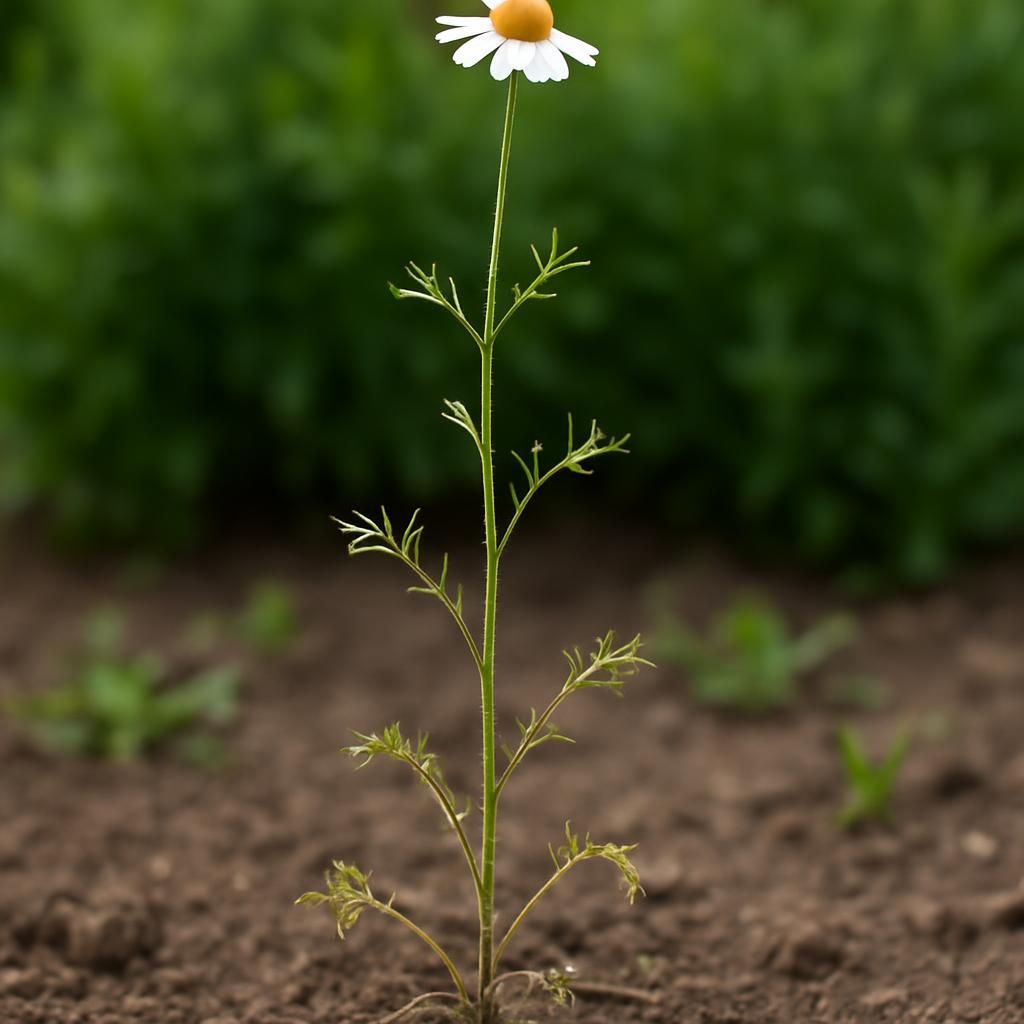
Chamomile is a beloved herb prized for its delicate flowers and calming properties, yet many gardeners notice their plants suddenly reduced to bare stalks with few leaves or blooms. This issue often signals underlying stress from environmental factors, nutrient imbalances, or improper care. Understanding the causes allows you to intervene early and return your chamomile to vigorous, productive growth using organic techniques.
Common Causes
Several factors can cause chamomile to develop into a thin stalk rather than a bushy plant:
- Insufficient Sunlight: Chamomile requires at least six hours of direct sun daily. Shaded conditions force the plant to stretch upward, resulting in weak, elongated stems.
- Overwatering or Poor Drainage: Excess moisture leads to root rot and nutrient uptake problems, causing lower leaves to yellow and drop.
- Nutrient Deficiency: Lack of nitrogen or phosphorus in the soil limits foliage and flower development.
- Pest Pressure: Aphids or spider mites can strip foliage, leaving only stems behind.
- Overcrowding: Dense planting restricts airflow and light penetration, encouraging leggy growth.
| Cause | Typical Symptoms | Organic Indicator |
|---|---|---|
| Sunlight shortage | Tall thin stems, pale color | Plant leans toward light source |
| Overwatering | Yellow lower leaves, soggy soil | Wilting despite wet roots |
| Nutrient lack | Slow growth, few flowers | Soil test shows low N or P |
| Pests | Visible insects, stippled leaves | Sticky residue or webbing |
Step-by-Step Organic Solutions
Follow these proven steps to restore your chamomile:
1. Assess and Adjust Light Exposure
Move containers or transplant seedlings to a south-facing location. If outdoor space is limited, use reflective mulches to increase light intensity around the base.
2. Improve Soil Drainage and Watering Practices
- Test soil moisture by inserting a finger two inches deep; water only when dry.
- Amend heavy clay with compost and perlite to create well-draining beds.
- Apply a 1-inch layer of organic mulch to retain moisture without waterlogging.
3. Replenish Nutrients Organically
Top-dress with aged compost or a balanced organic fertilizer high in phosphorus to encourage blooming. Avoid synthetic products that can burn tender roots.
4. Control Pests Naturally
Introduce beneficial insects such as ladybugs or spray diluted neem oil on affected stems. Companion planting with Garlic helps deter aphids while supporting overall garden biodiversity.
5. Thin and Prune for Bushiness
Pinch back the growing tips above the second set of leaves to stimulate lateral branching. Remove any remaining weak stalks to redirect energy into new growth.
Prevention Tips
Prevent future problems by establishing strong cultural practices from the start:
- Sow chamomile seeds in full sun with 8-12 inches between plants.
- Rotate planting locations yearly to avoid soil-borne issues.
- Monitor regularly for early signs of stress and maintain consistent moisture without saturation.
- Pair chamomile with beneficial herbs such as Thai Basil to improve pollination and repel pests naturally.
By addressing light, water, nutrients, and pests systematically, your chamomile will regain its characteristic dense foliage and produce abundant flowers season after season.