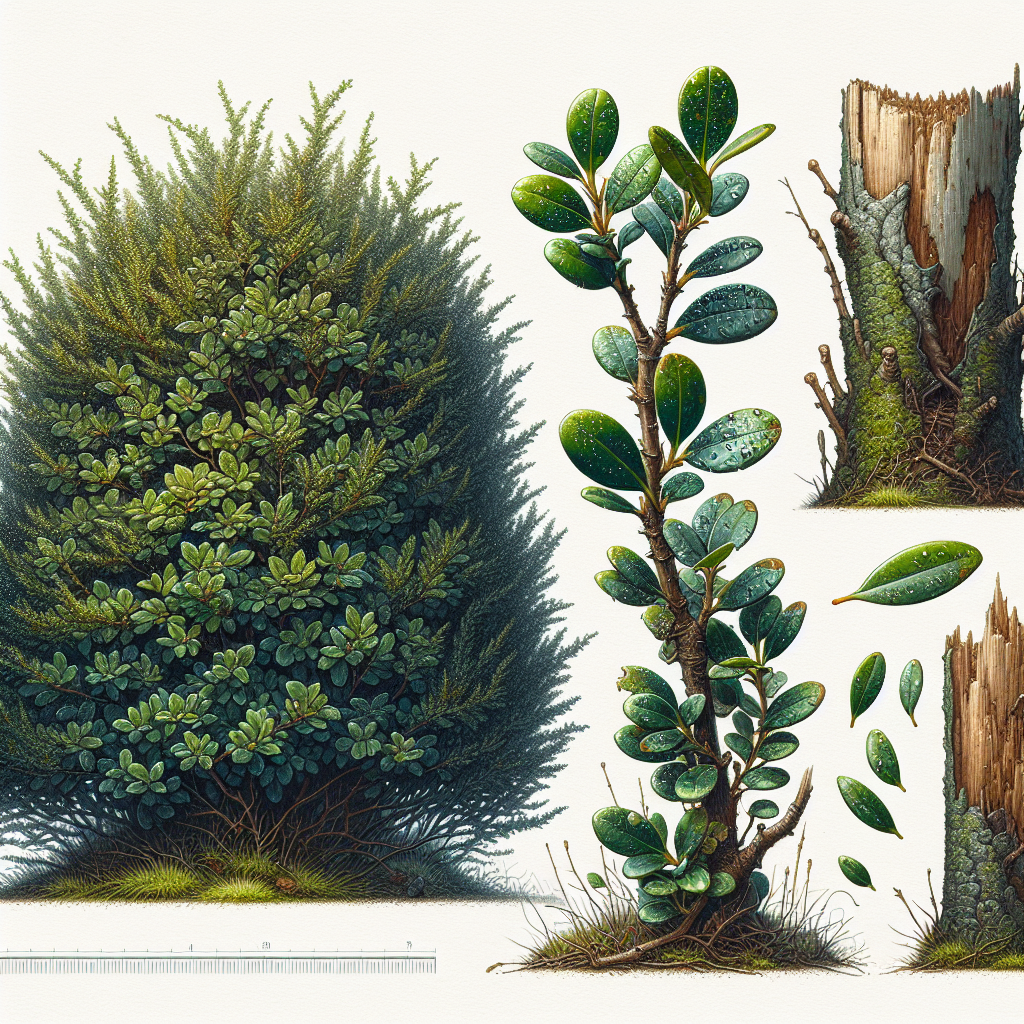
How to Diagnose and Revive Dying Boxwood Shrubs: Organic Solutions for Healthy Growth
Introduction
Boxwood shrubs (Buxus sempervirens and related species) are timeless favorites in gardens, prized for their dense, evergreen foliage, compact growth, and versatility in hedges, topiaries, and borders. However, many gardeners face the frustration of seeing their boxwoods decline--showing yellowing leaves, sparse growth, dieback, or defoliation. If you're asking, "How do I help my boxwoods?", you're not alone. These symptoms often stem from environmental stress, pests, diseases, or cultural mismanagement. The good news? Most issues are fixable with prompt diagnosis and organic interventions. This guide provides expert, practical steps to troubleshoot, treat, and prevent problems, ensuring your boxwoods thrive for years. We'll focus on sustainable, chemical-free methods suitable for home gardens and landscapes.
Common Causes of Boxwood Decline
Boxwoods are resilient but susceptible to specific stressors. Identifying the root cause is the first step to revival. Below is a diagnostic table summarizing key symptoms, causes, and initial clues:
| Symptom | Likely Cause | Key Indicators |
|---|---|---|
| Yellowing leaves (chlorosis) | Nutrient deficiency (iron, nitrogen) or poor soil pH | Veins stay green; alkaline soil common. |
| Browning or black spots on leaves, rapid defoliation | Boxwood blight (Calonectria pseudonaviculata) | Dark lesions, pink spore masses in wet weather. |
| Blistered, yellow-orange leaves with internal mining | Boxwood leafminer (Monarthropalpustalamac) | Adults emerge in spring; larvae feed inside leaves. |
| Dieback from tips, orange spore pads | Volutella blight (Volutella buxi) | Follows stress like winter injury. |
| Wilting, root rot, mushy roots | Overwatering or poor drainage | Soggy soil; common in clay-heavy areas. |
| Scorched or bronzed foliage | Winter burn or drought stress | Exposed sites; salt damage in urban areas. |
| Stunted growth, sparse foliage | Root damage or transplant shock | Recent planting; compacted soil. |
Detailed Breakdown
- Diseases: Boxwood blight is the most devastating, spreading via splashing water and thriving in cool, humid conditions. It causes rapid leaf drop and stem cankers.
- Pests: Leafminers are tiny flies whose larvae tunnel into leaves, causing blistering. Mites and scale can also weaken plants.
- Environmental: Boxwoods prefer well-drained, slightly acidic soil (pH 6.5-7.0). Alkaline soils lock out iron, while wet feet invite root rot.
- Cultural: Over-pruning, improper watering, or planting too deeply exacerbates issues.
Inspect your plants closely: Check undersides of leaves for pests, scratch stems for green tissue (brown = dead), and dig around roots for rot. Test soil pH with a simple kit.
Step-by-Step Organic Solutions
Once diagnosed, act quickly but gently--boxwoods recover slowly. Always start with cultural improvements before targeted treatments. Here's a comprehensive, organic protocol:
Step 1: Improve Cultural Care (Universal Fix)
- Water Properly: Provide 1 inch of water weekly during dry spells, deeply but infrequently. Use soaker hoses to target roots and avoid wetting foliage. Mulch with 2-3 inches of organic matter (e.g., shredded leaves or bark) to retain moisture.
- Prune Strategically: Remove dead or diseased parts with sterilized shears (dip in 10% bleach solution). Prune in late winter/early spring, never more than 1/3 of the plant. Thin interiors for air circulation.
- Soil Amendment: Aerate compacted soil. Incorporate compost to boost organic matter. For pH adjustment, add elemental sulfur (1-2 lbs per 100 sq ft) slowly over months.
Step 2: Address Nutrient Deficiencies
- Apply organic fertilizers like fish emulsion or compost tea (diluted 1:10) every 4-6 weeks in growing season. For iron chlorosis, use chelated iron from seaweed extracts.
- Foliar spray: Mix 1 tbsp Epsom salts per gallon of water; apply at dusk.
Step 3: Combat Diseases Organically
- Boxwood Blight/Volutella: Remove and destroy (burn or bag) infected clippings--do not compost. Spray with neem oil (1 oz per gallon) or potassium bicarbonate weekly for 3-4 applications. Improve spacing (3-4 ft apart) and airflow.
- Disinfect tools between plants.
Step 4: Manage Pests Naturally
- Leafminers: In early spring, apply Bt (Bacillus thuringiensis) or spinosad (organic-approved) when adults emerge (yellow sticky traps help monitor). Release beneficial nematodes (Steinernema carpocapsae) into soil.
- Mites/Scale: Blast with strong water spray. Follow with insecticidal soap or horticultural oil.
Step 5: Treat Root and Environmental Issues
- For root rot, gently lift and replant in raised beds with 50% compost/50% sand mix. Avoid planting in low spots.
- Winter protection: Wrap in burlap or apply anti-desiccant spray in fall.
Monitoring Timeline
| Week | Action | Expected Improvement |
|---|---|---|
| 1-2 | Prune, water, mulch | Reduced wilting |
| 3-4 | Apply organic sprays/fertilizers | New growth buds |
| 5-8 | Reassess soil, companions | Denser foliage |
| Ongoing | Preventative maintenance | Full recovery |
Reassess after 4 weeks. Severe cases may require removing the plant to protect others.
Prevention Tips for Thriving Boxwoods
Prevention is far easier than cure. Build resilience with these organic strategies:
- Site Selection: Choose full sun to partial shade with excellent drainage. Avoid low-lying, windy, or salty areas.
- Planting Best Practices: Plant at soil level, water deeply at planting, and mulch immediately.
- Companion Planting: Surround with pest-repelling companions like thyme, yarrow, or nasturtium to deter leafminers and improve soil health.
- Soil Health: Maintain with annual top-dressings of compost. Use cover crops like clover in off-seasons to fix nitrogen and suppress weeds.
- Resistant Varieties: Opt for blight-resistant cultivars like 'Green Velvet' or 'Winter Gem' for new plantings.
- Routine Maintenance: Scout weekly in spring/fall. Thin annually. Fertilize sparingly--overfeeding promotes soft growth prone to pests.
- Integrated Pest Management (IPM): Encourage predators like ladybugs and birds with diverse plantings.
With consistent care, your boxwoods can live 20-30+ years. Patience is key--full recovery may take a season. For persistent issues, consult local extension services for region-specific advice.
(Word count: 912)