Introduction
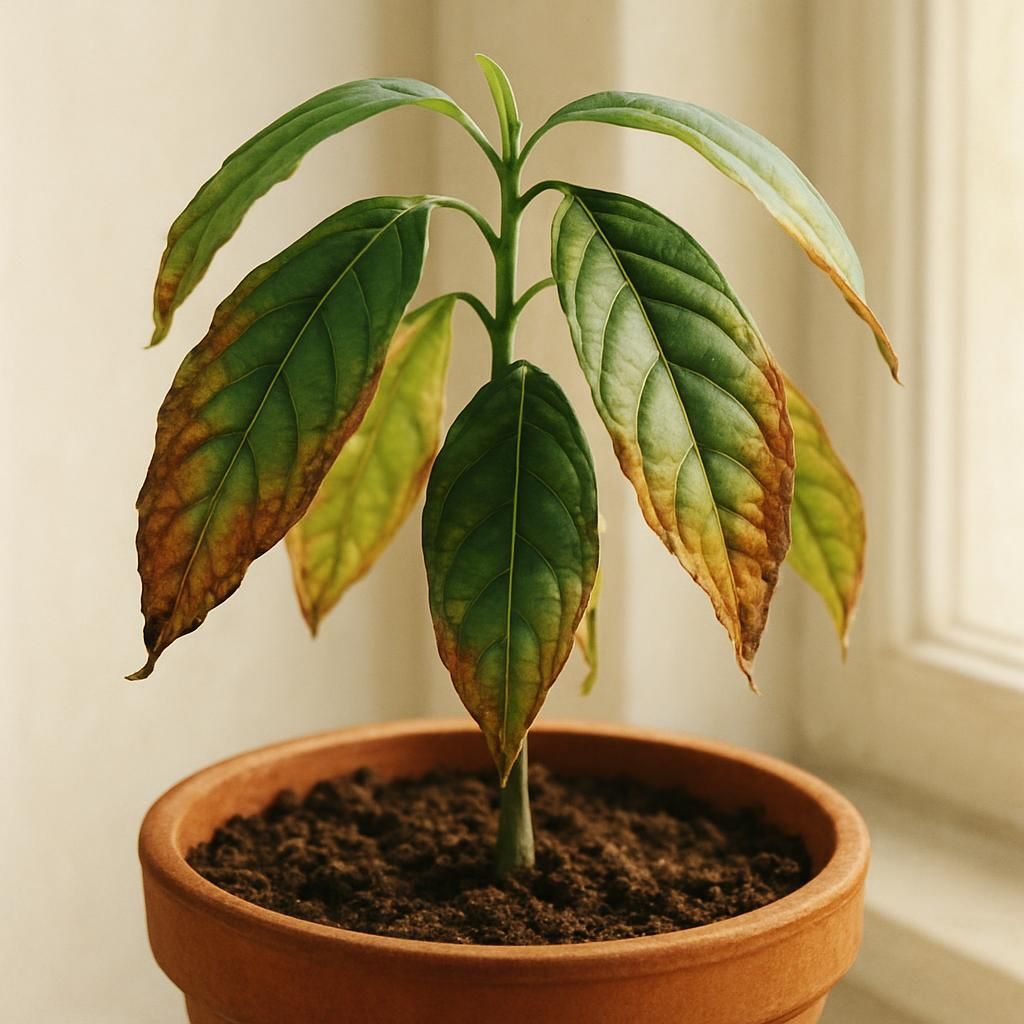
Avocado plants, whether grown indoors as houseplants or outdoors in suitable climates, often exhibit wilting leaves with dried or brown spots followed by premature leaf drop when stressed. Trimming affected foliage is a good first step, yet the underlying issue must be addressed to encourage new growth and prevent further decline. Common triggers include inconsistent watering, poor soil drainage, nutrient imbalances, or environmental stress. This guide outlines the most frequent causes, provides step-by-step organic remedies, and shares prevention strategies to keep your Avocado thriving year-round.
Common Causes
Several factors can lead to the symptoms you described. Understanding each possibility helps target the correct solution.
Overwatering and Root Rot
Overwatering is the leading cause of wilting and leaf loss in container-grown avocado plants. Saturated soil deprives roots of oxygen, encouraging fungal pathogens that cause root rot. Leaves turn limp, develop brown tips, and eventually fall.
Underwatering and Drought Stress
Conversely, allowing the soil to dry out completely for extended periods causes the plant to shed leaves as a survival mechanism. Dry spots appear along leaf margins, and new growth stalls.
Nutrient Deficiencies
Avocados are heavy feeders, particularly of nitrogen, potassium, and micronutrients such as zinc and iron. Deficiencies manifest as pale leaves, marginal browning, and slow growth.
Environmental Stress
Sudden changes in light, temperature fluctuations, or low humidity can trigger leaf drop. Indoor plants moved outdoors without acclimation often react this way.
| Cause | Key Symptoms | Typical Soil Condition |
|---|---|---|
| Overwatering | Wilting, brown spots, soft stems | Soggy, foul odor |
| Underwatering | Crispy edges, rapid leaf drop | Bone dry, pulling away |
| Nutrient Lack | Yellowing between veins, stunted | Compacted or depleted |
| Environmental | Sudden widespread drop | Normal moisture |
Step-by-Step Organic Solutions
Follow these actions in order to give your plant the best chance of recovery.
1. Assess Soil Moisture and Drainage
Remove the plant from its pot and inspect the root ball. Healthy roots are firm and white; rotted roots are brown and mushy. Trim away damaged roots with sterilized shears. Repot into a container with ample drainage holes using a well-aerated mix of equal parts compost, perlite, and coconut coir.
2. Adjust Watering Practices
Water only when the top two inches of soil feel dry to the touch. Apply water slowly until it drains freely from the bottom, then empty the saucer. During cooler months, reduce frequency. Always use room-temperature water to avoid shocking roots.
3. Improve Light and Humidity
Place the plant in bright, indirect light for at least six hours daily. Increase humidity by grouping plants together or using a pebble tray with water. Avoid direct hot sun that can scorch leaves.
4. Apply Organic Nutrients
Top-dress with aged compost or worm castings every six weeks during the growing season. Supplement with diluted seaweed extract or fish emulsion monthly to supply trace minerals. For suspected potassium deficiency, apply a banana-peel tea fertilizer.
5. Monitor and Prune Wisely
Continue removing only fully dead or severely damaged leaves. Avoid heavy pruning until new growth appears. Pinch stem tips once the plant regains vigor to encourage bushier form.
Prevention Tips
- Choose a potting mix specifically formulated for tropical plants and refresh it annually.
- Maintain consistent indoor temperatures between 65-85 °F and protect from cold drafts.
- Rotate the container every two weeks for even light exposure.
- Inspect regularly for pests such as spider mites or scale and treat with neem oil if detected.
- For outdoor Hass Avocado trees, ensure planting sites have excellent drainage and apply mulch to retain even moisture.
By systematically addressing watering, drainage, and nutrition, most avocado plants rebound within four to eight weeks and resume healthy leaf production. Patience and consistent care are key to long-term success.