Introduction
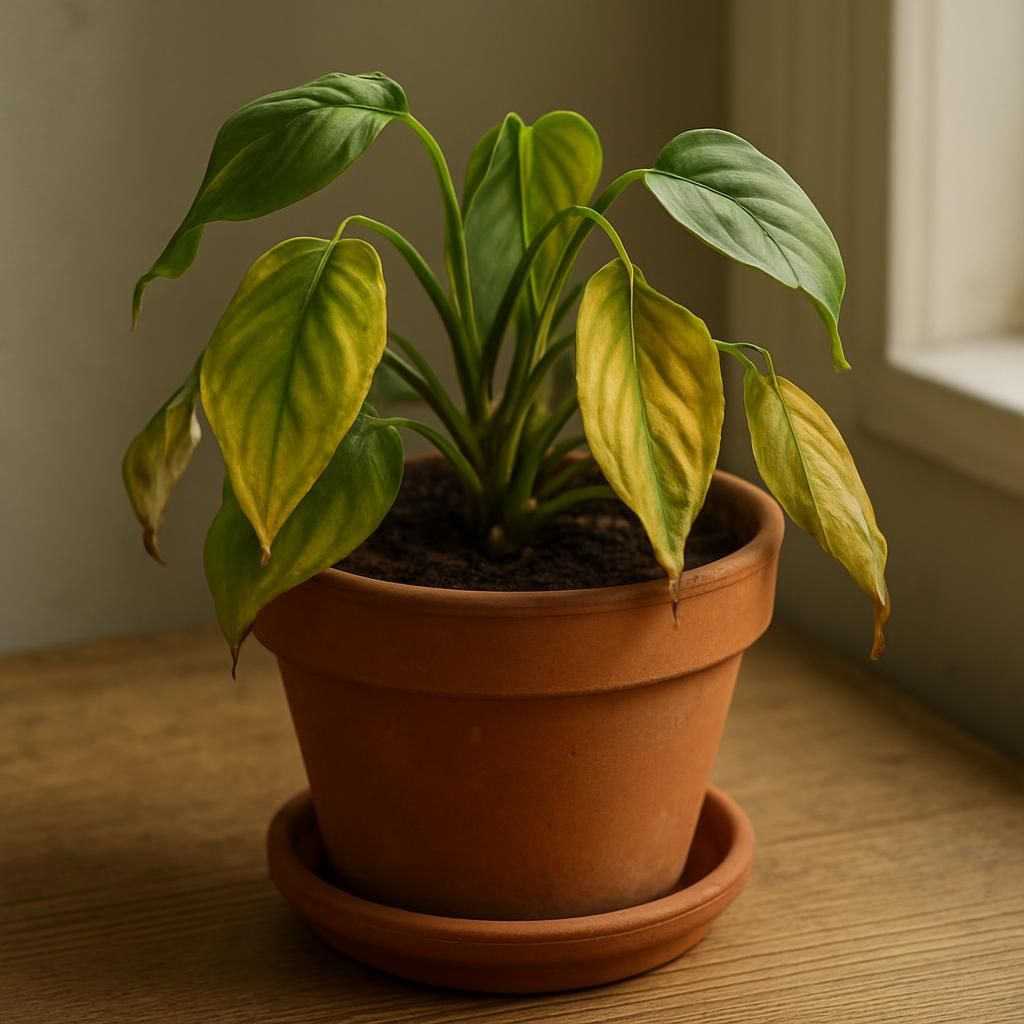
Many gardeners notice their houseplants suddenly looking unhealthy--leaves drooping, yellowing, or losing their vibrant color. The question "Why is my plant doing this?" often arises when a once-thriving specimen begins to decline. Restoring a struggling plant requires careful diagnosis of the underlying cause followed by targeted, organic interventions. This guide walks through the most common reasons for decline and provides step-by-step solutions that prioritize natural methods.
Common Causes
Houseplant problems usually stem from a handful of environmental or care-related factors. The table below summarizes the primary causes and their typical symptoms.
| Cause | Typical Symptoms | Affected Plant Parts |\n|------------------------|-------------------------------------------|--------------------------| | Overwatering | Yellow leaves, mushy stems, root rot | Roots, lower leaves | | Underwatering | Wilting, dry crispy leaf edges | Entire foliage | | Nutrient Deficiency | Pale new growth, stunted size | New leaves, overall plant| | Pests | Sticky residue, visible insects, holes | Leaves, stems | | Low Light | Leggy growth, faded color | Stems, leaf color | | Temperature Stress | Brown leaf tips, sudden leaf drop | Leaf margins |
Overwatering is the leading killer because it deprives roots of oxygen. Underwatering causes dehydration stress, while nutrient imbalances often appear when plants outgrow their potting mix. Pests such as aphids or spider mites frequently attack weakened plants, and improper light or temperature compounds all of these issues.
Step-by-Step Organic Solutions
1. Assess and Adjust Watering
Begin by checking soil moisture two inches below the surface. If the soil feels soggy, allow it to dry completely before watering again. For underwatered plants, soak the pot in a tray of room-temperature water for 30 minutes, then drain thoroughly.
2. Improve Light Conditions
Move the plant to a location matching its needs--bright indirect light for most tropical houseplants. Rotate the pot weekly to encourage even growth.
3. Address Nutrient Needs Organically
Repot using fresh, well-draining potting mix amended with compost or worm castings. Apply diluted liquid seaweed or fish emulsion every four to six weeks during the growing season.
4. Treat Pests Naturally
Wipe leaves with a damp cloth and spray with neem oil solution (1 teaspoon neem oil + 1 quart water + few drops castile soap). Repeat every five days until pests are gone.
5. Monitor Temperature and Humidity
Keep plants away from drafts and heating vents. Increase humidity with a pebble tray or occasional misting for tropical species.
Prevention Tips
- Always use pots with drainage holes and empty saucers after watering.
- Repot annually or when roots circle the container.
- Quarantine new plants for two weeks before introducing them to your collection.
- Check soil moisture on a consistent schedule rather than watering on autopilot.
- Provide species-appropriate light levels and avoid sudden environmental changes.
Following these practices keeps houseplants resilient year-round. For more detailed crop-specific guidance, see resources on Tomato care and Lettuce growing techniques that share many of the same principles.