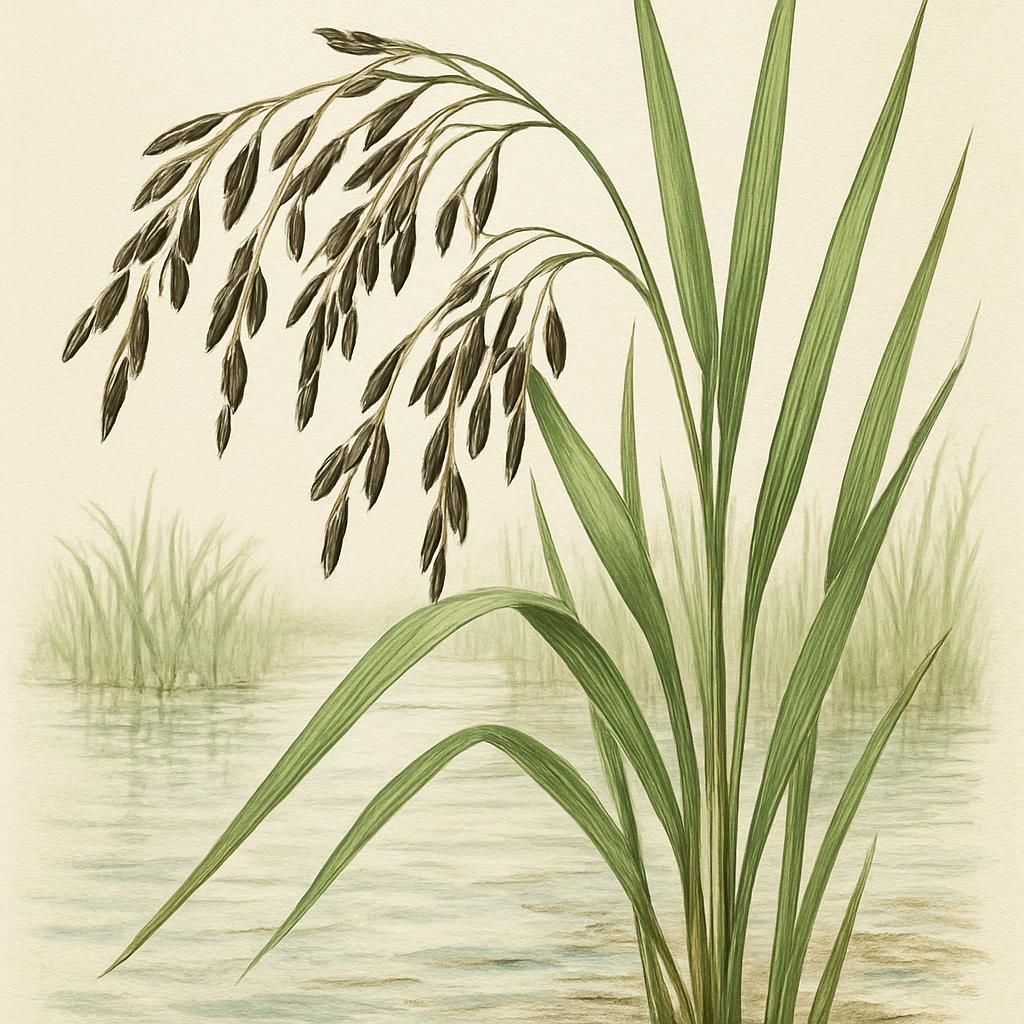
Introduction to Northern Wild Rice (Zizania palustris)
Northern Wild Rice is an intriguing aquatic plant that is not only a staple in the diets of various Native American tribes but is also gaining popularity for its nutritional value and culinary versatility. Known scientifically as Zizania palustris, this wild rice is distinct from the domesticated species typically found on global markets. It grows annually in shallow waters across North America, primarily in the Great Lakes and Canadian regions, where it thrives in natural wetland habitats.
Botanical Profile of Northern Wild Rice (Zizania palustris)
Botanically, Northern Wild Rice belongs to the grass family (Poaceae), and despite its name, it is not a true rice. It grows tall, reaching heights of 1 to 3 meters, with slender leaves and compact grain clusters. The grains themselves are long and slender with a dark, almost black hue once harvested and dried, rich in protein and essential amino acids.
Soil, pH, and Climate Requirements for Northern Wild Rice (Zizania palustris)
Northern Wild Rice requires specific environmental conditions to thrive. It grows best in shallow water bodies with stable water levels and settles in slightly acidic soils. Here are the ideal conditions for cultivating Northern Wild Rice:
| Condition | Preferred Range |
|---|---|
| Soil Type | Loamy, organic-rich, aquatic |
| Soil pH | 6.0 - 7.0 |
| Water Depth | 15 - 60 cm |
| Temperature | 15°C - 25°C (Growth period) |
| Precipitation | Moderate to high rainfall |
Step-by-Step Planting & Propagation
- Site Selection: Choose a location with shallow water bodies that offer protection from strong winds and are free from invasive species.
- Water Management: Control the water level to ensure consistent depth, preventing fluctuations that could affect germination and growth.
- Seed Preparation: Obtain certified viable wild rice seeds. Soak them in water for about 24 hours before planting to improve germination rates.
- Planting: Spread the soaked seeds evenly over the prepared site in late spring. Ensure the seeds are slightly buried under the soil or organic matter for better establishment.
Care & Maintenance Regimes for Northern Wild Rice (Zizania palustris)
Managing Northern Wild Rice requires consistent care throughout its growing season. Below is a care schedule to follow:
| Aspect | Schedule |
|---|---|
| Watering | Maintain consistent water levels |
| Fertilizing | Apply organic fertilizers early spring |
| Pruning | Not applicable |
Pests, Diseases & Organic Management
Northern Wild Rice may encounter issues like Spider Mites and fungal diseases. Organic management strategies include maintaining ideal water levels to deter pests and using natural predators or botanical sprays as organic pesticides. Regular monitoring is essential to prevent escalations.
Harvesting, Curing & Optimal Storage
Harvesting Northern Wild Rice is traditionally done by hand, using canoes and knocking the grains into the boats. Modern methods involve mechanical equipment but must handle grains gently to avoid damage. After harvesting, it’s crucial to cure grains by drying them under controlled airflow to reduce moisture content before milling and storing them in a cool, dry place.
Companion Planting for Northern Wild Rice (Zizania palustris)
Companion planting can enhance the growth and yield of Northern Wild Rice. Plants like Cattail, Pickerelweed, and Clover are beneficial companions as they stabilize the soil and deter pests naturally.