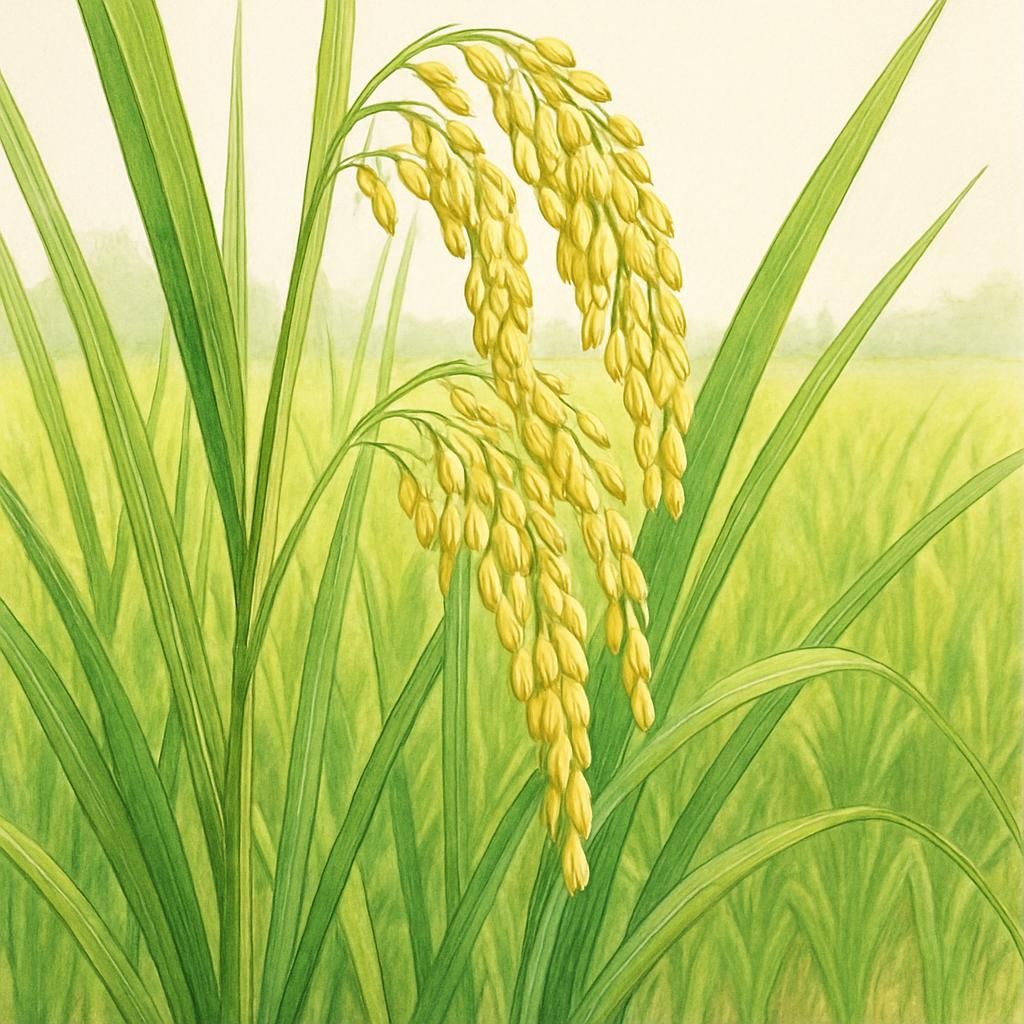
Introduction to Maratelli Rice
Maratelli Rice is one of Italy's most cherished rice varieties, celebrated for its round grains and ability to absorb flavors exceptionally well. It is particularly prized in the preparation of risotto, thanks to its texture and cooking properties.
Botanical Profile of Maratelli Rice
Maratelli Rice, scientifically known as Oryza sativa, belongs to the Poaceae family. It is a short-grain rice that matures in approximately 140 to 160 days. This rice variety is primarily cultivated in the fertile plains of Northern Italy, where the climate is ideal for its growth.
Soil, pH, and Climate Requirements for Maratelli Rice
Maratelli Rice requires specific environmental conditions to flourish. The crop is traditionally grown in wetland paddy fields, demanding ample irrigation and well-prepared soil.
| Criteria | Ideal Conditions |
|---|---|
| pH Level | 5.5 - 6.5 |
| Soil Type | Clay or loamy, well-drained |
| Temperature | 20-30°C (68-86°F) |
| Rainfall | 1000-2000 mm annually |
Step-by-Step Planting & Propagation
- Choose the Right Time: Sow Maratelli Rice seeds in spring when the soil temperature is consistently warm, above 15°C (59°F).
- Prepare the Land: Use traditional methods of flooding fields with water to create a suitable growing environment.
- Seed Selection and Treatment: Opt for certified seeds, soaking them in water for 24 hours before planting to promote germination.
- Sowing: Broadcast the seeds directly into the flooded fields or use a seed drill for more uniform planting.
- Water Management: Maintain a minimum water depth of 5 cm in paddy fields to encourage proper seedling development.
Care & Maintenance Regimes for Maratelli Rice
Caring for Maratelli Rice involves careful water management, nutrition, and pest control.
| Task | Schedule/Details |
|---|---|
| Watering | Keep consistent water levels; adjust as needed |
| Fertilizing | Start with a nitrogen-rich fertilizer 2 weeks after planting; stay vigilant with pest management |
| Pruning | Not applicable |
Pests, Diseases & Organic Management
Maratelli Rice faces threats from pests such as Spider Mites and diseases like rice blast. Integrated Pest Management (IPM) strategies are essential, including ecosystem-friendly insecticides and biological agents to maintain ecological balance. Consider using organic options where possible, such as crop rotation and natural predators.
Harvesting, Curing & Optimal Storage
Harvest Maratelli Rice when grains are firm and golden. Use specialized harvesters to minimize grain damage. Allow the harvested rice to dry in the sun to reduce moisture content to safe storage levels (12-14%). Store the dried rice in cool, dry, and ventilated conditions to prolong shelf life.
Companion Planting for Maratelli Rice
While companion planting is less common with rice, integrating nitrogen-fixing plants such as clover can enrich the soil. Additionally, using marigold borders can help deter pest populations naturally.
For further insights on the challenges and solutions in rice farming, consider checking the Rice page on Wikipedia for comprehensive information. Additionally, explore the blog post Crop Diseases Under the Microscope: 9 Organic Fixes for Small Farm Resilience for effective disease management strategies.