The first warm weekend in March usually finds me elbow-deep in last year's mulch, convinced this season will finally go smoothly. Then the aphids show up on the overwintered kale before the first true leaves even form on the new transplants.
The Calendar Trap That Always Bites
Relying on last year's spray schedule instead of watching actual pest pressure led to two unnecessary neem oil applications. The real damage showed up later when the beneficial insects never returned in force. Checking microclimates each morning revealed temperature swings of nearly ten degrees between the south-facing beds and the shaded north edge.
Ignoring Early Indicators
I once skipped scouting the cool-season brassicas because "nothing ever happens until May." By the time I noticed the first cabbage worm frass, the larvae had already chewed through half the crop. A simple weekly walk with a hand lens would have caught the eggs on the undersides of the leaves.
Over-Treating Instead of Observing
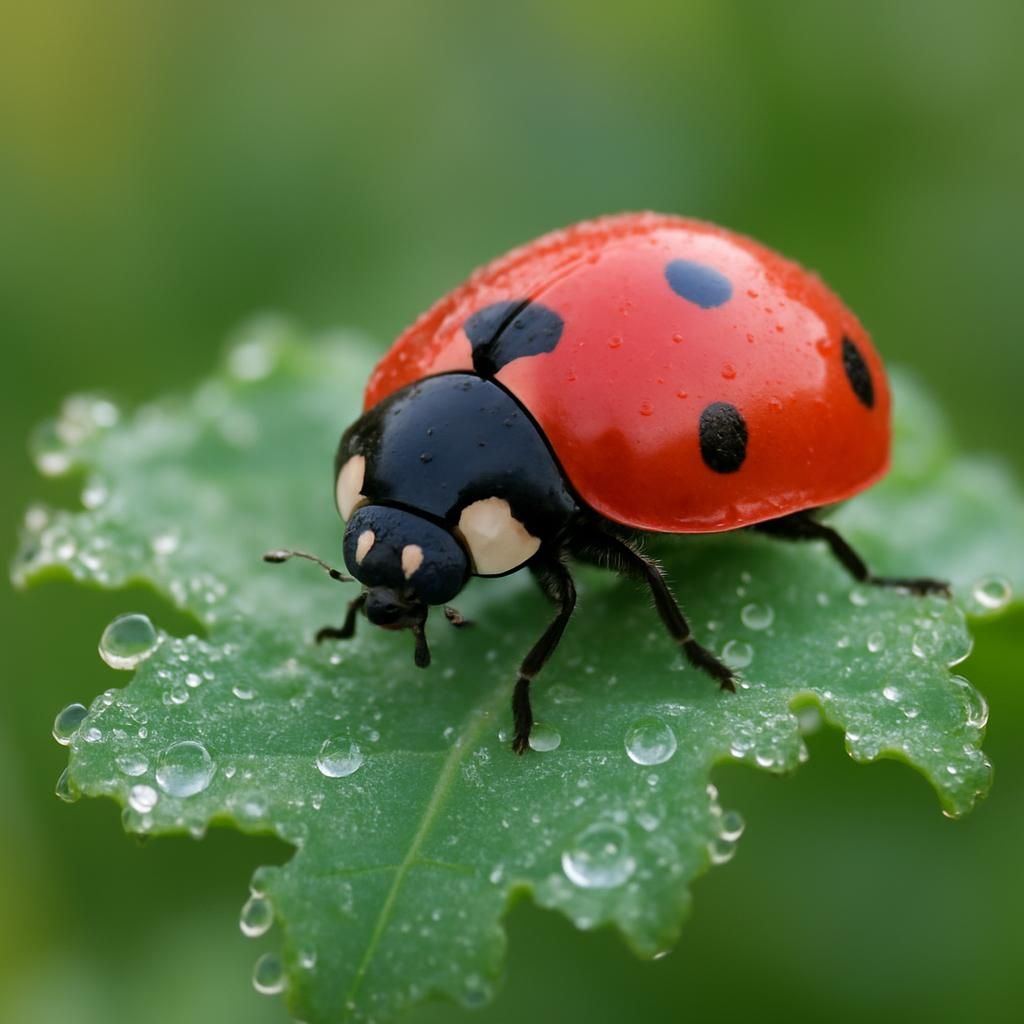
Blanket applications of insecticidal soap felt productive until the lady beetle population crashed. The following week brought a surge of secondary pests that the beneficials would have handled. Targeted spot treatments on only the affected plants preserved the natural balance that keeps populations in check.
Forgetting Soil Health Connections
Weak transplants from compacted, low-organic-matter beds suffered far worse than neighboring rows that received a light compost top-dress. Healthy root systems recover faster from feeding damage and resist disease that often follows pest stress.
Missing the Harvest Window
Waiting too long to remove heavily infested plants allowed pests to migrate to the next succession. Cutting losses early and replanting quick-maturing varieties kept the beds productive instead of letting damage spread.
Building a Repeatable System
| Week | Action | Tool | Notes |
|---|---|---|---|
| 1 | Scout all overwintered crops | Hand lens, notebook | Record egg clusters and early chew marks |
| 2 | Spot-treat only where needed | Insecticidal soap, water | Avoid broad spraying |
| 3 | Introduce beneficials if counts rise | Purchased lacewing eggs | Time release with evening temps above 55°F |
| 4 | Remove heavily damaged plants | Pruners, bucket | Compost off-site if infestation is severe |
| 5 | Re-scout and adjust plan | Same notebook | Compare to previous week's notes |
The pattern that finally worked was simple: observe first, intervene only when thresholds are crossed, and keep soil biology strong so plants can withstand the occasional hit. These steps turned a frustrating cycle into a manageable routine that protects yields without constant intervention.
For authoritative guidance on integrated pest management principles, the FAO provides detailed organic-compatible strategies suitable for small-scale operations.