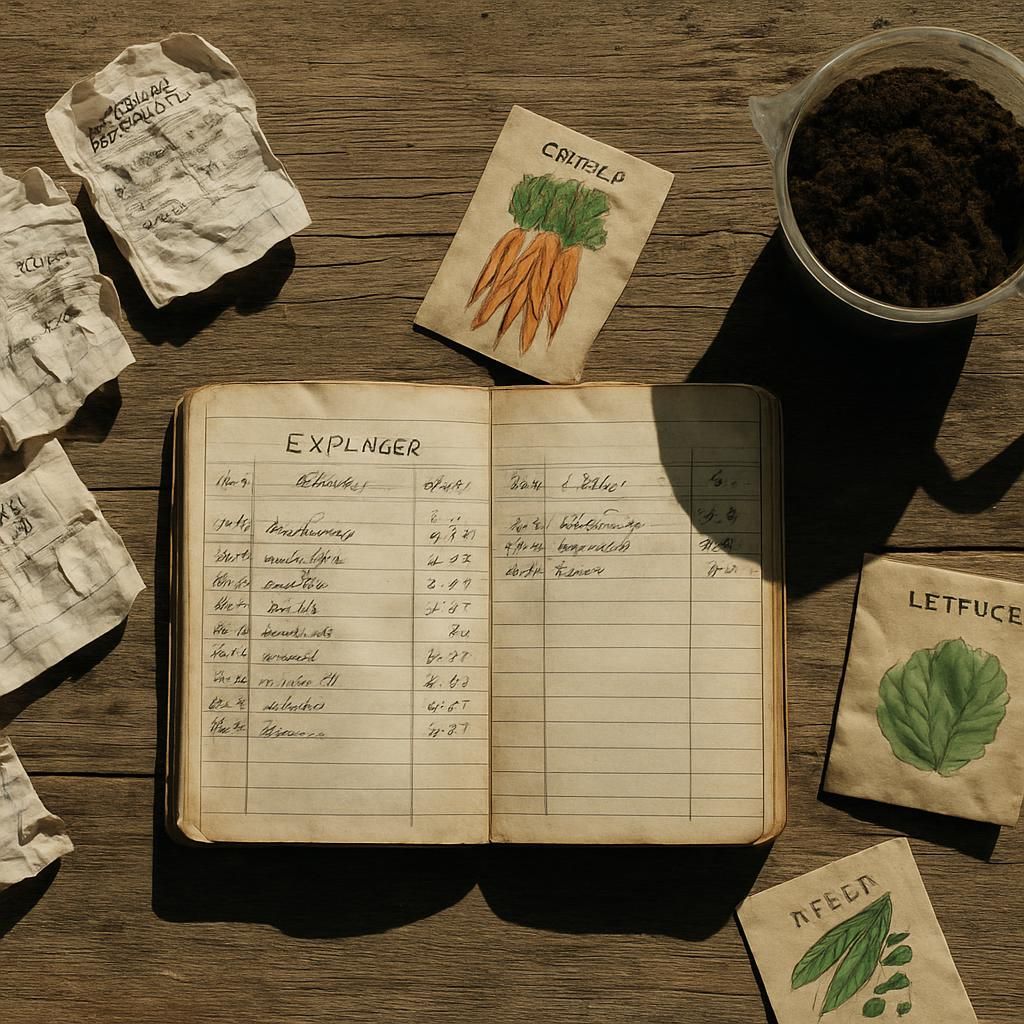
Most growers assume their fertilizer budget is under control until they actually write down every purchase and application for four months straight. The numbers that came back were brutal: repeated purchases of the same amendments, overlapping applications that canceled each other out, and almost no tracking of which beds actually responded.
The Real Cost of Repeating the Same Mistakes
The first pattern that emerged was buying the same bags of compost and fish emulsion every three weeks without checking what was already in the soil. Over four months this added up to spending nearly twice what the beds needed because there was no running list of what had already been applied.
A simple spreadsheet that logged date, product, cost, and zone quickly showed that two of the four zones were receiving double the recommended nitrogen while the third zone stayed deficient. The money was not disappearing; it was being applied in the wrong places.
Building a Zone-by-Zone Spending Log
Instead of guessing, the next step was to assign every purchase to a physical area. The backyard beds, the north fence line, and the greenhouse each got their own column. After 120 days the data showed the greenhouse was consuming 38 percent of the total fertilizer budget while producing only 22 percent of the harvest value.
| Zone | Total Spent | Main Inputs | Harvest Value | ROI Rank |
|---|---|---|---|---|
| Greenhouse | $184 | Fish emulsion, compost tea | $312 | 3 |
| North Fence | $97 | Compost, bone meal | $241 | 1 |
| Backyard Beds | $143 | Blood meal, seaweed | $198 | 2 |
That table made the next decision obvious: reduce greenhouse inputs and shift the saved money to the north fence line where the return was highest.
Using Microclimate Records to Time Purchases
Weather records kept on the same spreadsheet revealed that heavy rain events were washing away nitrogen within 48 hours of application in two zones. Buying smaller quantities more often and applying right after rain stopped saved both money and nutrients.
The microclimates of each zone turned out to be more important than the calendar date printed on the seed packet.
Cutting the Overlap Without Cutting Yield
Once purchases were logged by zone and date, duplicate applications became obvious. The same seaweed extract was being added to the greenhouse on Monday and again on Thursday because two different people were managing the beds. Merging the schedule into one shared list cut that product use by almost half with no drop in plant health.
The One External Resource Worth Checking
Before ordering any new amendment it helps to verify the actual nutrient values rather than relying on marketing labels. The FAO soil portal gives free, science-based data on common organic inputs that matches what the spreadsheet was already showing.
Turning the Log Into a Simple Decision Tool
After 120 days the spreadsheet became the single reference before any new purchase. If a product had already been applied to a zone within the last 30 days, the default answer became "wait and observe." That single rule stopped the largest source of wasted spending.
The same log also highlighted which crops were truly profitable once all input costs were assigned. Basil and kale stayed in the rotation; several leafy greens that looked productive on the surface were quietly losing money once fertilizer, water, and labor were counted.
Keeping the System Light Enough to Maintain
The entire process stayed on one shared spreadsheet and a phone camera for receipts. No extra hardware or subscriptions were added. The only ongoing requirement is entering each purchase the same day it happens so the numbers stay honest.
Four months of data replaced months of guesswork. The fertilizer budget dropped, the zones that were previously underfed started producing, and the overall farm margin improved without buying a single new tool.