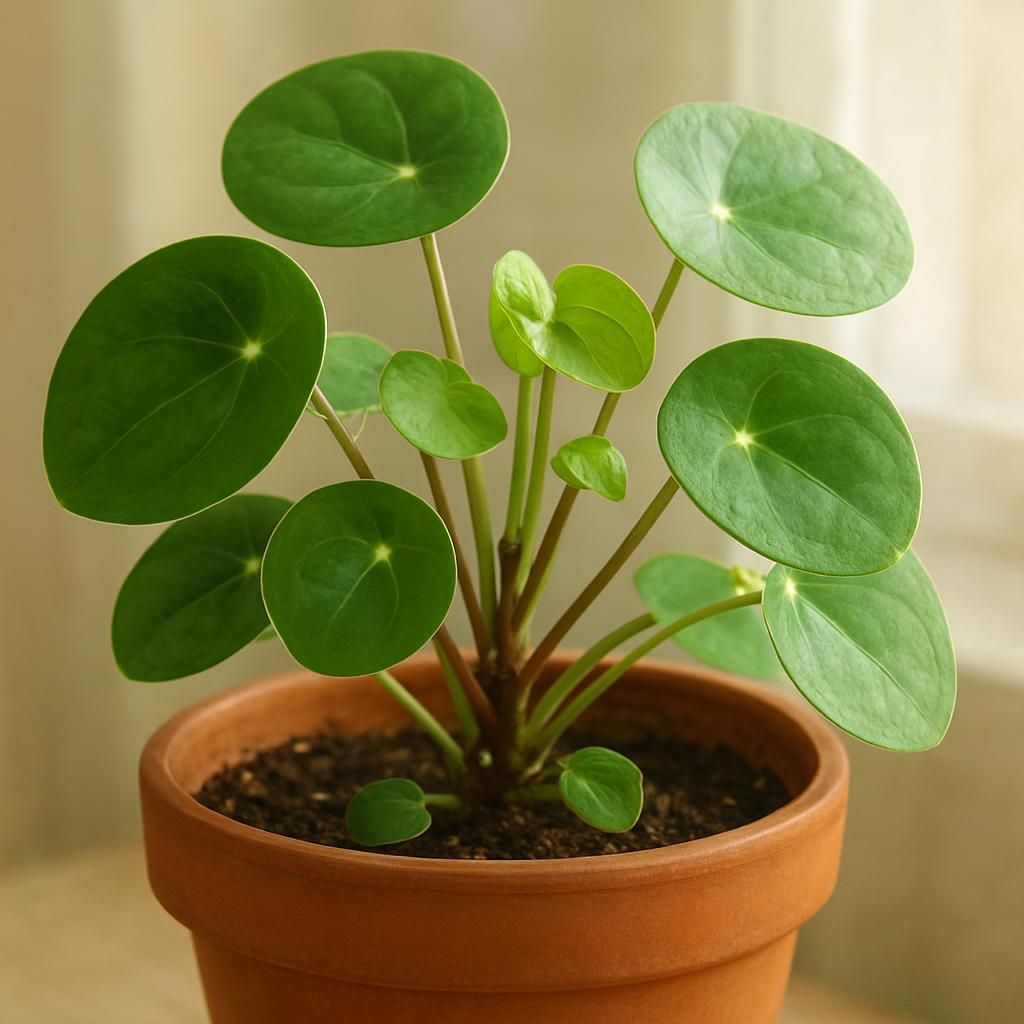
Introduction
Many houseplant enthusiasts encounter the distressing sight of a once-vibrant Pilea suddenly dropping healthy leaves or showing signs of decline. This common issue often stems from environmental imbalances rather than irreversible disease, leaving owners wondering how to restore their plant to its former lush state. Understanding the underlying causes and applying targeted organic interventions can bring most Pilea plants back to health within weeks. This guide provides a systematic approach to revival while emphasizing sustainable practices that support long-term vitality.
Common Causes
Leaf drop in Pilea plants typically results from a handful of cultural factors. Overwatering ranks as the leading culprit, causing root oxygen deprivation and subsequent yellowing or dropping of lower leaves. Underwatering produces similar symptoms but with dry, crispy edges. Insufficient light leads to leggy growth and leaf shed as the plant conserves energy, while sudden temperature fluctuations or drafts trigger stress responses.
Nutrient imbalances, particularly excess salts from synthetic fertilizers, can burn roots and prompt leaf loss. Pests such as spider mites or mealybugs may also contribute by weakening the plant. Environmental stressors like low humidity or poor air circulation often compound these problems, especially in indoor settings.
| Cause | Typical Symptoms | Quick Diagnostic Test |
|---|---|---|
| Overwatering | Yellow lower leaves, soggy soil | Finger test: soil wet 2 inches deep |
| Underwatering | Crispy edges, wilting | Soil pulls away from pot edges |
| Low Light | Leggy stems, pale foliage | Measure: less than 6 hours bright indirect light |
| Temperature Stress | Sudden leaf drop | Check for drafts below 60°F or above 80°F |
| Nutrient Excess | Brown leaf tips, white crust on soil | Flush test: salts visible on surface |
Step-by-Step Organic Solutions
Begin revival by assessing the root zone. Gently remove the plant from its pot and inspect roots for rot. Trim any black or mushy sections with sterilized shears, then repot into fresh, well-draining organic potting mix amended with perlite and coconut coir.
Adjust watering to a consistent schedule based on soil moisture. Water only when the top inch feels dry, using room-temperature rainwater or filtered water to avoid chemical buildup. For recovery, bottom-watering encourages deep root growth without surface saturation.
Increase light exposure gradually by relocating the plant to a spot receiving bright, indirect sunlight for 6-8 hours daily. Supplement with full-spectrum grow lights during winter months if natural light is limited.
Boost humidity organically by grouping plants together or placing the pot on a tray of moist pebbles. Avoid misting directly, as this can promote fungal issues; instead, maintain ambient humidity around 50-60%.
Apply diluted organic compost tea or worm castings tea every four weeks during active growth periods. These natural amendments restore soil biology without the risk of salt accumulation. Monitor progress weekly, removing any additional dropped leaves to prevent pest harborage.
Prevention Tips
Establish a routine care calendar tailored to seasonal changes. Repot every 12-18 months using fresh organic medium to refresh nutrients and prevent compaction. Rotate the plant quarterly for even growth and prune regularly to encourage bushiness.
Select pots with ample drainage holes and avoid saucers that collect standing water. Maintain stable indoor temperatures between 65-75°F and shield from heating vents or cold windows.
Inspect new plants thoroughly before introducing them to your collection to prevent pest introduction. Use yellow sticky traps as an early warning system and introduce beneficial insects like ladybugs when needed.
Keep a simple care journal noting watering dates, light observations, and any changes in leaf health. This record helps identify patterns before problems escalate. With consistent organic practices, most Pilea plants regain their characteristic coin-shaped foliage and remain resilient for years.